Precision Fused Quartz Components for Industrial Systems
Direct supply from Donghai's world-class quartz synthesis facilities to Plzeň mechanical OEMs, research laboratories, and thermal treatment facilities. Custom dimensions supported with a 1-piece minimum order quantity.
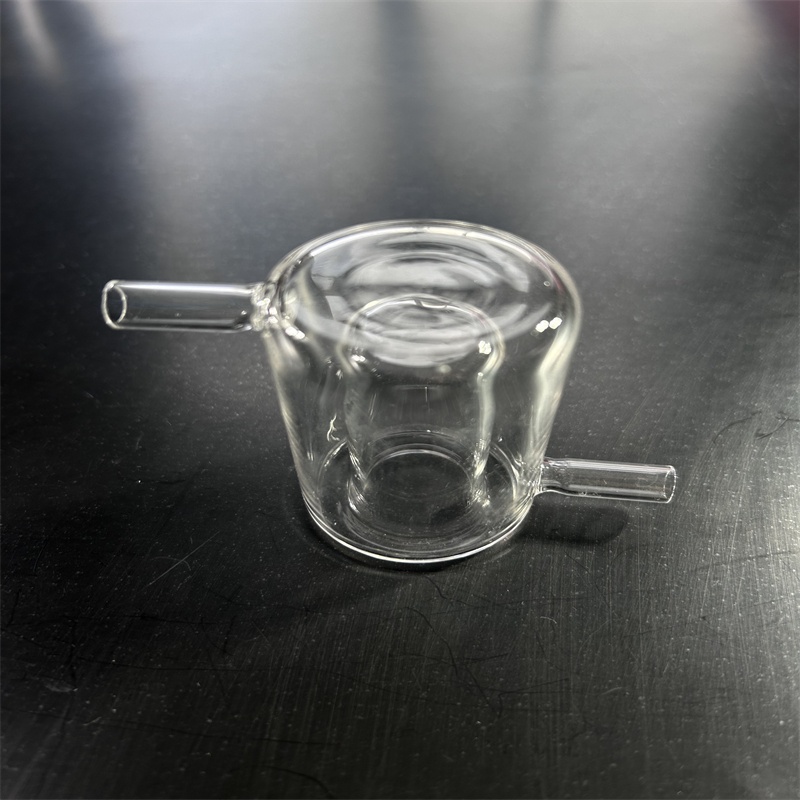
Custom 99.99% Ozone-Free Quartz Glass Reactor Twin Tube
View Specifications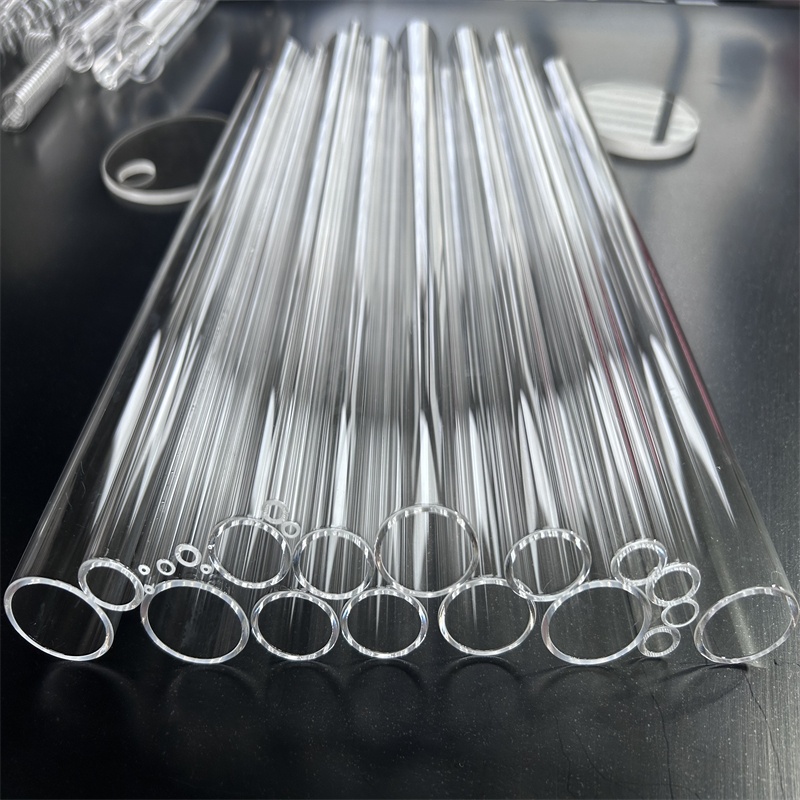
High Temperature Clear Fused Quartz Twin Tube Assembly
View Specifications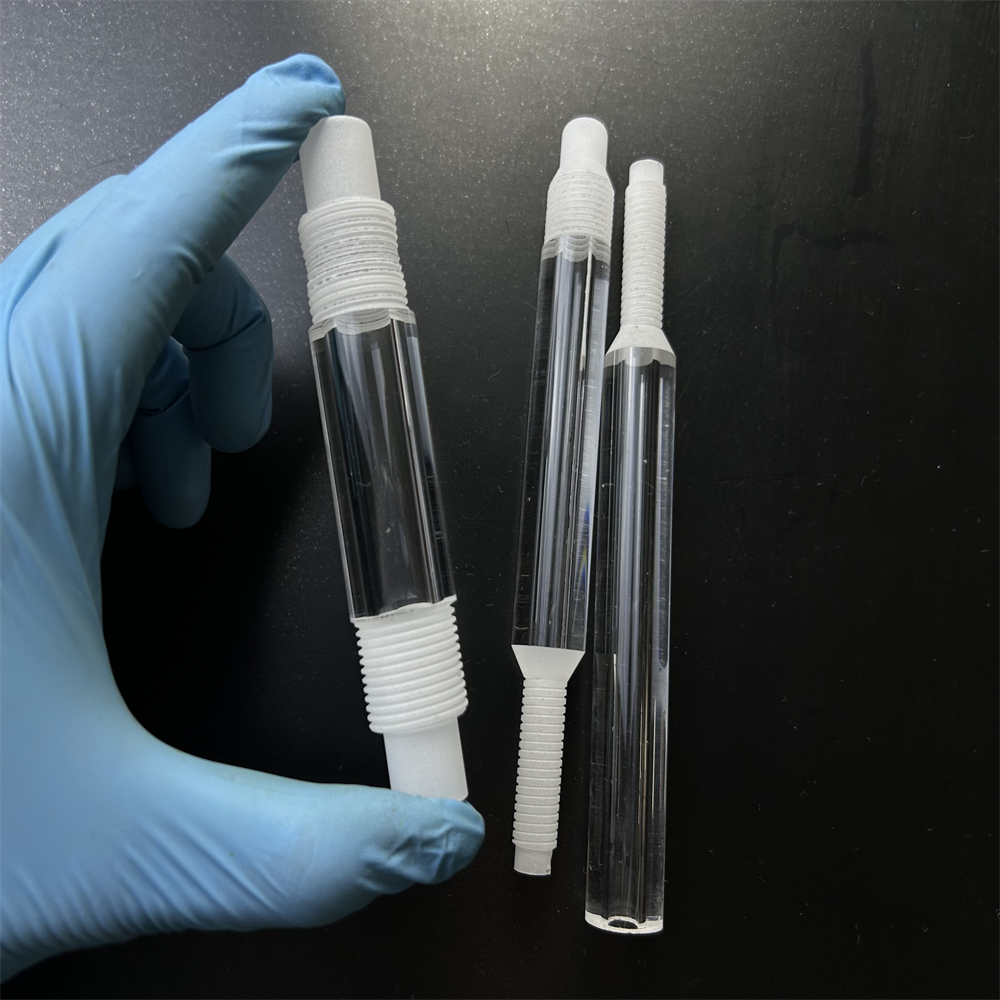
Customized High Purity Threaded Transparent UV Quartz Tube
View Specifications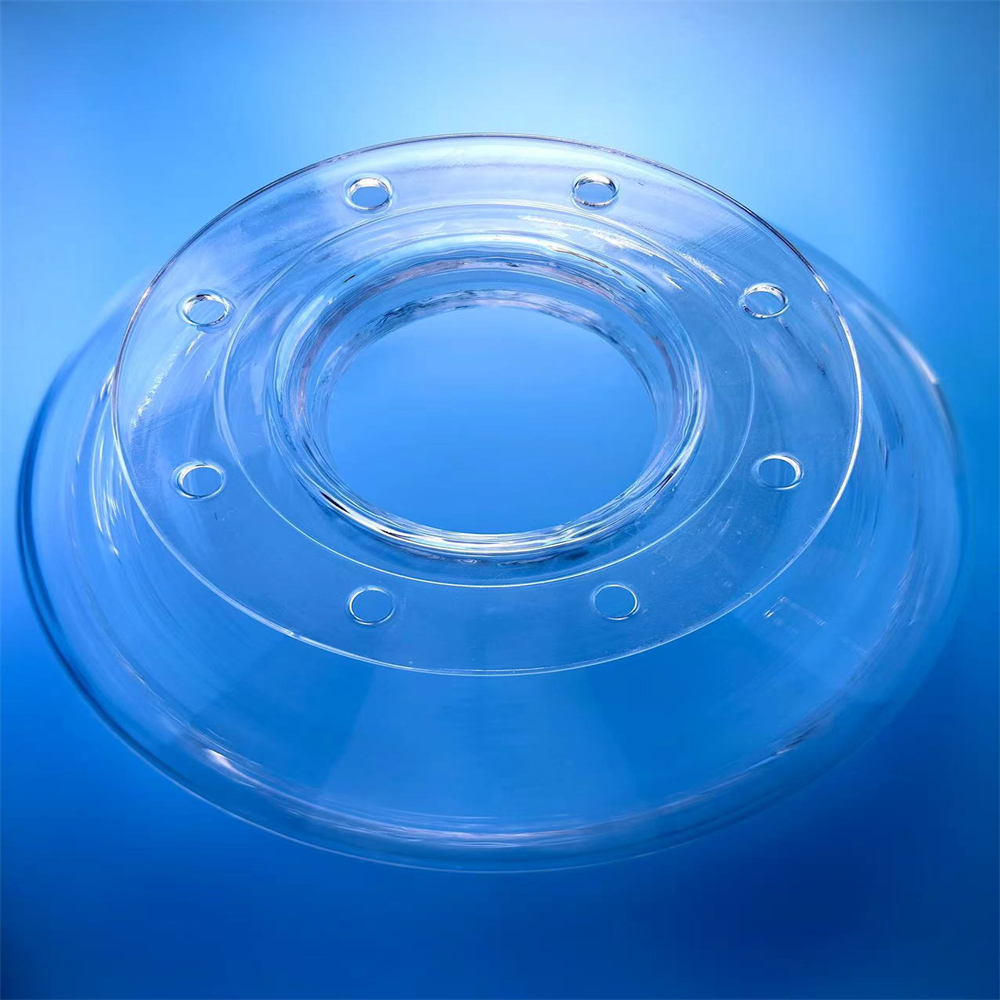
High Purity Quartz Tube with Polished Fused Silica Flange Ring
View Specifications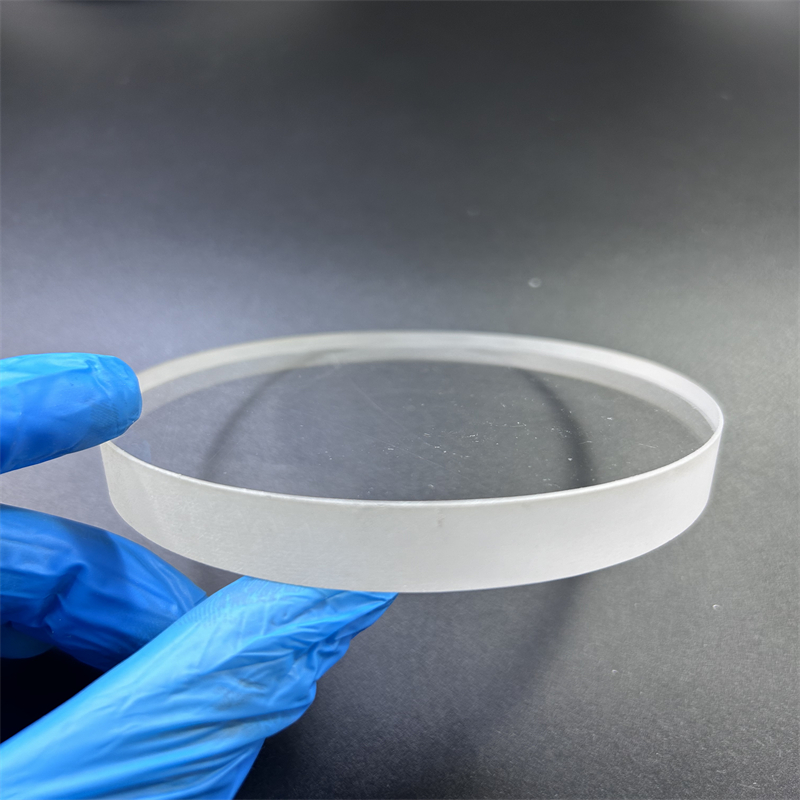
High Temperature UV Transparent Polished Quartz Plate & Disc
View Specifications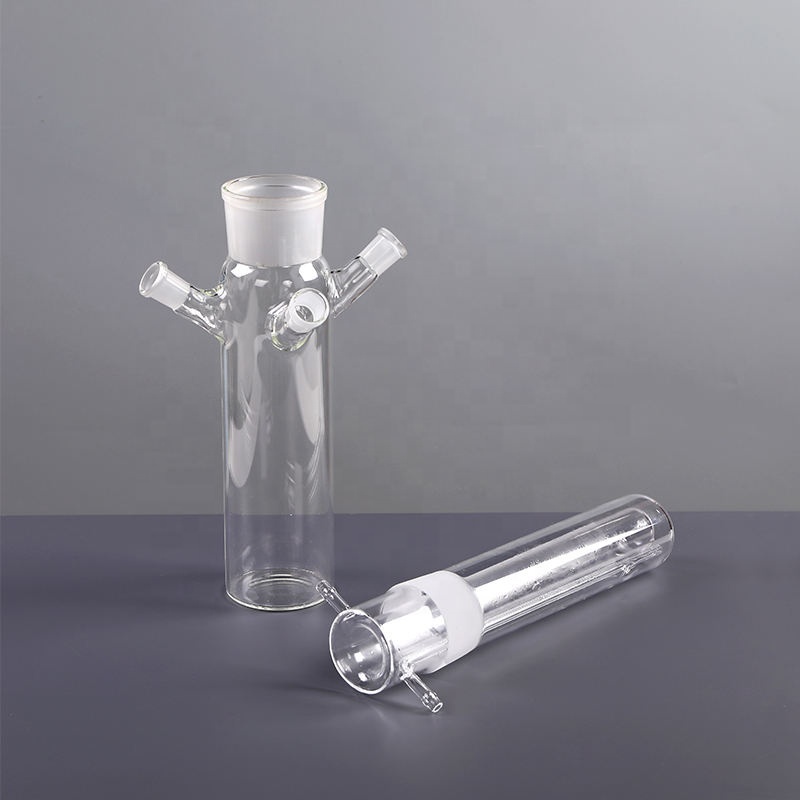
High-Purity Quartz Glass Internal Illumination Reactor Vessel
View Specifications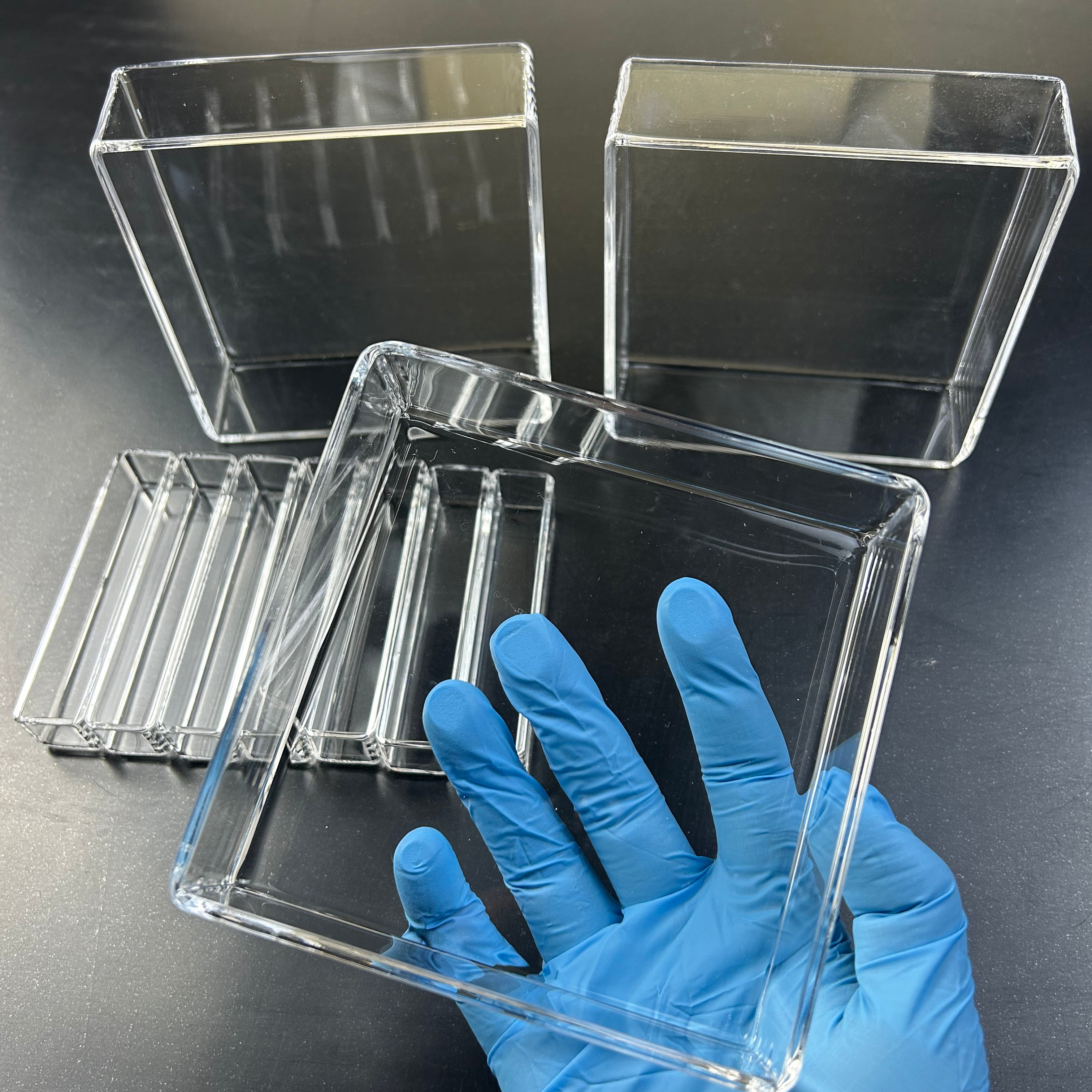
Fused Quartz Cylindrical Melting Crucible & Reaction Tank
View Specifications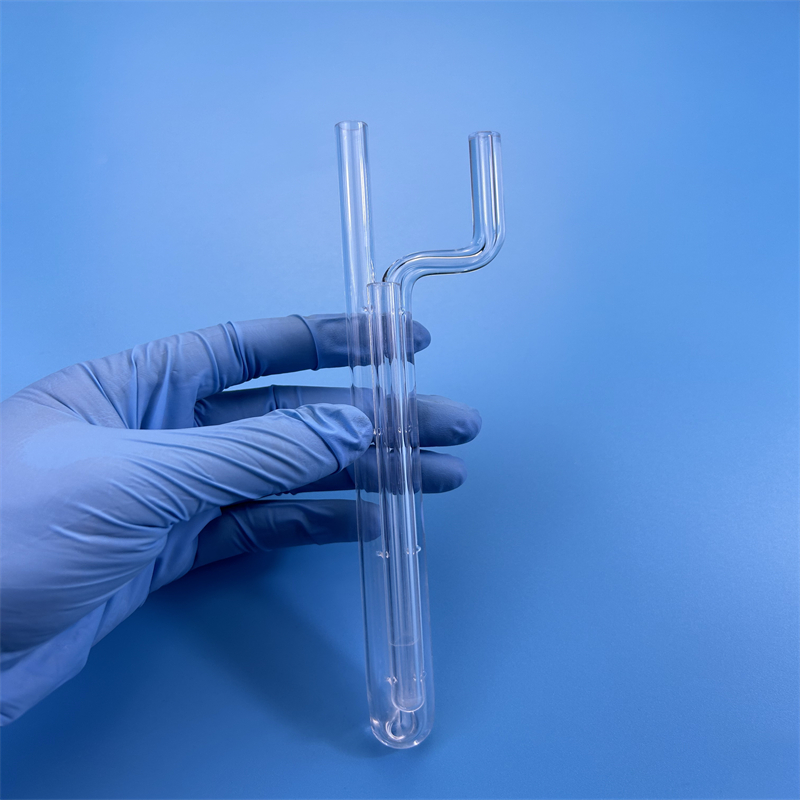
Chemisorption & BET Surface Area Analysis Twin Quartz Tube
View SpecificationsEngineering Grade Fused Quartz Plates: Metallurgy, Optics & Thermal Thresholds
Fused quartz plates (≥99.99% amorphous silicon dioxide) represent the premier material choice for mission-critical optical viewports, high-temperature furnace liners, and plasma etching enclosures where borosilicate, soda-lime, and sapphire glasses fail.
| Physical / Thermal Parameter | Standard Value | Engineering Significance |
|---|---|---|
| Silicon Dioxide Purity (SiO₂) | ≥ 99.99% (Optical: ≥ 99.999%) | Eliminates optical devitrification and trace ionic migration. |
| Density (ρ) | 2.20 ± 0.02 g/cm³ | High structural packing index with minimum molecular voids. |
| Continuous Working Temperature | 1100 °C | Exceeds borosilicate maximums by more than 600°C. |
| Short-Term Max Temperature | 1300 °C | Withstands extreme metallurgical flash heat and plasma spikes. |
| Annealing Point | 1215 °C | Enables complete stress relief after ultrasonic edge grinding. |
| Softening Point | 1683 °C | Maintains structural form under high-vacuum draw conditions. |
| Thermal Expansion (20°C - 320°C) | 5.5 × 10⁻⁷ K⁻¹ | Zero shatter risk when quenched directly in water from 1000°C. |
| Dielectric Constant (ε at 1 MHz) | 3.75 | Ultra-low RF loss for microwave and semiconductor chamber windows. |
| Surface Flatness & Roughness | λ/4 per 100mm; Ra < 0.5 nm | High-precision double-sided optical pitch polish capability. |
Purity & Optical Grade Classifications
We classify our precision-machined plates into three primary optical grades according to spectral transmission and hydroxyl radical content (OH⁻):
Engineering Applications in the Plzeň Regional Market
From the industrial heavy-machinery corridors of Borská Pole to high-tech energy turbine labs, fused quartz plates satisfy the most rigorous mechanical, thermal, and chemical operating requirements.
Heavy Machinery & Turbine Testing
Plzeň is world-renowned for power turbines and rail locomotives. Our high-pressure fused quartz sight glass discs are fitted to testbed combustion chambers and steam turbines, handling continuous internal temps of 1000°C without warping.
Optics & Advanced Laser Systems
Western Bohemia’s emerging photonics and CNC laser-cutting integration lines utilize our JGS1 UV-grade fused silica plates for debris shields, high-power beam splitters, and protective exit windows where thermal lensing must be zeroed.
Academic & Institute R&D (UWB / RICE)
Supporting research at the University of West Bohemia (ZČU) and RICE (Regional Innovation Centre for Electrical Engineering), our quartz plates serve as clean substrates for vacuum sputtering, BET adsorption setups, and micro-electrochemical chips.
Food, Beverage & Brewing Sterilization
In the historic brewing capital of Pilsen, modern sanitary fluid handling relies on quartz optical flow plates for in-line UV-C water purification and optical Brix/turbidity monitors unaffected by caustic clean-in-place (CIP) hot lye washdowns.
Fused Quartz Trends in West Bohemia & Central European Supply Chains
Analyzing key structural shifts shaping the demand for high-specification technical quartz in Plzeň and the broader Czech industrial ecosystem through 2026–2030.
Accelerated Transition to Green Hydrogen & Clean Energy
The Czech energy sector’s pivot toward decarbonization and next-generation nuclear modernization (including supply lines adjacent to Plzeň’s Škoda JS nuclear engineering base) drives steep demand for ultra-pure quartz reaction tubes, viewports, and sensor windows capable of resisting hydrogen embrittlement and high gamma-radiation dosages.
Modernization of Automotive & E-Mobility Manufacturing
Automotive tier-1 suppliers across the D5 corridor from Prague through Plzeň to Germany are expanding EV battery pack and inverter assembly. Laser welding protection plates and UV curing quartz shields with high optical thresholds (LIDT > 10 J/cm² at 1064 nm) are displacing traditional glass to minimize line downtime.
Direct-from-Source Factory Procurement Models
Czech engineering procurement directors are increasingly bypassing expensive European secondary distributors. By forming direct supply arrangements with vertically integrated manufacturers in Donghai, OEMs in Plzeň achieve 30–45% unit-cost reductions while retaining full 3.1 material test certificates and custom drawing fabrication.
Why International Industrial Buyers Choose Zelvo Quartz
Combining the mineral abundance of China's "Crystal Capital" with state-of-the-art precision CNC machining, laser processing, and ISO-standard metallurgical quality control.
99.99% SiO₂ Raw Mineral Origin
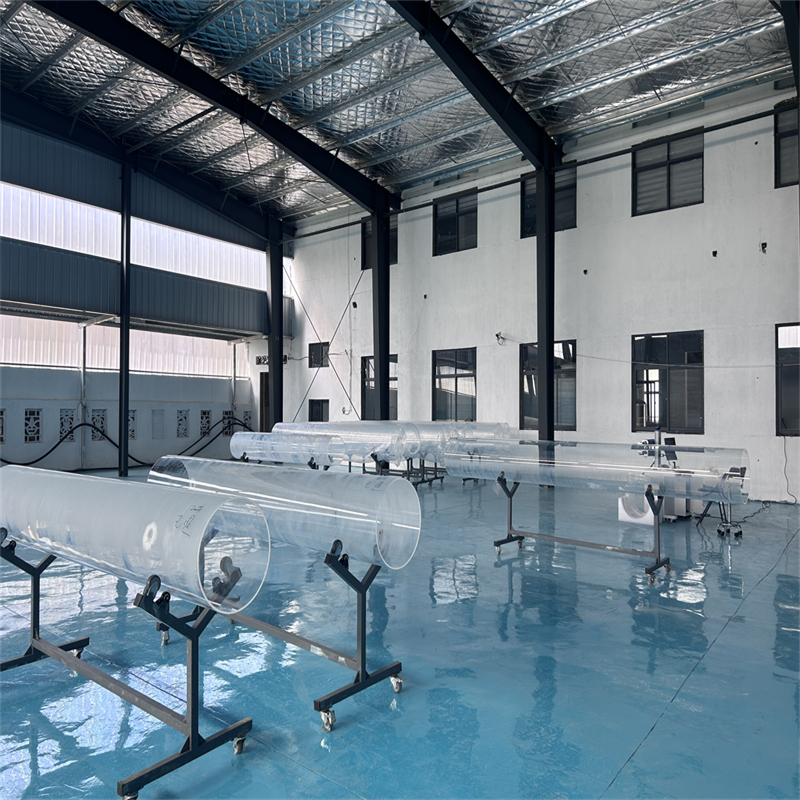
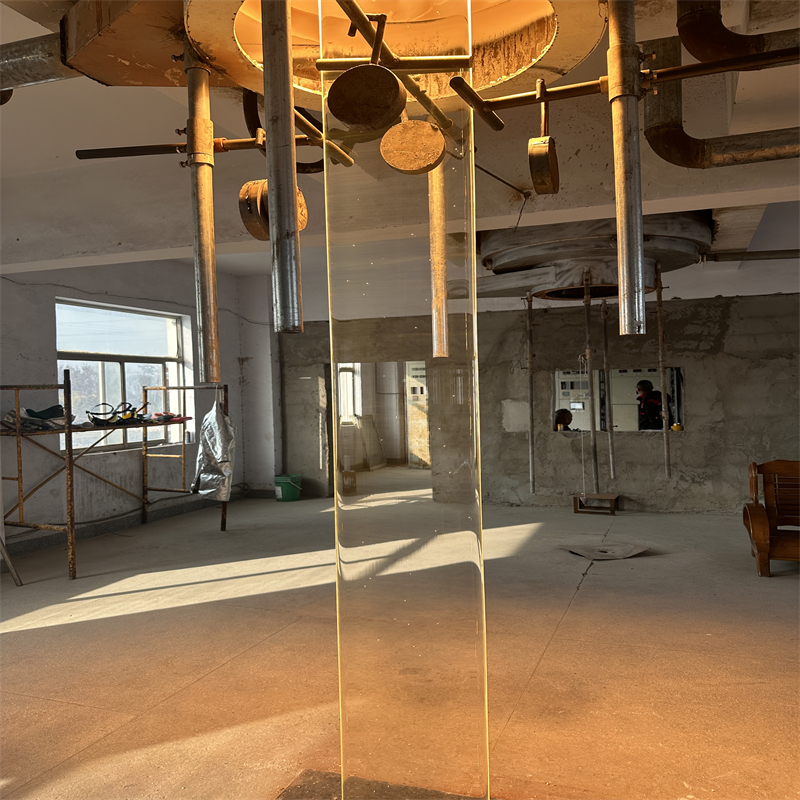
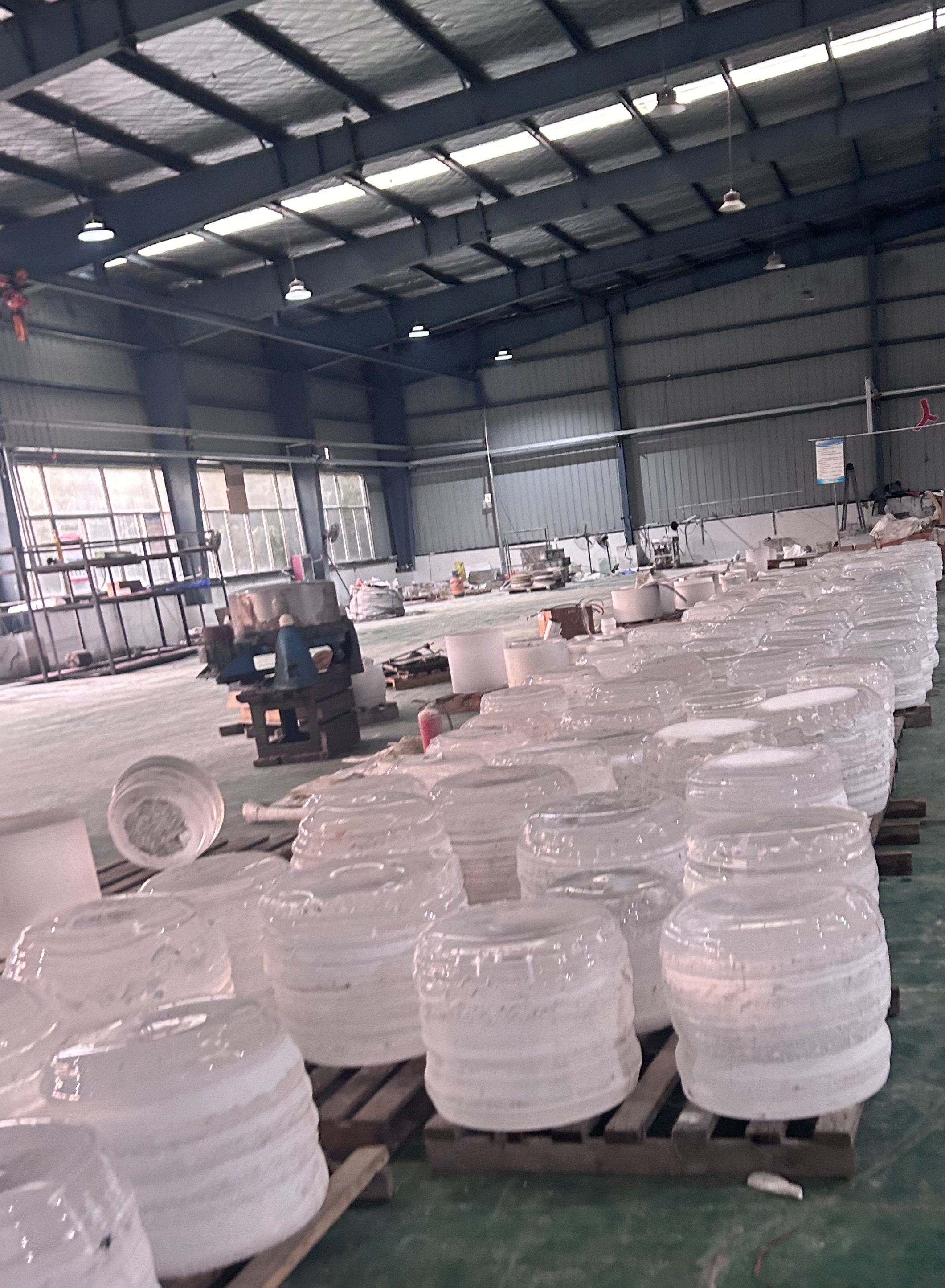
Located in Donghai County, Jiangsu, our plant draws directly from high-purity natural quartz vein deposits, ensuring homogeneous optical blanks free from striae and inclusions.
5-Axis CNC & Laser Fabrication
Equipped with laser drilling, waterjet profiled shaping, step grooving, bevel edge chamfering, and ultrasonic micro-machining with tolerances tight to ±0.05 mm.
≤2-Hour Technical Response
Our bilingual sales engineering staff reviews 2D/3D CAD drawings (STEP, DXF, PDF) within 2 hours, offering manufacturability feedback and transparent DDP/FOB quotes.
Breakage-Proof Air & Ocean Logistics
Multi-layered polyethylene vacuum shrink packs, engineered high-density foam molds, and heat-treated wooden crates guarantee zero breakage shipping to Plzeň / Czech Republic.
Frequently Asked Questions: Sourcing Fused Quartz Plates in Plzeň
Detailed technical, quality, and commercial insights for mechanical designers, plant engineers, and purchasing officers across the Czech Republic.
1. What is the fundamental difference between standard borosilicate glass and fused quartz plates?
Borosilicate glass (e.g., Borofloat 33) contains roughly 81% SiO₂ along with B₂O₃, Na₂O, and Al₂O₃, giving it a maximum short-term operating temperature around 500°C and a thermal expansion coefficient of 3.3 × 10⁻⁶/K. Fused quartz plate material consists of ≥99.99% pure amorphous silica.
This purity allows fused quartz to withstand continuous thermal exposure up to 1100°C (and intermittent spikes to 1300°C) without softening. Furthermore, fused quartz has a thermal expansion coefficient of only 5.5 × 10⁻⁷/K—roughly one-sixth that of borosilicate—making it virtually immune to thermal shock cracking even when splashed with cold water at glowing red heat.
2. How do you guarantee the surface quality and scratch-dig specifications for optical viewport applications?
All optical plates and sight discs undergo double-sided planetary pitch polishing or chemical mechanical polishing (CMP). For commercial viewport windows, our baseline specification is 60/40 scratch-dig per MIL-PRF-13830B.
For precision laser protection windows and spectroscopic plates used in research applications at institutions like the University of West Bohemia, we achieve 40/20 or 20/10 scratch-dig with transmitted wavefront distortion of λ/4 per 100mm and surface roughness Ra < 0.5 nm, verified via Zygo laser interferometry.
3. Can Zelvo Quartz supply plates certified to European pressure vessel standards (DIN 7080 / PED 2014/68/EU)?
Yes. For pressurized sight glasses installed on industrial boilers, autoclave tanks, and steam reaction chambers in Plzeň’s heavy machinery plants, we manufacture circular quartz discs in accordance with the dimensional, chamfer, and safety factor calculations outlined in DIN 7080.
Each batch can be delivered with EN 10204 3.1 inspection certificates documenting chemical assay (ICP-MS), hydrostatic burst pressure testing documentation, and polariscopic thermal stress evaluation.
4. What dimensional tolerances, step grooves, and hole configurations can be fabricated on custom drawings?
Our CNC machining centers routinely produce outer dimensions from 5 mm × 5 mm up to 1200 mm × 1000 mm, with thicknesses ranging from 0.5 mm to 60 mm. Standard dimensional tolerances are held to ±0.1 mm, with fine CNC milling capable of ±0.02 mm.
We provide ultrasonic drilling for through-holes, blind holes, countersunk screw seats, and edge step-down rebates for o-ring elastomer vacuum sealing. All edges are CNC chamfered (0.5 mm × 45° or ground pencil edge) to prevent micro-chipping and stress concentrations.
5. How does fused quartz perform when exposed to corrosive chemical environments in chemical processing?
Fused quartz is chemically inert to almost all inorganic and organic chemical compounds, including boiling concentrated sulfuric, nitric, and hydrochloric acids. It exhibits no water leaching or atmospheric hydration over extended service lifetimes.
The only known exceptions are hydrofluoric acid (HF), phosphoric acid at temperatures above 150°C, and concentrated alkaline solutions (e.g., hot NaOH or KOH at elevated temperatures), which slowly etch the silica network. For all other chemical diagnostic applications, quartz remains the supreme inert optical medium.
6. What is the typical lead time and logistics procedure for shipments delivering to the Plzeň region?
For custom prototype orders or small batches (1–20 pieces), production typically requires 5–10 business days following CAD drawing sign-off. High-priority air express shipping via DHL Express or FedEx takes approximately 4–6 business days direct to the customer's facility in Plzeň, Prague, or surrounding districts.
For large production batches of furnace observation plates or consumable quartz shields, consolidated air freight or sea freight to European ports (Hamburg/Rotterdam) with bonded road haulage directly into the Czech Republic is available under DDP, DAP, or CIF terms.
7. How do you mitigate the risk of in-transit breakage for delicate optical quartz plates?
We implement a strict 4-tier packaging protocol engineered specifically for brittle optical glassware. Each plate is individually cleaned, wrapped with static-free optical tissue paper, and vacuum-sealed in a poly bag to eliminate surface abrasion.
Plates are subsequently nested in custom-routed, shock-absorbing high-density polyethylene (EPE) foam compartments, which are placed inside heavy double-wall corrugated cartons and enclosed within an exterior fumigated wooden crate. Our historical breakage rate over the past three years is less than 0.15%.
8. Can you supply anti-reflective (AR) or metallic optical coatings on fused quartz plates?
Yes. In addition to bare polished quartz substrates, we offer thin-film vacuum dielectric coatings. Popular coatings for Czech industrial clients include broad-band anti-reflective (BBAR) coatings covering the visible spectrum (400–700 nm, R < 0.5%), single-wavelength laser AR at 1064 nm or 532 nm, and metallic gold or aluminum high-reflection coatings for infrared laser folding mirrors.
9. What is the minimum order quantity (MOQ) for non-standard geometric dimensions or prototype testing?
Our minimum order quantity for custom machined quartz plates, drilled discs, and special shapes is just 1 piece. This accommodates R&D engineering trials, doctoral university research, and low-volume specialized industrial machine builds without forcing clients to purchase unwanted production volume.
10. Which international commercial payment terms and foreign currencies does Zelvo Quartz accommodate?
We support standard international business transactions under Incoterms 2020 rules (FOB, CIF, CFR, EXW, CIP, DDP, DAP). Accepted payment currencies include EUR (Euro), USD (US Dollar), CZK (via EUR equivalent wire), and GBP.
Payment methods include Telegraphic Transfer (T/T), confirmed irrevocable Letters of Credit (L/C at sight for volume contracts), PayPal, and major credit cards for expedited prototype sample orders.