Engineered Fused Quartz Labware & Reaction Components
Directly manufactured from 99.99% high-purity SiO₂ crystals. Custom cut, laser-drilled, and fused to meet ASTM E969, ISO 3819, and rigorous semiconductor-grade analytical standards.
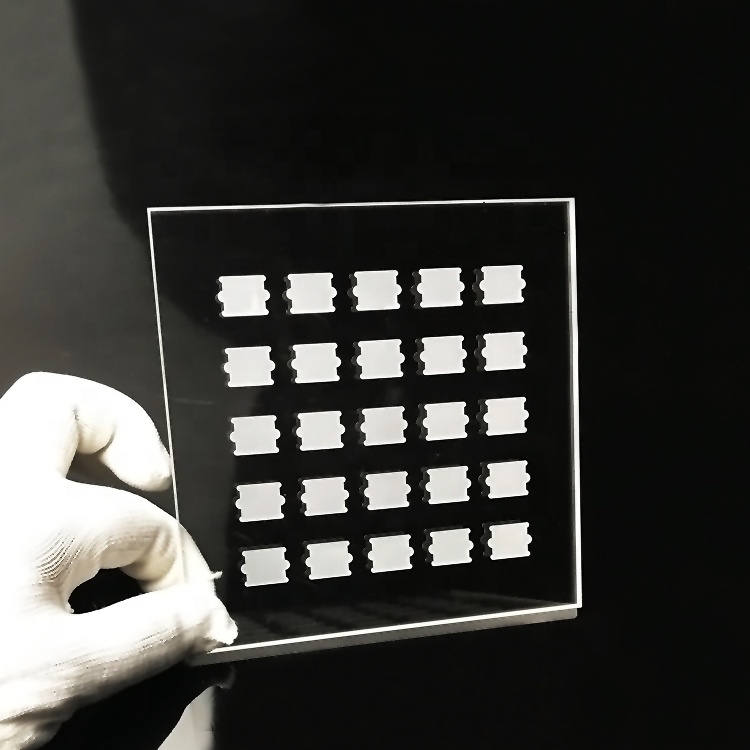
Factory Custom Fused Quartz Glass Circular High Quality XRD Sample Holder
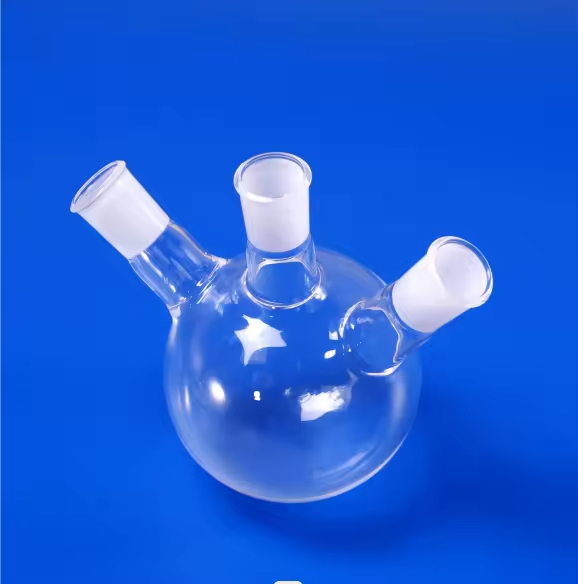
High Temperature Resistance Transparent Quartz Glass Twin Tube Bottom Flask
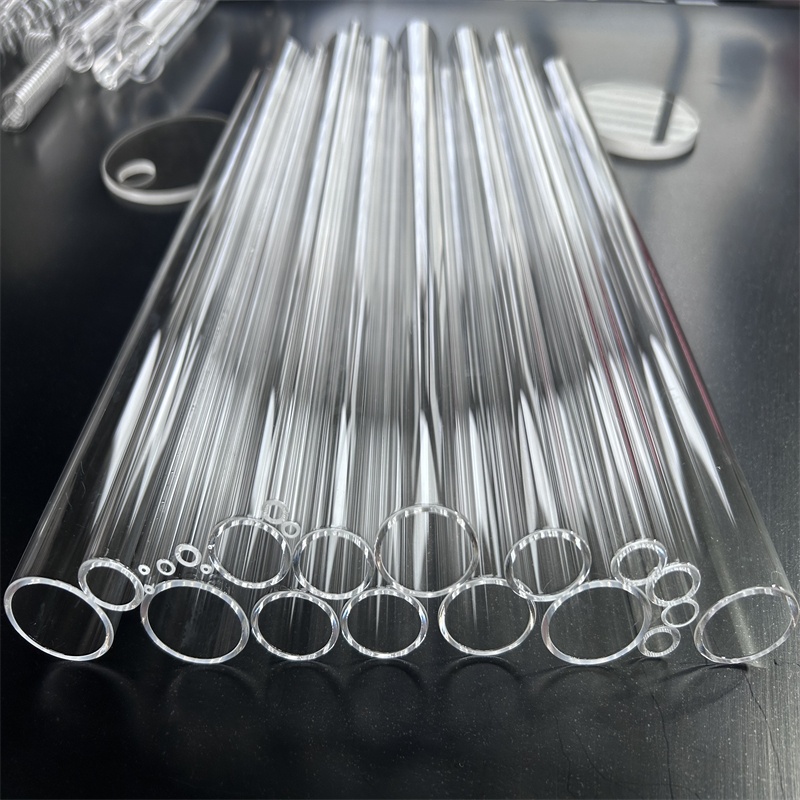
Clear 99.99% Pure Fused Quartz Twin Tube with Ozone-Free Welding
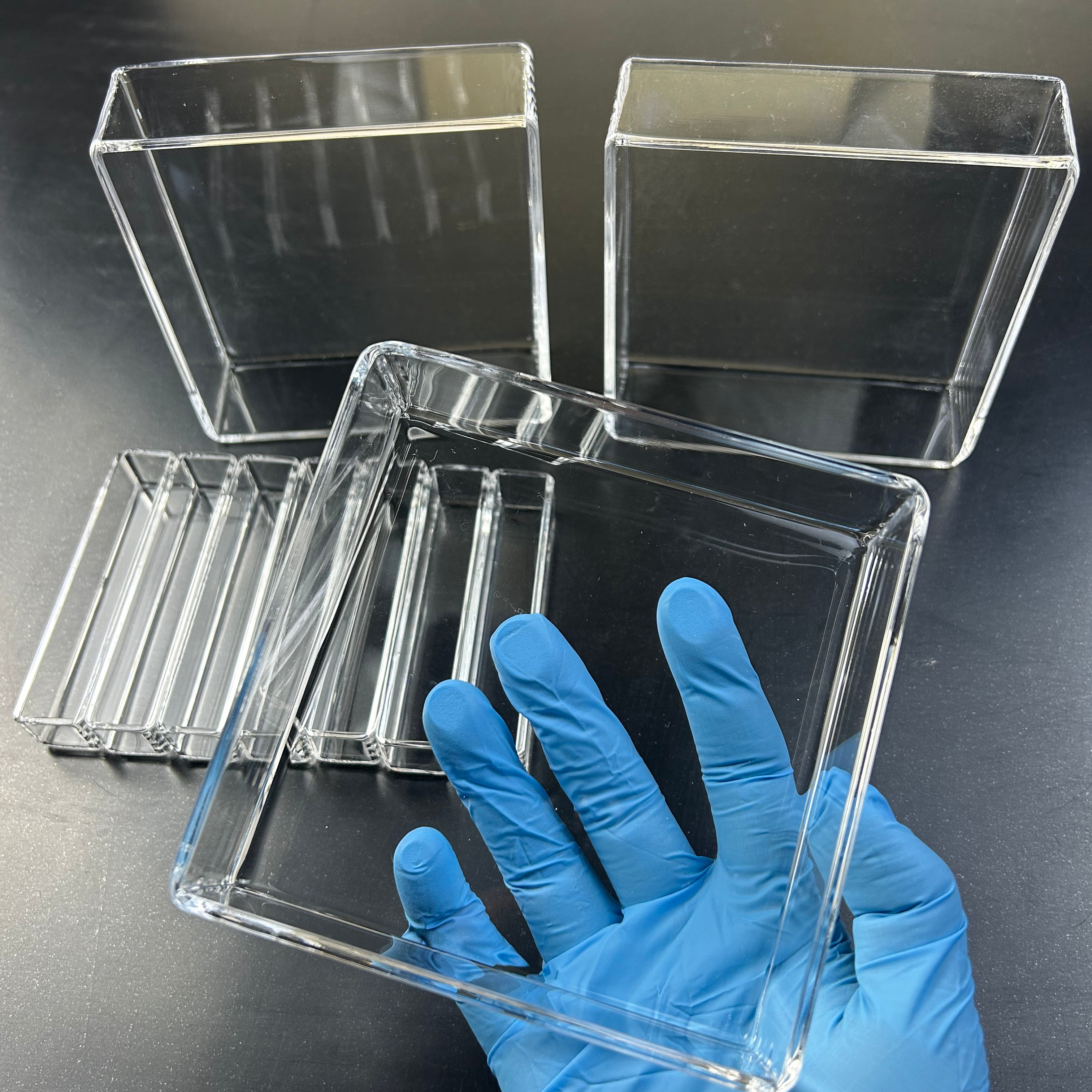
Customized Fused Quartz Glass Circular Cylinder Crucible Tank
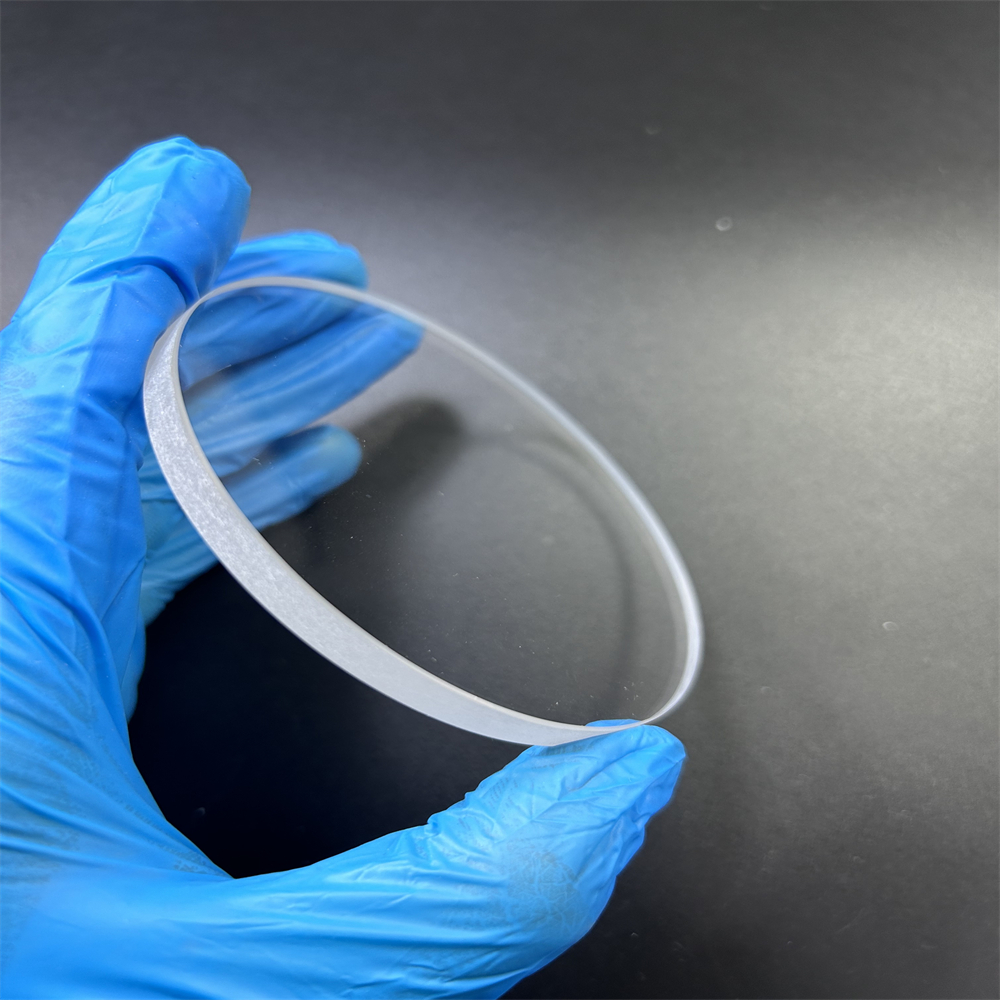
High Pressure Fused Silica Quartz Glass Wafer Transparent UV Sheet
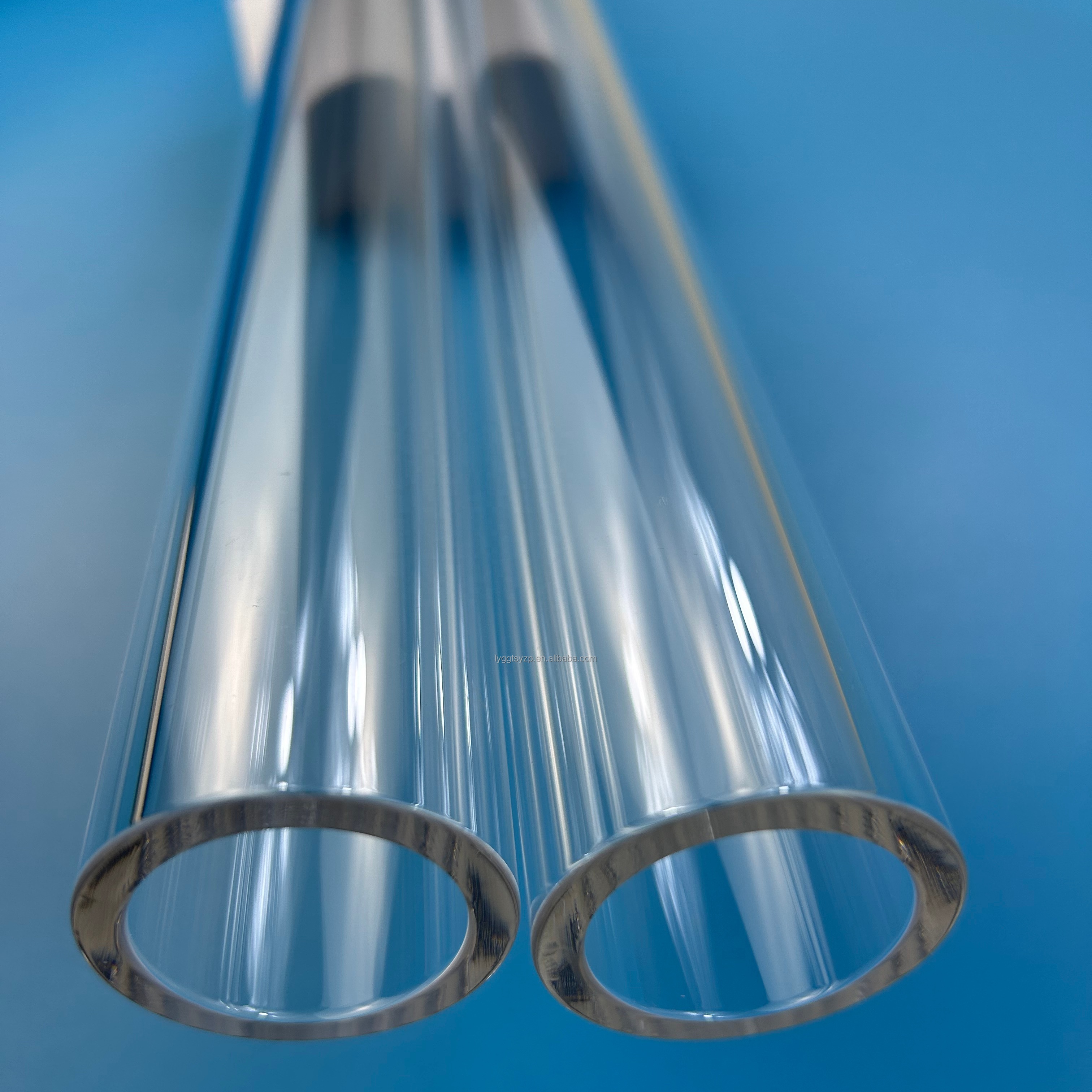
Polished Clear Quartz Twin Tube for Semiconductor Furnace Heaters
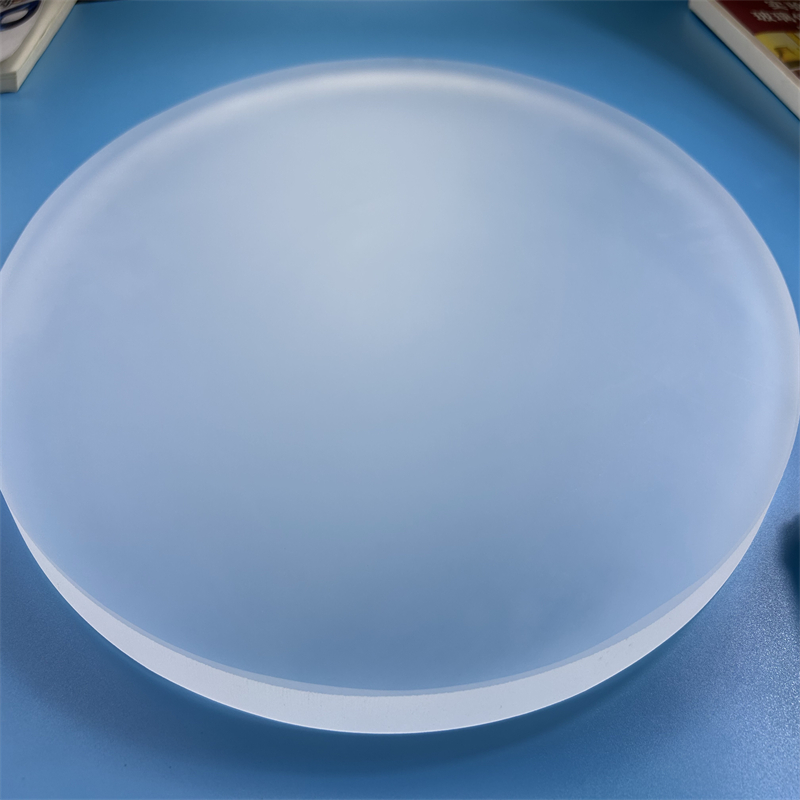
High Temperature Resistance Frosted Quartz Disc / Substrate Plate
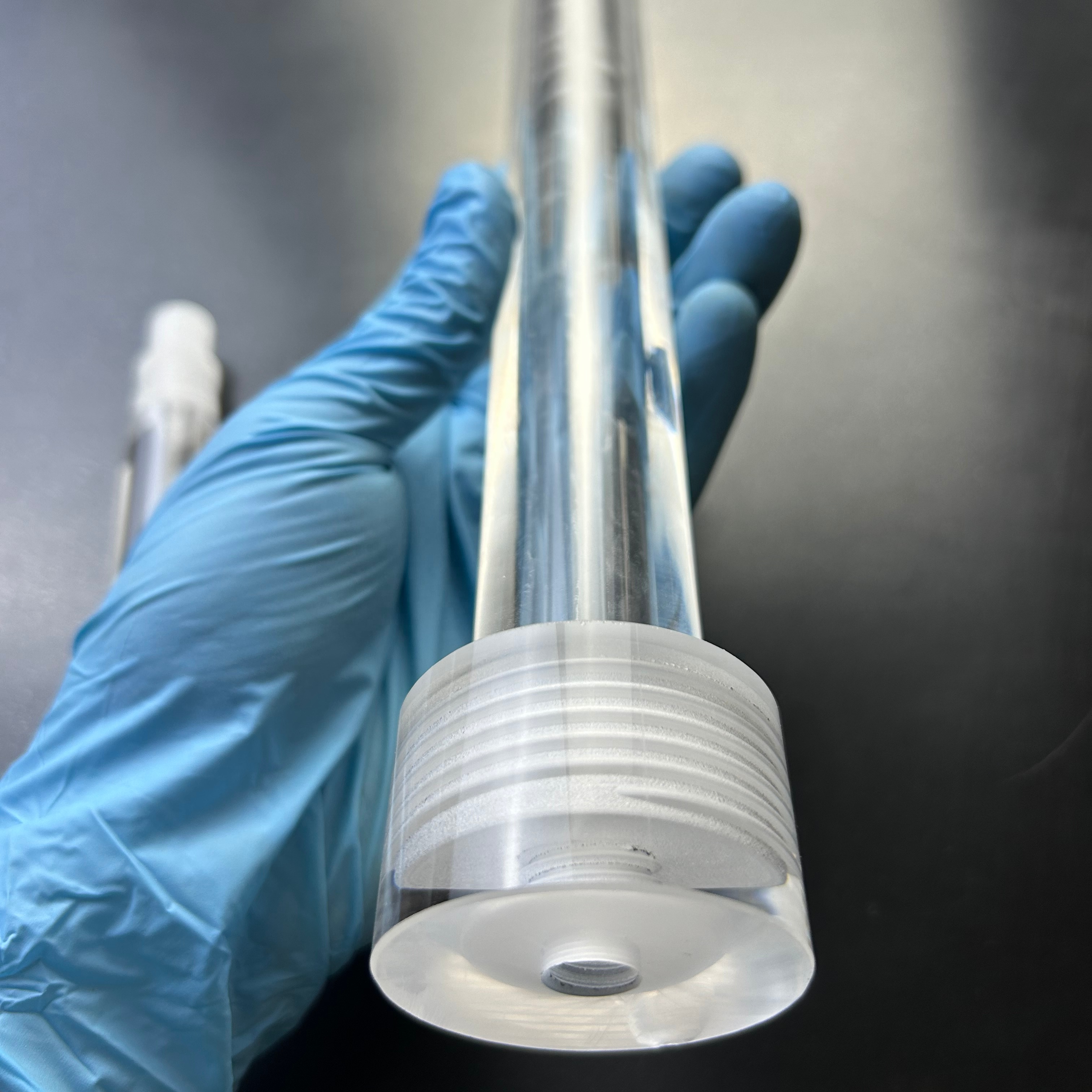
High Pressure Polished Clear Transparent 99.99% Pure Quartz Twin Tube
Technical Whitepaper: Fused Quartz vs. Standard Borosilicate 3.3 in Modern Kuala Lumpur Laboratories
Analytical laboratories and high-temperature processing facilities across Kuala Lumpur and the broader Klang Valley corridor face demanding thermodynamic and chemical challenges. Standard Borosilicate 3.3 laboratory glassware—while adequate for rudimentary aqueous heating and standard volumetric tasks—consistently fails under sustained temperatures above 500°C, extreme thermal differentials, and ultra-trace acid digestion procedures. A laboratory quartz glass beaker manufactured from 99.99% silicon dioxide (SiO₂) provides a completely different material performance envelope.
Fused quartz possesses an exceptionally low coefficient of thermal expansion (α = 5.5 × 10⁻⁷ /K between 20°C and 1000°C), which is roughly one-fifth that of premium borosilicate glass. This gives the material near-immunity to thermal shock. A red-hot quartz beaker heated to 1100°C can be submerged immediately into ice water without mechanical failure or microscopic micro-fracturing. In contrast, standard laboratory glassware shatters under temperature gradients exceeding 150°C.
| Physical & Chemical Metric | Standard Borosilicate 3.3 Glass | High Purity Fused Quartz (Zelvo Standard) | Engineering Advantage |
|---|---|---|---|
| Silica Purity (SiO₂ Content) | ~ 81% | ≥ 99.99% | Eliminates analyte contamination & secondary fluxing |
| Continuous Operating Temperature | 450 °C – 500 °C | 1100 °C – 1150 °C | Enables direct open-flame & muffle furnace digestions |
| Short-Term Thermal Peak | 520 °C | 1300 °C | Prevents structural deformation during exothermic reactions |
| Thermal Expansion Coefficient | 3.3 × 10⁻⁶ /K | 5.5 × 10⁻⁷ /K | Zero shatter under instantaneous thermal quenching |
| Softening Point | 820 °C | 1683 °C | High structural rigidity under prolonged pyrolytic processes |
| Optical UV Transmission (λ = 254 nm) | < 5% (Opaque to Shortwave UV) | ≥ 88% (Optical / UV Grade) | Facilitates photochemical synthesis and UV monitoring |
| Corrosion Resistance to Aqua Regia | Moderate surface leaching | Impervious (Zero detectable mass loss) | Ideal for precious metal assays and geological digestion |
Chemical inertness is another critical differentiator. Zelvo's quartz beakers withstand continuous exposure to concentrated boiling nitric acid (HNO₃), hydrochloric acid (HCl), sulfuric acid (H₂SO₄), and aqua regia. The only chemical compounds capable of attacking fused quartz at room or elevated temperatures are hydrofluoric acid (HF) and hot concentrated phosphoric acid (H₃PO₄ > 150°C). For all other mineral acids, organic solvents, and petrochemical fractions, quartz remains entirely inert.
Serving Key Industries Across Kuala Lumpur & Klang Valley
From academic research in Petaling Jaya to advanced semiconductor assembly in Shah Alam, custom quartz vessels are integral to Malaysia's technological advancement.
Semiconductor & Electronics Hubs
Clusters in Subang Hi-Tech, Shah Alam, and Cyberjaya require high-purity quartz beakers for wet chemical etching, silicon wafer stripping with piranha solution (H₂SO₄ + H₂O₂), and wafer cleaning. Standard glass is banned in these cleanrooms to prevent ionic sodium/potassium contamination.
Oleochemical & Palm Oil Refining
Malaysia's world-leading palm oil downstream sector (MPOB research standards, refineries in Port Klang and Banting) utilizes heavy-wall quartz beakers for fatty acid distillation, high-temperature thermal stability trials, and transesterification catalytic research that melts standard labware.
Universities & National Institutes
Institutions including Universiti Malaya (UM), Universiti Kebangsaan Malaysia (UKM), Universiti Putra Malaysia (UPM), and SIRIM QAS rely on custom-blown quartz reaction beakers, slotted XRD boats, and digestion vessels for cutting-edge materials science and nanotechnology dissertations.
Strategic Trends in Kuala Lumpur Laboratory Glassware Procurement
Procurement managers and principal investigators across Klang Valley are shifting away from traditional tiered distribution models. Historically, research departments in Malaysia procured quartz laboratory items via third-party chemical supply distributors in Kuala Lumpur, enduring 6 to 10-week backorders, standard catalog limitations, and 40% to 75% reseller markups.
Today, three primary structural trends define laboratory purchasing in Kuala Lumpur:
- Direct Engineering Engagement with Primary Fabricators: Lab managers now collaborate directly with factory engineers (such as Zelvo Quartz) to specify custom wall thicknesses, reinforced rims, custom spout angles, and laser-etched permanent volume graduations tailored to specific glove-box setups or heating mantles.
- Replacement of Pt (Platinum) Crucibles with High-Purity Fused Quartz: In mineral exploration and soil sample testing across Peninsular Malaysia, quartz beakers provide a cost-effective alternative to precious metal crucibles for high-temperature acid fuming at a fraction of the capital investment.
- Just-in-Time Air Logistics to KLIA: With rapid customs clearance through the Royal Malaysian Customs Department at Kuala Lumpur International Airport (KUL) and Northport/Westport (Port Klang), direct-from-source orders arrive in Selangor and KL within 5 to 7 business days, faster than many regional stockists can deliver backordered catalog items.
Zelvo Quartz: Direct Manufacturer Advantages
Rooted in Donghai—the world's capital of natural quartz—we provide unmatched material purity, master glassblowing, and complete engineering transparency.
1-Piece Prototype MOQ
We support prototyping, academic pilots, and custom research trials without demanding massive minimum batch commitments.
10+ Years Master Craft
Our quartz glassblowers have over a decade of hands-on experience handling hydrogen-oxygen flame welding and annealing to eliminate internal stresses.
Rapid Technical Turnaround
Receive comprehensive engineering feasibility reviews and formal quotations within 2 hours of sending your drawing or specification.
Zero-Breakage Packaging
Shock-absorbing EPE foam, suspended internal cushioning, and reinforced ply-wooden crates ensure zero transit breakage directly to your lab door.
Frequently Asked Questions for Kuala Lumpur Lab Buyers
Clear, direct answers regarding lead times, logistics to Port Klang, SST compliance, thermal protocols, and custom drawing submissions.
What is the standard delivery timeline for laboratory quartz beakers shipped to Kuala Lumpur and Selangor?
How do you handle Sales and Service Tax (SST) and Malaysian customs clearance documentation?
Can you produce custom quartz beakers with specific spouts, graduation marks, or grounding joints?
What are the maximum continuous operating temperatures and thermal limits for your quartz beakers?
What is the proper cleaning protocol to prevent devitrification of quartz beakers in tropical Malaysian labs?
How does your packaging guarantee zero breakage during transit to Malaysia?
Request a Direct Factory Quote for Your Laboratory
Submit your dimensions, required volume (5ml to 10,000ml), operating temperatures, or custom CAD blueprints. Our export engineering team responds within 2 hours during working hours with detailed pricing, technical feedback, and shipping schedules for Kuala Lumpur.