Precision Fused Quartz Components for Mandalay Industrial Buyers
Manufactured from high-purity natural silica sand in Donghai County and delivered straight to the Mandalay industrial and lab corridor. Supported by full CNC slicing, laser micro-drilling, and flame edge polishing.
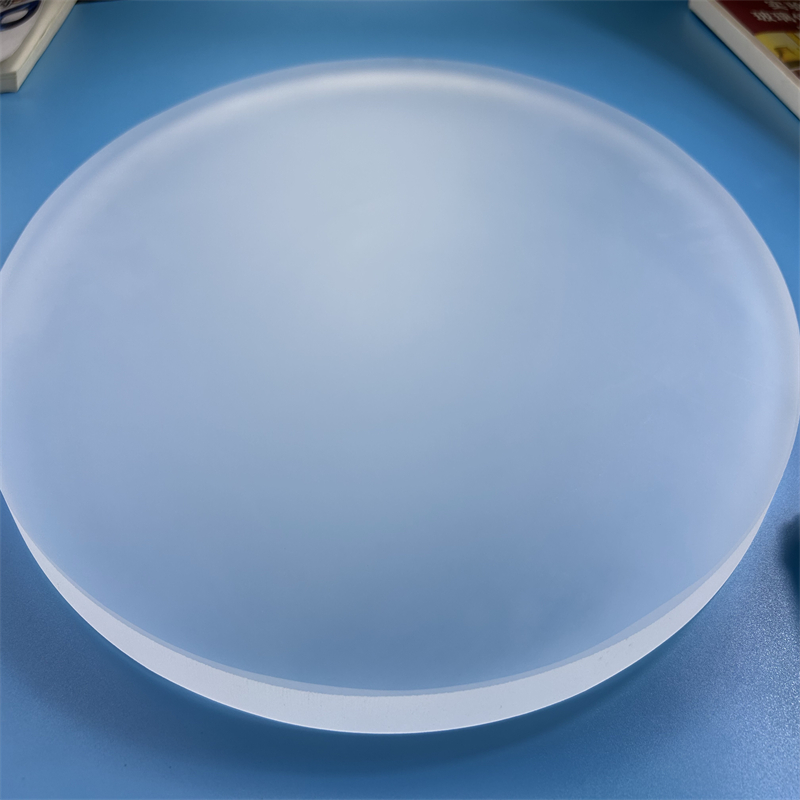
High Temperature Resistance Frosted Quartz Disc/Plate Semiconductor Applications Welding Cutting Custom Sizes Fused Quartz
Diffuse illumination windows and thermal heat shields providing uniform thermal diffusion in gemstone heat-treatment kilns and thermal chambers.
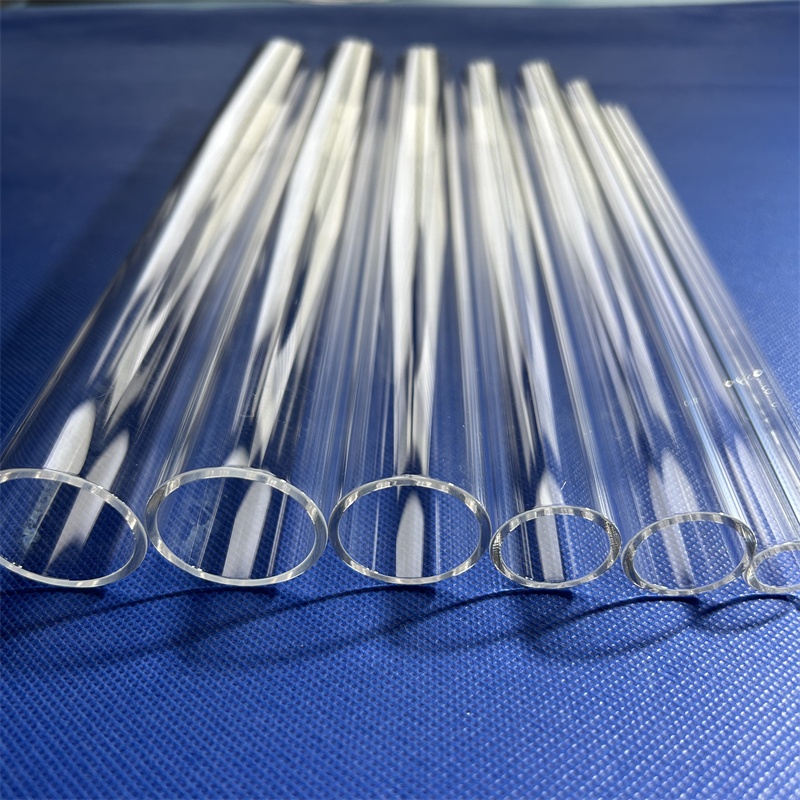
Transparent High Pressure 99.99% Pure Quartz Glass Tube Furnace Boiler Chemical Applications Corrosion Bending Moulding
Heavy-walled tubular fused quartz configured for high-pressure chemical digestion, boiler sight level gauges, and pyrochemical processing furnaces.
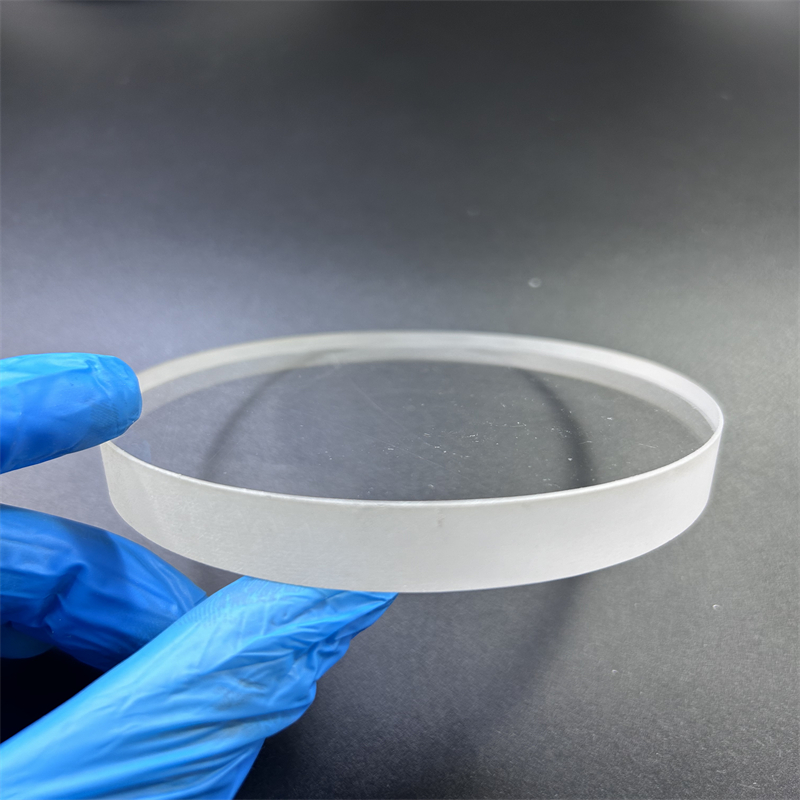
China Supplier High Temperature Transparent UV Quartz Glass Plate Polished Fused Quartz Disc Welding Cutting Optics 1100C Work
Double-sided precision polished optical windows designed for UV photolithography, germicidal water systems, and laboratory spectrophotometers.
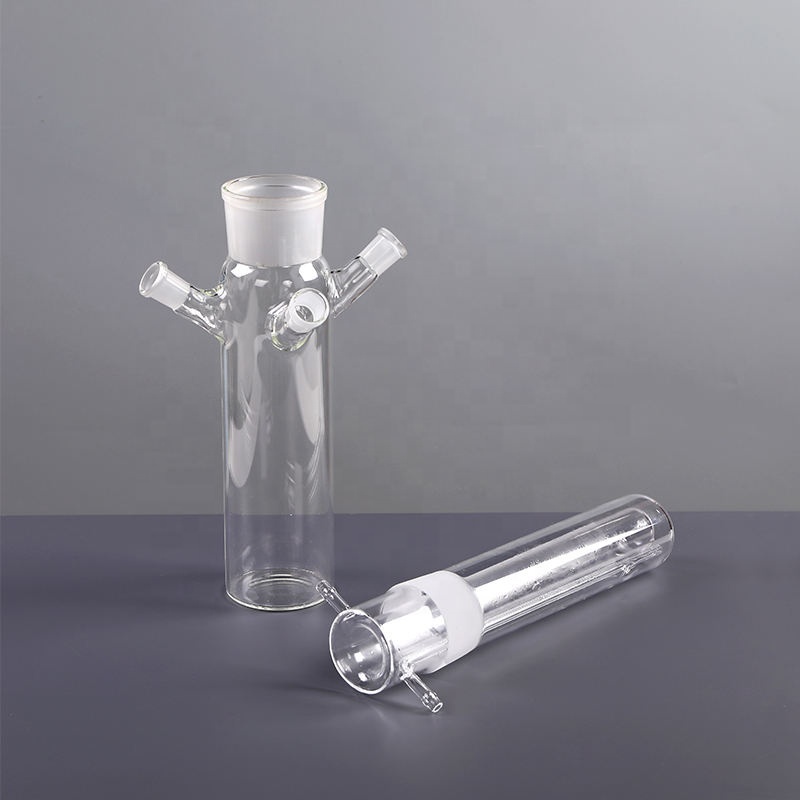
Customized High-purity Quartz Glass Reactor Container Bending Moulding Photocatalytic Degradation Internal Illumination Welding
Bespoke photochemical reaction chambers fabricated for university chemical engineering departments, photocatalysis, and mineral degradation research.
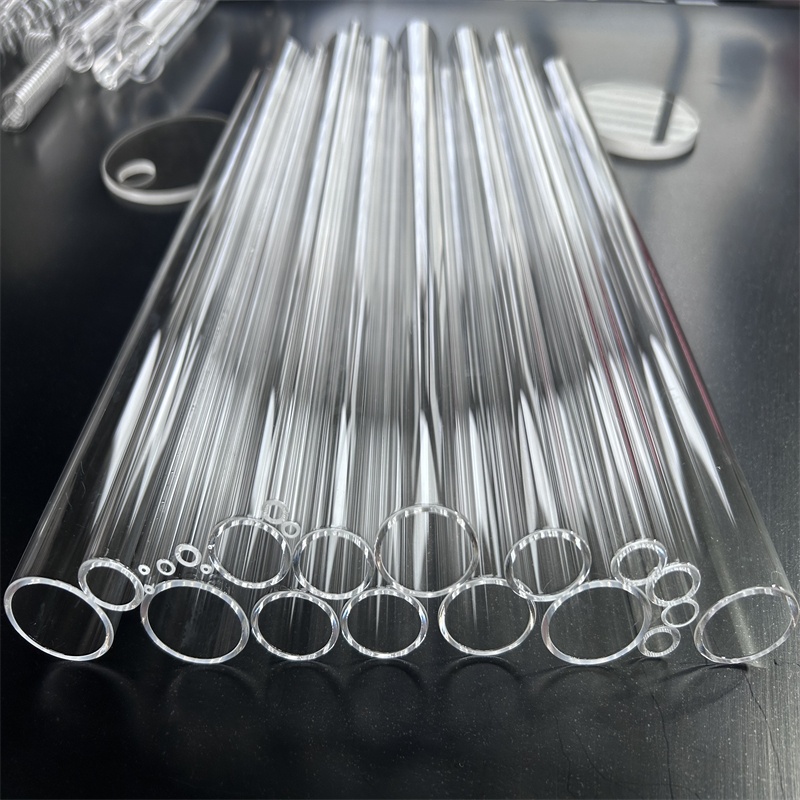
High Temperature Heat Resistant Clear 99.99% Pure Fused Quartz Twin Tube with Ozone Free Welding & Bending Services Custom Sizes
Dual-channel structural quartz geometry designed for short-wave infrared heating arrays, fast curing ovens, and multi-sensor thermal instrumentation.
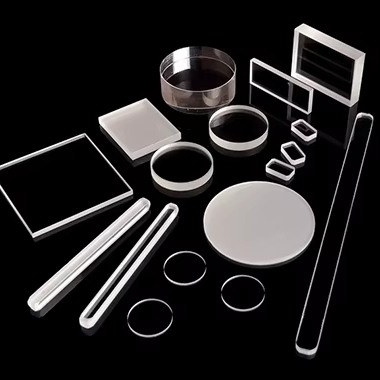
Custom Size High Temperature Fused Transparent Quartz Glass Optical Grade Test Sample Sheet Welding Cutting Processing Service
Surface-polished optical test plates for material testing, laser beam steering, pyrometry sight glasses, and gemstone refractive index analysis.
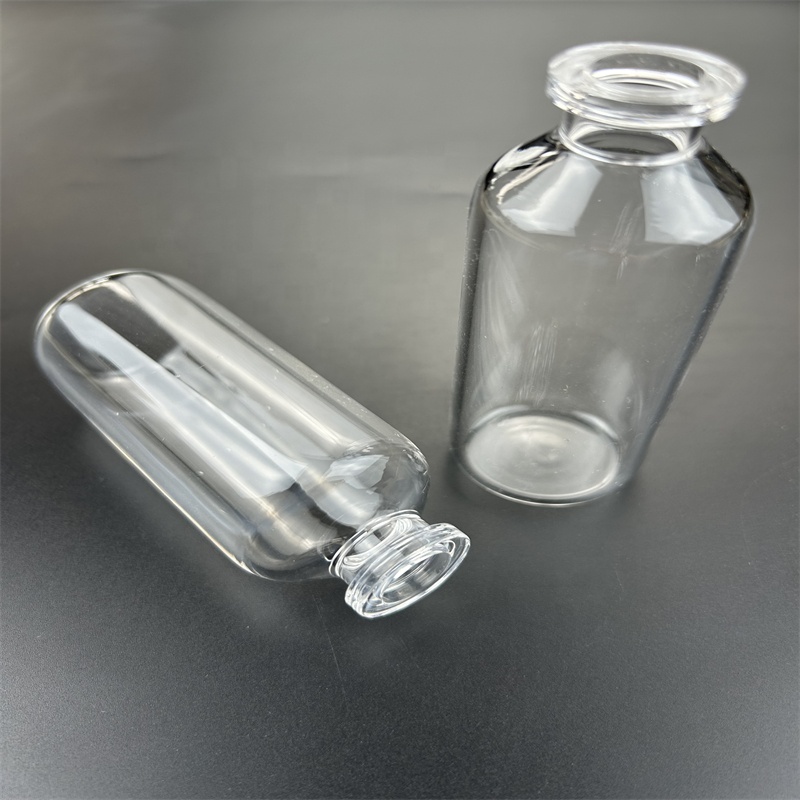
Custom High Pressure Corrosion Resistant Transparent 99.99% Pure Ozone Free Quartz Glass Ampoules Bending Welding Medical Grade
Ultra-clean quartz ampoules and encapsulation vessels for high-temperature geochemical sampling, inert atmosphere crystal growth, and clinical diagnostics.
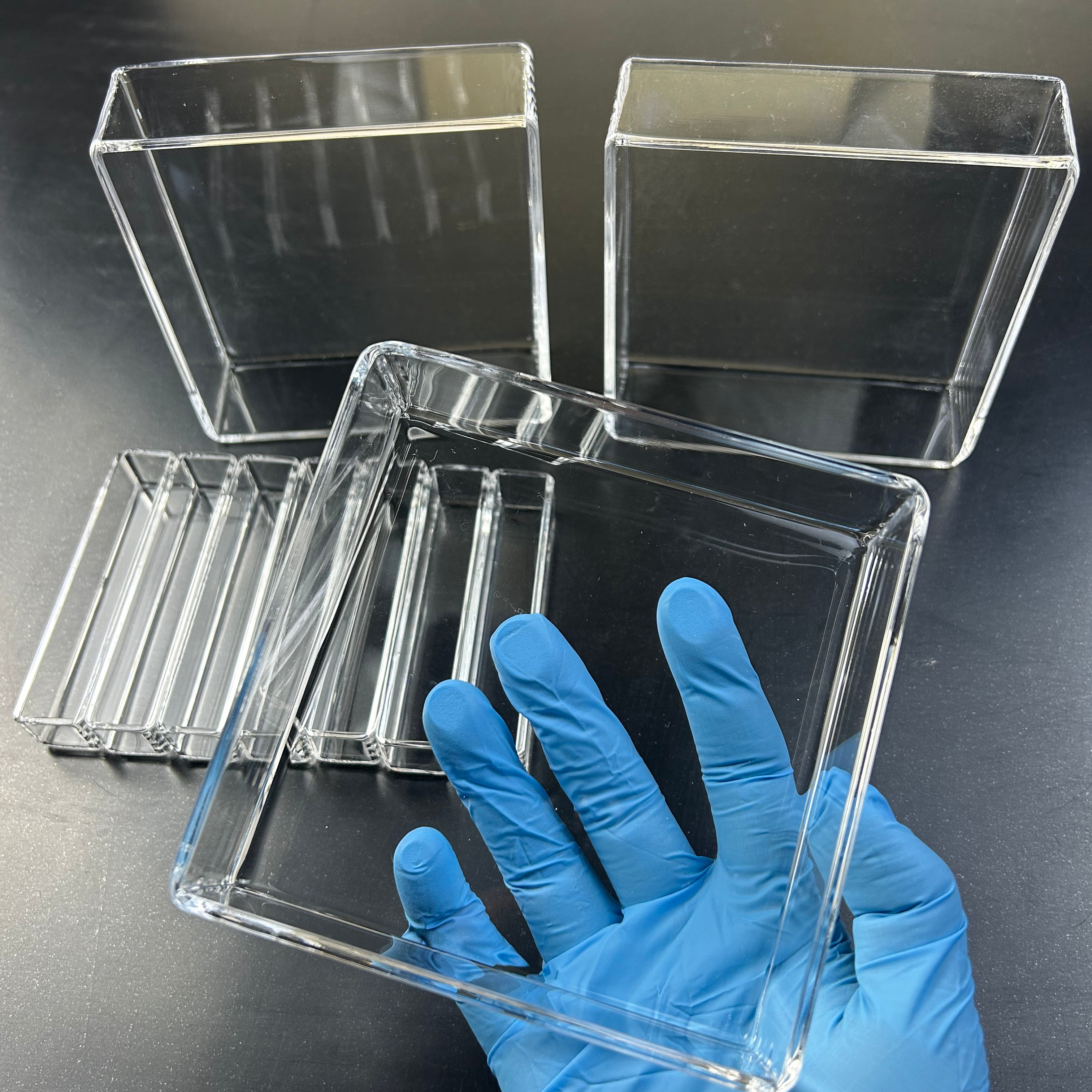
Manufacturers Customized Fused Quartz Glass High Temperature Resistant Circular Cylinder Crucible Tank Welding Cutting Custom
Heavy-bottom fused silica crucibles and sintering tanks built for noble metal refining, calcination, and precious stone thermal enhancement across Upper Myanmar.
Technical Whitepaper: Why Optical Quartz Glass Is Replacing Standard Borosilicate in Mandalay’s Industrial Hub
Mandalay functions as the central commercial nexus, transport interchange, and manufacturing pivot for Upper Myanmar. While conventional industrial infrastructure historically leaned upon borosilicate (Pyrex-type) or soda-lime float glass for thermal and inspection ports, modern processing facilities in the Pyigyitagon Industrial Zone, Myotha Industrial Park, and the surrounding gemological trading corridors are executing a calculated transition toward optical-grade fused quartz (fused silica).
The operational deficit of borosilicate lies in its mechanical limitations: borosilicate softens near 820°C, suffers significant devitrification under intense cyclic heating, and experiences severe spectral roll-off below 320 nm in the ultraviolet spectrum and beyond 2000 nm in the near-infrared spectrum. By contrast, fused quartz synthesized from crystalline silicon dioxide (SiO₂) maintains structural integrity up to continuous service temperatures of 1100°C (with momentary excursions to 1300°C), while offering a virtually zero coefficient of thermal expansion (α = 5.5 × 10⁻⁷ /K). This prevents shattering under thermal shock even when plunged from red-hot furnace conditions directly into cold water.
As an onsite-verified manufacturer based in Donghai County, Jiangsu—the premier crystal processing cluster in China—Lianyungang Zelvo Quartz Products Co., Ltd. bridges the supply void in Mandalay. By eliminating multi-tier brokerage channels, Zelvo Quartz supplies direct OEM fabrications, including custom-cut optical sheets, double-sided polished inspection discs, laser-slotted sample substrates, and welded quartz reactives, with complete dimensional conformity guaranteed from a minimum order quantity of just 1 piece.
Optical & Physical Grade Comparison: Fused Quartz vs Industrial Borosilicate
When shortlisting transparent substrates for severe laboratory, pyrometer, or calcination applications in Mandalay, procurement engineers must benchmark key thermodynamic and optical properties as outlined in our technical index below:
| Physical / Optical Property | UV Synthetic Quartz (JGS1) | Optical Fused Quartz (JGS2) | Infrared Quartz (JGS3) | Standard Borosilicate 3.3 |
|---|---|---|---|---|
| SiO₂ Chemical Purity | ≥ 99.999% | ≥ 99.99% | ≥ 99.98% | ~ 80.5% (with B₂O₃, Na₂O) |
| Useful Spectral Transmission Range | 185 nm – 2500 nm (Deep UV) | 220 nm – 2500 nm (Standard Optical) | 260 nm – 3500 nm (High IR) | 320 nm – 2000 nm (Visible only) |
| Continuous Working Temperature | 1100 °C | 1100 °C | 1100 °C | 450 °C – 500 °C |
| Short-Term Max Limit (Softening) | 1300 °C (Softens at 1683 °C) | 1300 °C (Softens at 1683 °C) | 1300 °C (Softens at 1683 °C) | 550 °C (Softens at 820 °C) |
| Thermal Expansion Coeff. (20-300°C) | 5.5 × 10⁻⁷ /K | 5.5 × 10⁻⁷ /K | 5.5 × 10⁻⁷ /K | 32.5 × 10⁻⁷ /K |
| Hydroxyl Ion (OH⁻) Content | ≤ 10 ppm (or <1 ppm dry) | 150 – 200 ppm | ≤ 5 ppm | N/A (Complex Borate Network) |
| Thermal Shock Resistance (ΔT) | > 1100 °C to cold water | > 1100 °C to cold water | > 1100 °C to cold water | ~ 150 °C – 180 °C |
| Refractive Index (nd at 587.6 nm) | 1.4585 | 1.4585 | 1.4585 | 1.4730 |
High-Purity Quartz Applications Across Mandalay’s Regional Economy
From the world-renowned gemstone trading corridors of Mogok to the developing solar farm belt across the Dry Zone, precision quartz components perform critical duties.
Gemstone Spectroscopy & Mogok Thermal Heat Treatment
Mandalay acts as the global clearance and refining marketplace for rubies, sapphires, and spinels extracted from Mogok. Upgrading corundum color through controlled high-temperature annealing (1200°C–1300°C) demands pure fused quartz crucibles and observation discs that release zero trace iron, titanium, or chromium contaminants into the heating matrix.
Solar PV & Meteorological Stations in the Dry Zone
Central Myanmar’s Dry Zone surrounding Mandalay has become the hotbed for massive grid-scale photovoltaic installations. Optical quartz protective plates, UV radiometer covers, and solar simulator sheets ensure non-degrading UV transparency (>92%) under intense solar irradiance, high ambient heat, and abrasive dust storms.
Mining Assay & Inductively Coupled Plasma (ICP) Testing
Mining laboratories in Upper Myanmar assessing copper (Monywa), gold, and rare earth deposits rely on Zelvo Quartz combustion reactor tubes, acid digestion vessels, and ICP torch injector quartz glassware capable of resisting severe hydrofluoric-free acid digestion without leaching silica background noise.
Agro-Industrial UV Water Purification & Processing
Mandalay's agro-processing facilities (pulses, sesame, brewing, and sugar refining) employ heavy-duty germicidal UV sterilizers. Our ozone-free fused quartz sleeves and flat optical window ports transmit high-intensity 253.7 nm UVC radiation, neutralizing pathogens without thermal degradation or solarization darkening.
Emerging Procurement Trends in the Mandalay Industrial Quartz Sector
An in-depth perspective on the shifting supply dynamics, direct cross-border trade mechanics, and rigorous quality standards requested by Burmese buyers.
Direct China-Myanmar Logistics Corridors
Historically, research centers in Mandalay secured specialized quartz glassware through multi-stage distribution loops passing through regional third countries, incurring markup overheads and shipping durations of 6–10 weeks. Zelvo Quartz leverages direct cross-border overland routes via Yunnan / Ruili-Muse or direct air-cargo lanes straight into Mandalay International Airport (MDL) and sea routes via Yangon port, reducing transit times to 5–12 business days with insured, shock-proof crating.
Demand for Zero-Defect Optical Surfaces (MIL-PRF-13830B)
As analytical laboratories across Upper Myanmar adopt advanced spectrometers (FTIR, UV-Vis, NIR), the demand for rough-cut quartz has given way to optical surface specifications. Buyers now specify scratch-dig ratios of 60/40 or 40/20, surface roughness Ra < 0.5 nm, and wave transmitted wavefront distortion < λ/4 per inch. Zelvo Quartz implements double-sided chemical-mechanical polishing (CMP) to achieve laser-grade cleanliness.
1-Piece Prototyping for University & R&D Trials
Technological modernisation in institutions like the University of Mandalay and the Mandalay Technological University often requires custom glass assemblies for one-off experimental rigs. Rather than facing exorbitant 50-piece Minimum Order Quantities from legacy western brands, our low MOQ of 1 piece allows researchers and plant managers to pilot prototypes without capital bloat.
Why Mandalay Enterprises Choose Zelvo Quartz
Combining Donghai County’s premier crystalline quartz supply chain with state-of-the-art CNC precision cold processing and flame craftsmanship.
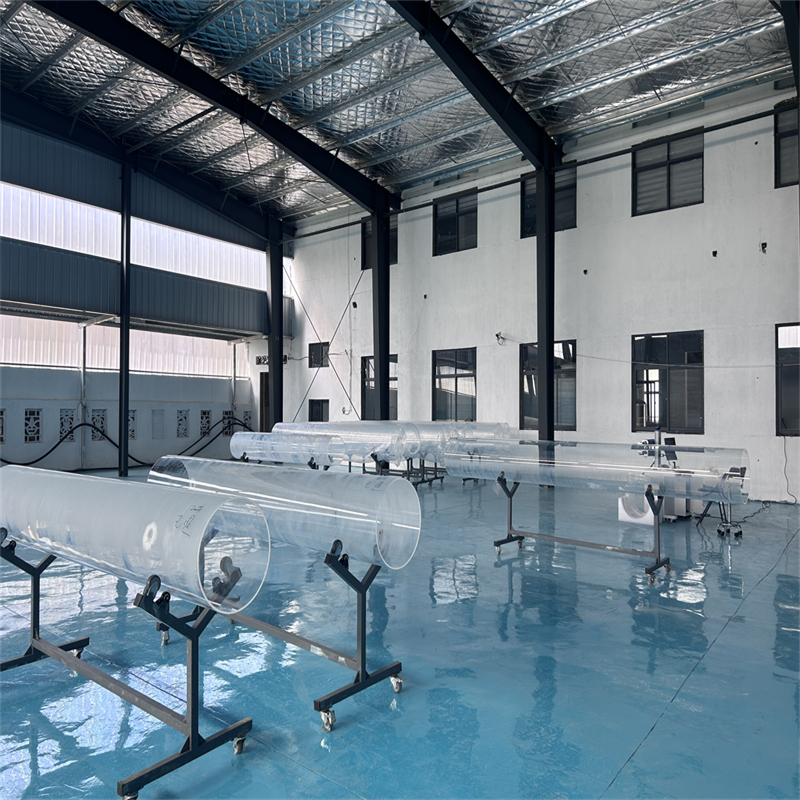 Main CNC Quartz Fabrication Center
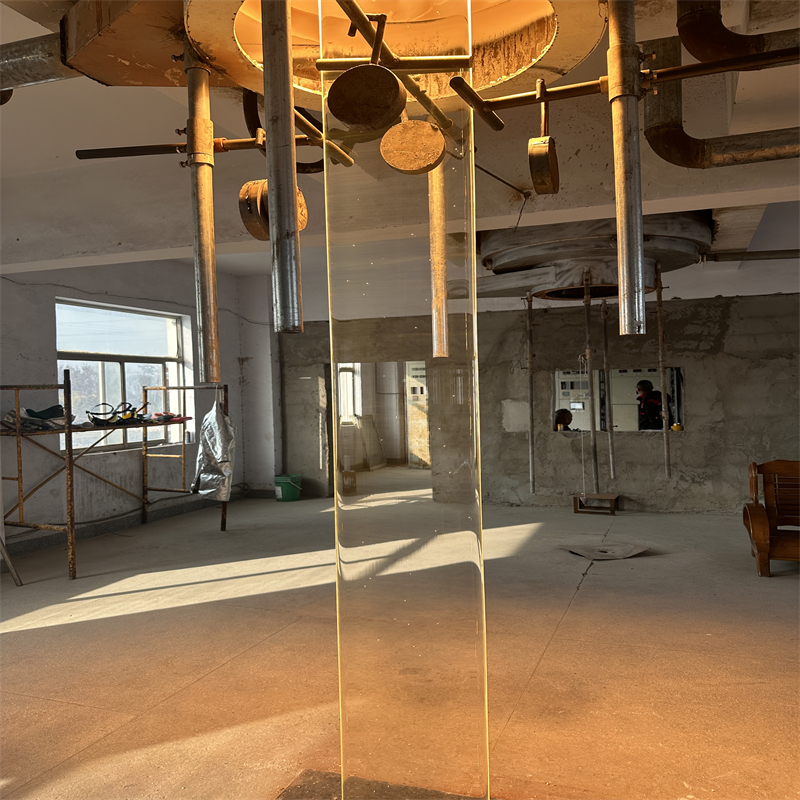 Glassblowing & Welding
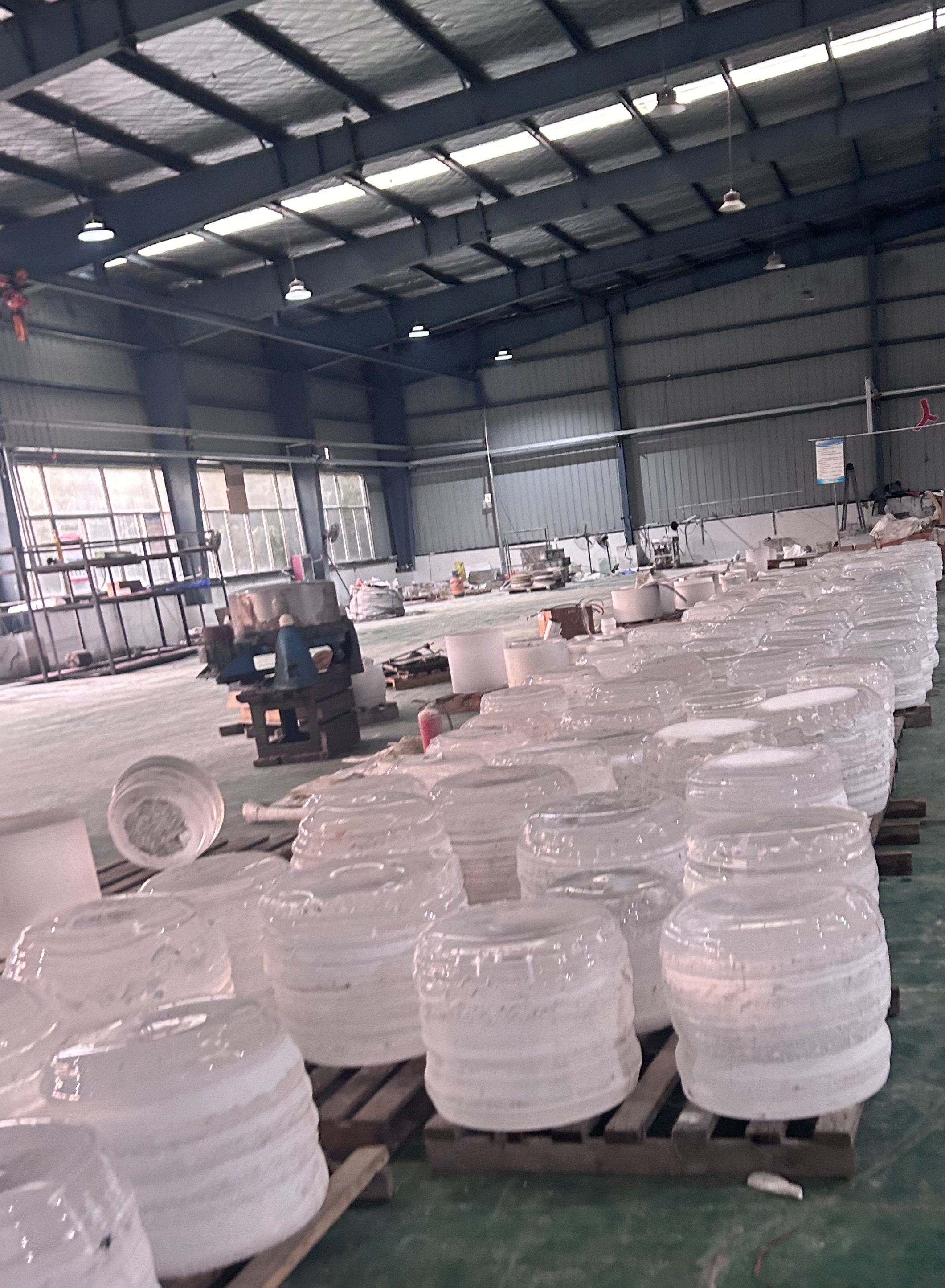 Interferometer Optical QC
Raw Material Origin: Donghai Silicon Valley
Our manufacturing base in Donghai County controls direct access to high-purity natural silica sand matrices containing < 20 ppm total metallic impurities. Through continuous vacuum arc fusing, we generate raw quartz ingots with zero macro-bubbles, stellar refractive homogeneity, and optimal thermodynamic stability.
5-Axis CNC Milling, Laser Drilling & Bending
From complex slotted XRD sample holders to intricate twin-bore tubes, our workshop is outfitted with ultrasonic drill presses, multi-axis water-cooled CNC milling beds, and CO₂ precision lasers capable of executing holes down to 0.2 mm diameter with edge chip tolerances under 0.05 mm.
Engineers with 10+ Years of Quartz Experience
Quartz is distinct from ordinary glass; it demands precise annealing temperature maintenance (1215°C) to eliminate internal stress birefringence. Our engineering leads guide you through CAD drawing verification, thermal shock profiling, and optical grade assignment within 2 hours of inquiry receipt.
From Custom Technical Drawing to Mandalay Delivery
A streamlined, risk-mitigated procurement model engineered specifically for international trade partners.
CAD & Drawing Review
Submit your 2D PDF, DXF, or STEP drawing along with working temperature, chemical exposure, and optical wavelength prerequisites.
Grade Assignment
Our material scientists match your operating parameters with JGS1 (Deep UV), JGS2 (Standard Optical), or JGS3 (IR transparent) silica.
Precision Machining
CNC diamond-wire cutting, flame polishing, edge bevelling, laser grooving, and high-temperature stress-relief annealing.
Optical & Visual QC
Laser interferometry checks, optical transmittance spectrophotometer sweeps, and dimensional tolerance validation with reports.
Armored Export Logistics
Individually wrapped with vacuum anti-scratch electrostatic films, shock-absorbing pearl foam, and reinforced plywood export cases.
Frequently Asked Questions: Sourcing Quartz Glass in Mandalay
Addressing essential technical, operational, and financial considerations for Myanmar industrial enterprises.
How does optical quartz glass handle severe thermal cycling compared to borosilicate glass?
Can you manufacture customized optical quartz sheets according to our specific CAD drawings?
Which optical quartz grade (JGS1, JGS2, JGS3) is recommended for spectrophotometry in Mandalay?
How do you guarantee that fragile quartz glass sheets will not break during shipment to Myanmar?
What payment and commercial terms are available for buyers based in Mandalay?
What is the typical turnaround lead time for custom quartz prototypes?
Request an Optical Quartz Engineering Quotation
Accelerate your project with factory-direct pricing from China’s quartz heartland. Upload your technical drawings, specify dimensions, or consult our engineering team on chemical and thermal suitability.