Precision Optical Quartz & Laboratory Substrates
Selected export-grade fused silica components engineered for vacuum CVD systems, optical spectroscopy, high-pressure viewing ports, and extreme thermal testing across Southeastern Europe.
Material Science of Synthetic & Fused Optical Quartz Glass
A rigorous examination of amorphous silicon dioxide (SiO2), spectral window transmission ranges, dielectric properties, and thermomechanical behavior for procurement specialists.
In high-precision optical instrumentation, industrial pyrometry, and advanced semiconductor fabrication, fused silica and synthetic quartz glass sheets represent foundational materials. Unlike standard borosilicate, soda-lime, or aluminosilicate glasses, optical fused quartz is an amorphous state consisting purely of silicon dioxide tetrahedrons ($SiO_4$) linked at every corner without network-modifying alkali ions. This non-crystalline lattice yields an extraordinary coefficient of thermal expansion ($\approx 5.5 \times 10^{-7}/\text{K}$), virtually eliminating susceptibility to severe thermal shock.
When selecting optical quartz glass sheets for deployment across North Macedonia's growing industrial manufacturing facilities, engineers must distinguish between Synthetic Fused Silica (JGS1), Natural Fused Quartz (JGS2), and Infrared Optical Quartz (JGS3). Synthetic varieties, synthesized via chemical vapor deposition through high-temperature oxidation of silicon tetrachloride ($SiCl_4 + O_2 \to SiO_2 + 2Cl_2$), exhibit negligible metallic impurity contents ($< 0.1\text{ ppm}$ total metals), preventing solarization under deep ultraviolet (DUV) radiation down to 185 nm.
$$R = \frac{\sigma_f \cdot (1 - \nu) \cdot k}{E \cdot \alpha}$$ Where $\sigma_f$ is mechanical tensile strength, $\nu$ is Poisson's ratio, $k$ is thermal conductivity, $E$ is Young's Modulus, and $\alpha$ is thermal expansion coefficient. For Zelvo 99.99% high-purity quartz sheets, the microscopic expansion coefficient ($\alpha = 5.5 \times 10^{-7}/\text{K}$) makes $R$ substantially higher than borosilicate, allowing rapid water immersion from 1100°C without crack propagation.
Optical Transmission Bands & OH- Absorption Dynamics
Transmission profiles through quartz plates are governed primarily by electronic band transitions in the ultraviolet region and fundamental molecular vibrations in the infrared spectrum. The energy bandgap of pure amorphous $SiO_2$ is approximately 8.9 eV, enabling near-perfect transmission down into the vacuum UV spectrum. However, hydroxyl groups (OH-) incorporated during flame synthesis generate profound absorption bands at 1.38 µm, 2.22 µm, and decisively at 2.73 µm. For infrared pyrometry and thermal sensor windows, Zelvo provides low-OH electrical-melted quartz sheets containing less than 2 ppm OH-, maintaining flawless optical transmission through 3500 nm.
| Physical / Optical Property | Standard Fused Quartz (JGS2) | Synthetic Fused Silica (JGS1) | IR-Grade Quartz (JGS3 / Low-OH) |
|---|---|---|---|
| Chemical Purity (SiO₂) | ≥ 99.99% | ≥ 99.9999% | ≥ 99.995% |
| Effective Optical Transmission Range | 220 nm – 2,500 nm | 185 nm – 2,500 nm (DUV) | 260 nm – 3,500 nm (Near-IR) |
| Hydroxyl Ion Content [OH⁻] | 150 – 200 ppm | ≤ 1,200 ppm (UV stable) | ≤ 2 – 5 ppm (Water-free) |
| Refractive Index ($n_d$ @ 589.3 nm) | 1.45846 | 1.45840 | 1.45850 |
| Abbe Number ($V_d$) | 67.8 | 67.9 | 67.7 |
| Coefficient of Thermal Expansion (CTE) | $5.5 \times 10^{-7} \text{ K}^{-1}$ | $5.2 \times 10^{-7} \text{ K}^{-1}$ | $5.5 \times 10^{-7} \text{ K}^{-1}$ |
| Continuous Working Temperature | 1,100 °C | 1,150 °C | 1,100 °C |
| Short-Term Annealing Point | 1,215 °C | 1,220 °C | 1,215 °C |
| Softening Temperature Limit | 1,683 °C | 1,730 °C | 1,683 °C |
| Dielectric Constant ($\varepsilon$ @ 1 MHz) | 3.75 | 3.72 | 3.78 |
| Surface Roughness (Super-Polished $R_a$) | < 1.0 nm | < 0.5 nm ($5\text{ \AA}$) | < 0.8 nm |
Localized Application Scenarios in North Macedonia
Analyzing how North Macedonia's evolving manufacturing sectors, free trade zones (TIDZ), and chemical plants integrate high-precision quartz components into active production lines.
Automotive Sensor Optics (TIDZ Bunardzik / Skopje)
Tier-1 automotive electronics manufacturers situated in Technological Industrial Development Zones require UV-grade, optically flat quartz sheets ($\lambda/4$ per inch) for optical inspection windows, LIDAR lens protection, and high-temp potting chambers unaffected by automotive engine bay heat up to 300°C.
Pharmaceutical & Analytical Testing (Alkaloid Skopje)
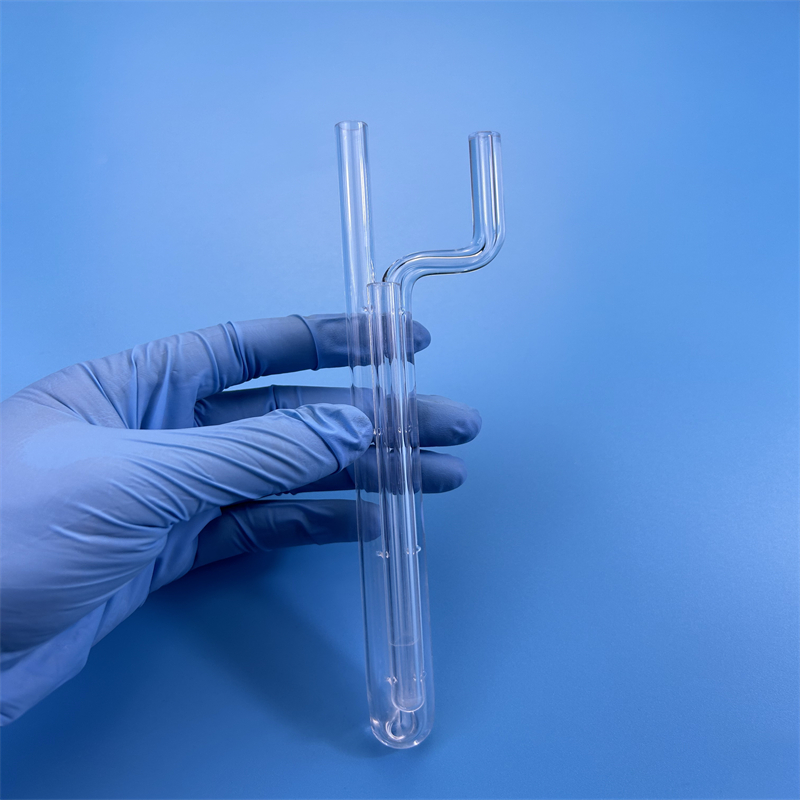
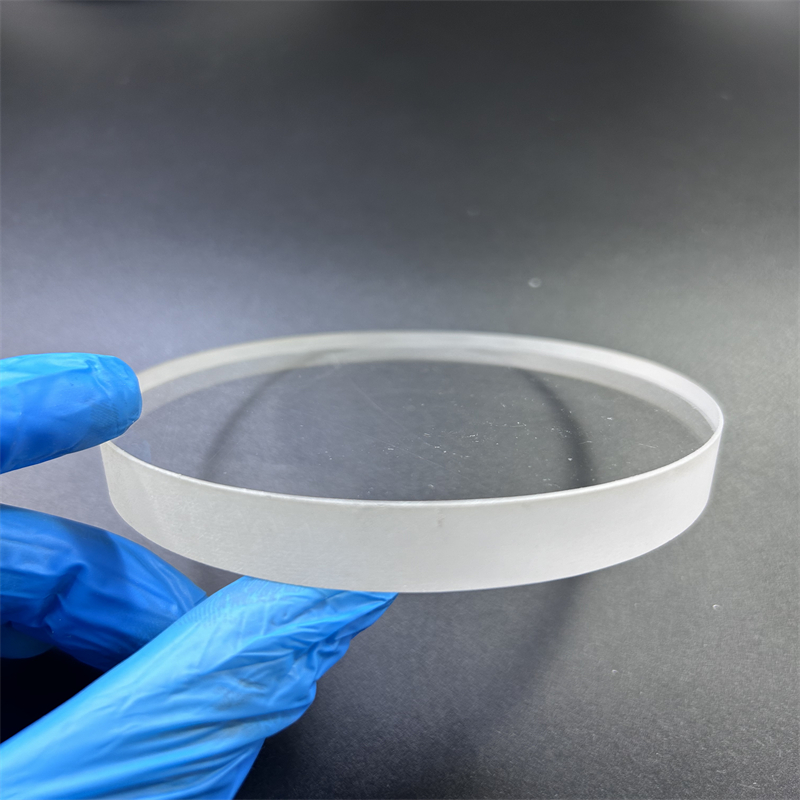
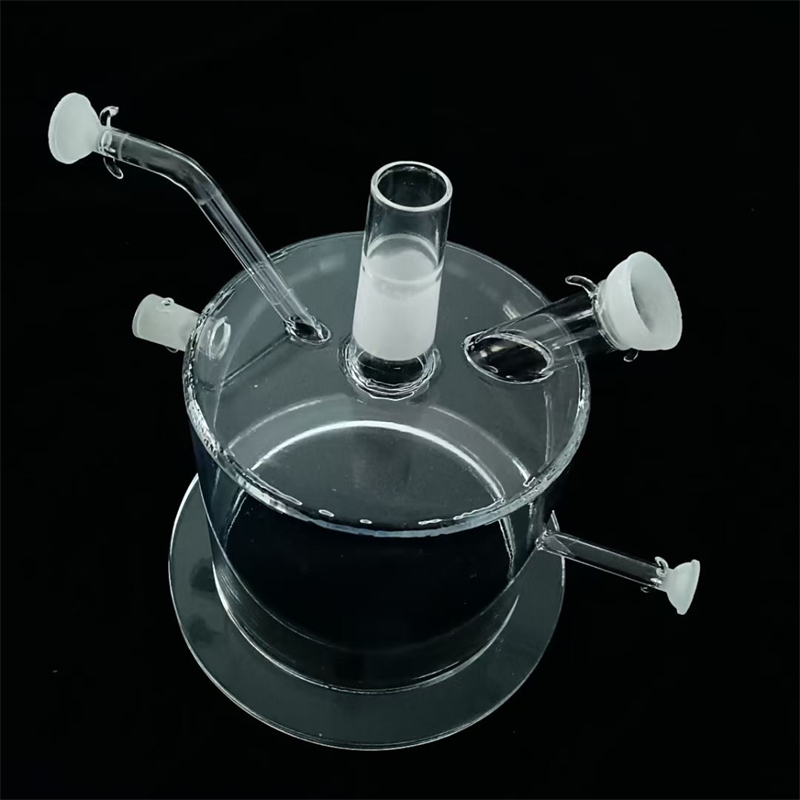
North Macedonia's pharmaceutical cluster relies on spectrophotometric precision. Our JGS1 fused silica window discs and BET twin-tube sorption assemblies guarantee baseline chemical neutrality across aggressive organic solvent assays, high-acid dissolution tests, and UV-Vis spectrophotometry down to 190 nm.
Metallurgical & Smelting Pyrometry (Kavadarci & Radoviš)
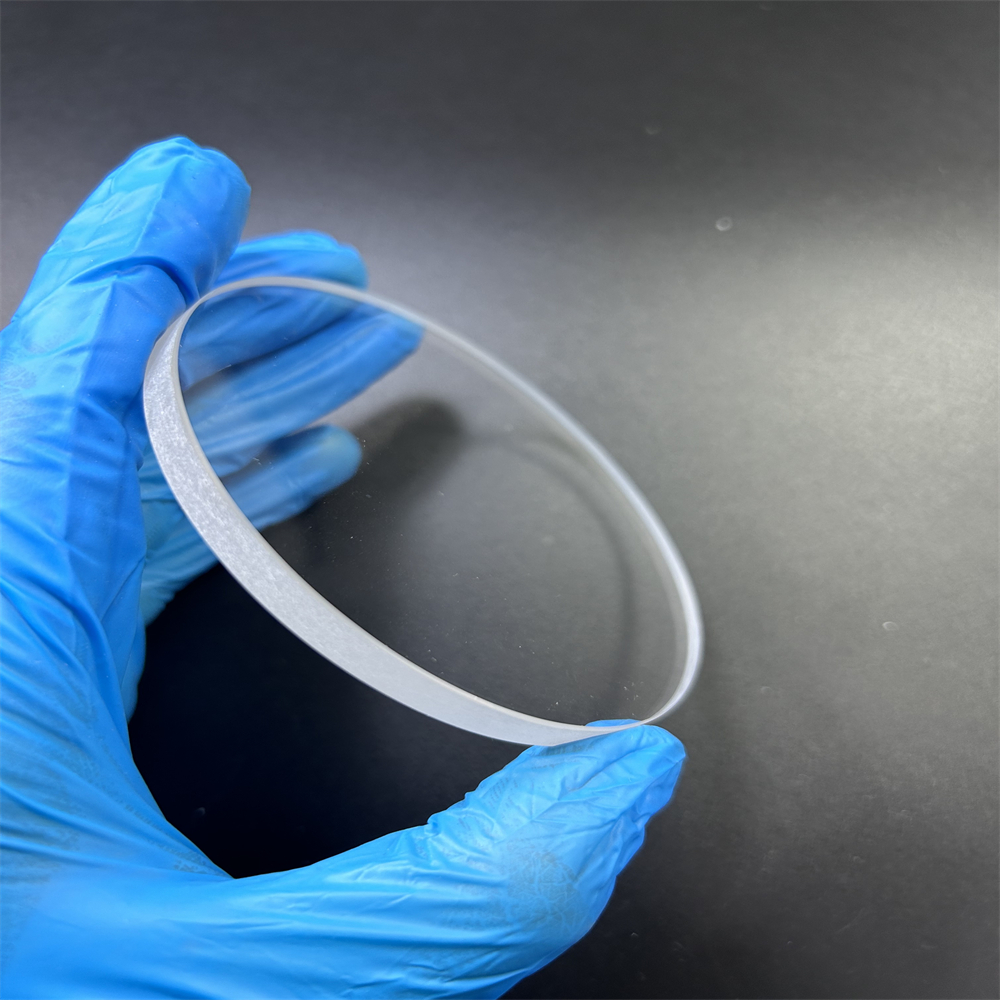
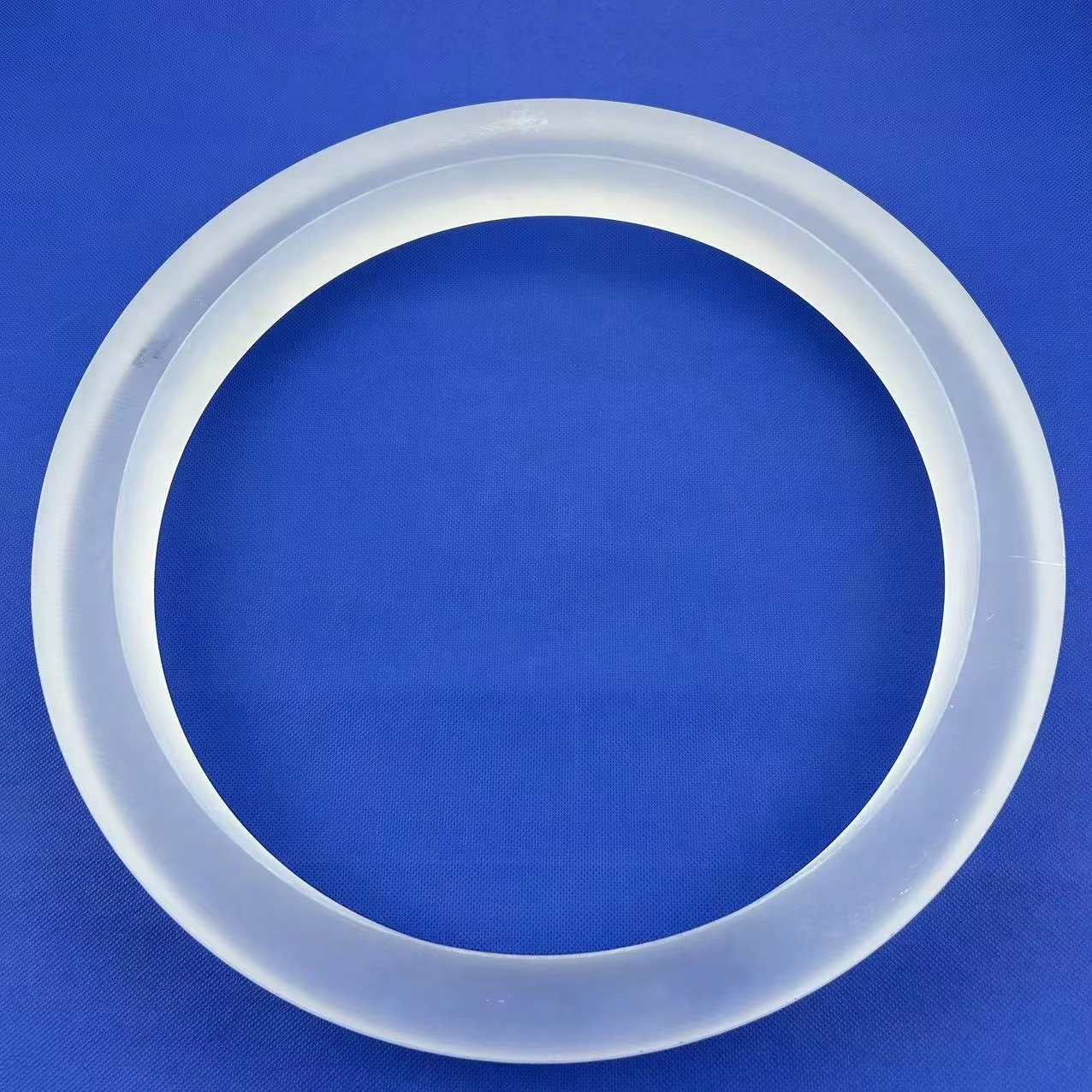
In ferronickel, lead-zinc, and copper smelting facilities, optical quartz sight glass discs withstand intense 1100°C operational radiance and acidic flue gas abrasion. Their non-reactive surface prevents sulfur dioxide erosion and etching typical of standard borosilicate viewports.
Academic & Solar Photovoltaic R&D (UKIM Skopje)
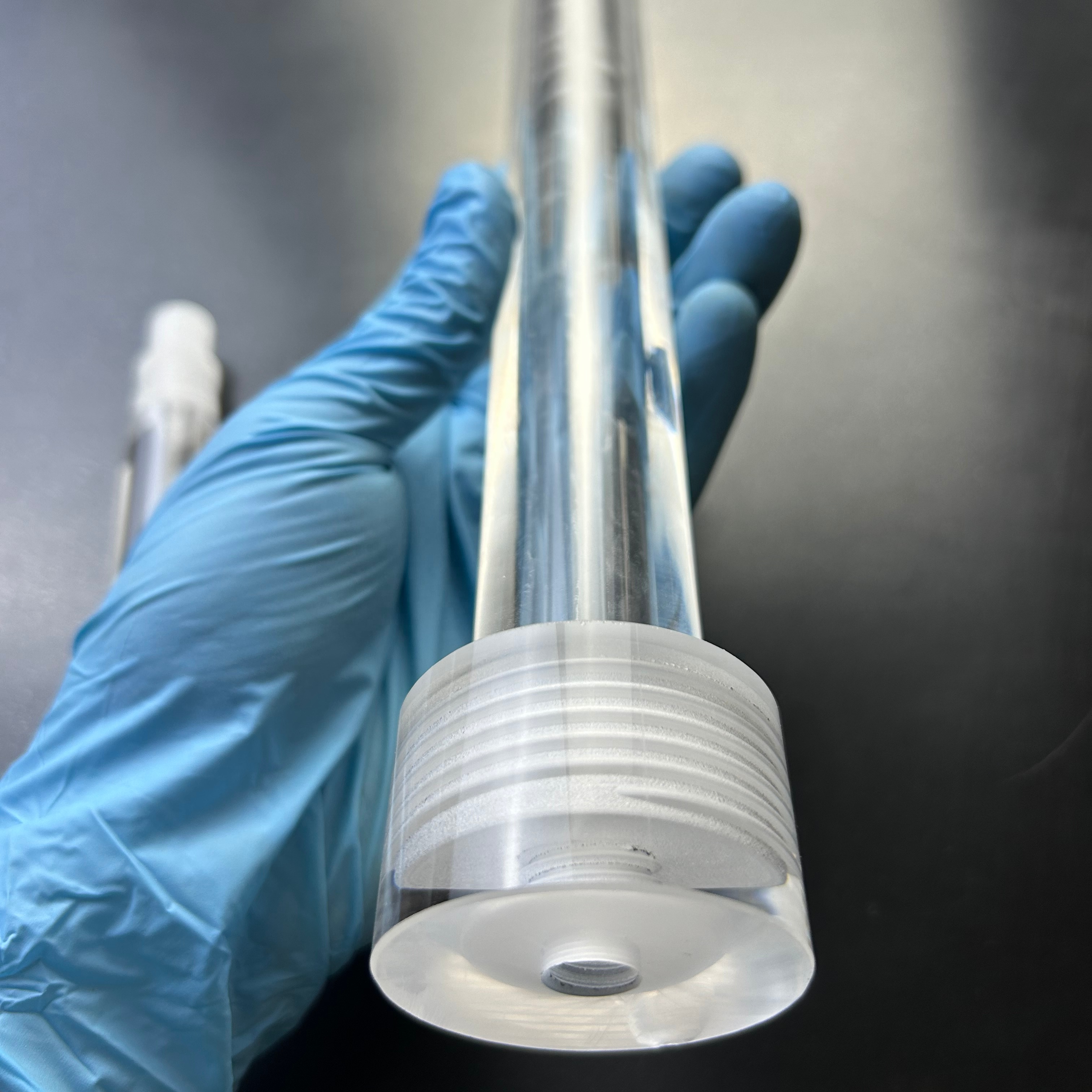
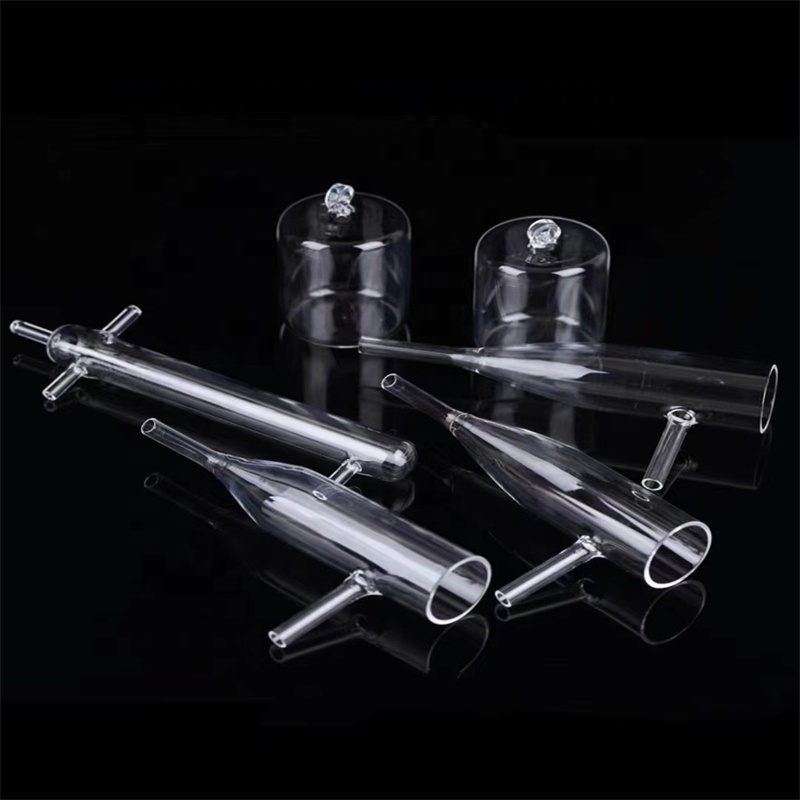
Research laboratories at Ss. Cyril and Methodius University (Faculty of Natural Sciences and Mathematics) demand custom-slotted XRD sample holders, micro-drilled quartz wafers, and vacuum CVD tubes for perovskite thin-film photovoltaic research and crystal phase analysis.
Emerging Procurement Trends in North Macedonia's Advanced Tech Sector
How the nearshoring of European semiconductor suppliers and green energy investments are shaping optical component demand in the region.
Over the past five years, North Macedonia has progressively transitioned from low-complexity contract assembly toward high-value advanced industrial electronics, precision injection tooling, and photonic sensing. This transformation, spearheaded by foreign direct investment in TIDZ Skopje 1, Skopje 2, Tetovo, and Prilep, has fundamentally altered procurement requirements for raw optical materials:
- Strict Adherence to ISO 10110 Optical Drawing Standards: Macedonian engineering teams and sub-assembly integrators increasingly issue blueprints citing specific Scratch-Dig tolerances (MIL-PRF-13830B 20-10 or ISO 10110-7 5/2x0.1) and wavefront distortion values ($\lambda/10$ @ 632.8 nm) rather than generic commercial glass grades.
- Accelerated Prototyping Without Minimum Order Barriers: High-mix, low-volume development cycles for automotive radar casings and optical sensors require rapid turnarounds. Zelvo's factory MOQ of a single piece allows Macedonian R&D departments to validate physical thermal limits before mass tooling.
- Integrated Near-Infrared Pyrometry Windows: With regional smelting, cement (Usje Skopje), and glass works modernizing with automated infrared process monitoring, the demand for water-free low-OH fused quartz sheets (JGS3) has surged over 40% year-on-year to prevent erroneous temperature telemetry caused by hydroxyl absorption.
- CE, REACH & RoHS Environmental Directives: As North Macedonia deepens alignment with European Single Market benchmarks, every shipped quartz component must be thoroughly documented as halogen-free, lead-free, and REACH SVHC compliant.
Manufacturing Capacity & Quality Metrics
Continuous investment in computerized CNC slicing, flame polishing, and laser micromachining in Donghai, China's world-renowned quartz capital.
Custom Fabrication Capabilities for Optical Quartz
Precision tooling tailored to complex engineering geometries, laser-cut slots, optical chamfers, and bespoke vacuum ports.
CNC 5-Axis Diamond Milling & Grinding
Bespoke edge profiling, stepped bevels, precision chamfers, and slotted pockets engineered with dimensional tolerances down to $\pm 0.02\text{ mm}$ for flush hermetic housing installation.
Laser Micro-Drilling & Precision Grooving
Micro-orifice laser drilling from 0.20 mm diameter without perimeter micro-fissuring or edge spalling. Ideal for gas effusion discs, XRD sample stages, and microfluidic research substrates.
Double-Sided Optical Polishing
Super-polishing processes delivering surface microroughness $R_a < 0.5\text{ nm}$, surface quality 20-10 Scratch-Dig, and optical parallelism $< 10\text{ arcseconds}$ for interferometric laser prisms and windows.
Supply Chain & Cross-Border Delivery to North Macedonia
Ensuring break-free transit, simplified customs clearance, and comprehensive compliance across Skopje, Bitola, Prilep, and Kumanovo.
Precision optical quartz and thin fused silica wafers require specialized protective packaging protocols to prevent vibration fractures, micro-scratching, and atmospheric surface contamination during international multi-modal transit:
Frequently Asked Questions for Buyers in North Macedonia
Direct answers addressing technical limits, customs documentation, testing certificates, and precision manufacturing capabilities.
What is the optical transmission difference between JGS1, JGS2, and JGS3 quartz plates?
Can Macedonian companies order 1-piece custom prototypes without tooling surcharges?
What mechanical tolerances can be maintained on laser-cut or CNC-machined quartz sheets?
How does high-purity fused quartz respond to extreme thermal cycling and quenching?
Which incoterms and transport documentation do you furnish for imports into North Macedonia?
How should optical quartz glass sheets be cleaned after thermal or chemical processing?
The Zelvo Quartz Advantage for European Procurement
Centrally located in Donghai County, Jiangsu Province—the core crystal and quartz cluster—providing unrivaled access to raw silicon dioxide purity.
World-Class Raw Material Cluster
Sourcing directly from Donghai allows us to secure superior natural crystal and synthetic precursors, guaranteeing consistent chemical purity (≥ 99.99% SiO₂) with strictly controlled iron, copper, and alkali trace levels.
Senior Glassblowing Master Technicians
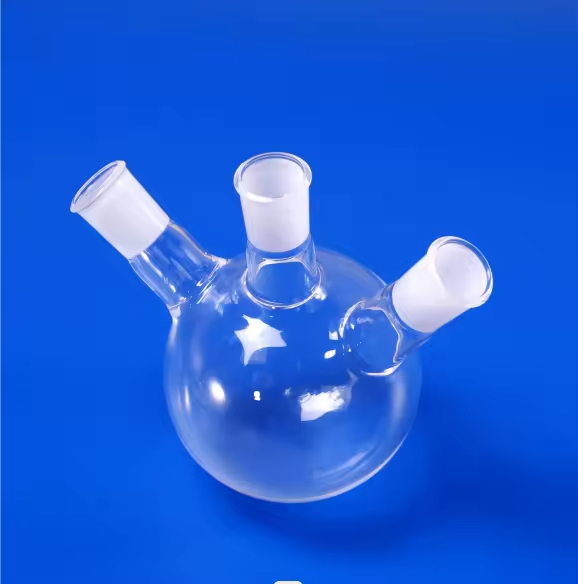
Our workshop combines computer-controlled 5-axis CNC diamond machining with traditional Master glassblowers possessing over 10 years of artisan flame-welding experience for seamless U-bends, twin-bore unions, and high-vacuum quartz flanges.
Rigorous Pre-Shipment Metrology
Every optical plate and custom tube undergoes visual bubble-inclusion grading, coordinate measurement machine (CMM) dimensional verification, and spectrophotometer transmission validation, documented with pre-dispatch photo reports.
Direct Engineer Communication in ≤ 2 Hours
No call center bureaucracy. Buyers communicate directly with bilingual sales engineers who analyze CAD/technical drawings, evaluate thermal stress parameters, and return detailed formal quotes and production timelines in under 2 hours.