Optical Quartz Lens Factory & Exporter Serving Mexico City

High-Purity Fused Silica & Quartz Optical Components Engineered for Industrial Laser Systems, Semiconductor Metrology, and Advanced Research Laboratories across Mexico City and Central Mexico Industrial Corridors.

Precision Engineered Solutions

Featured Industrial & Optical Quartz Components

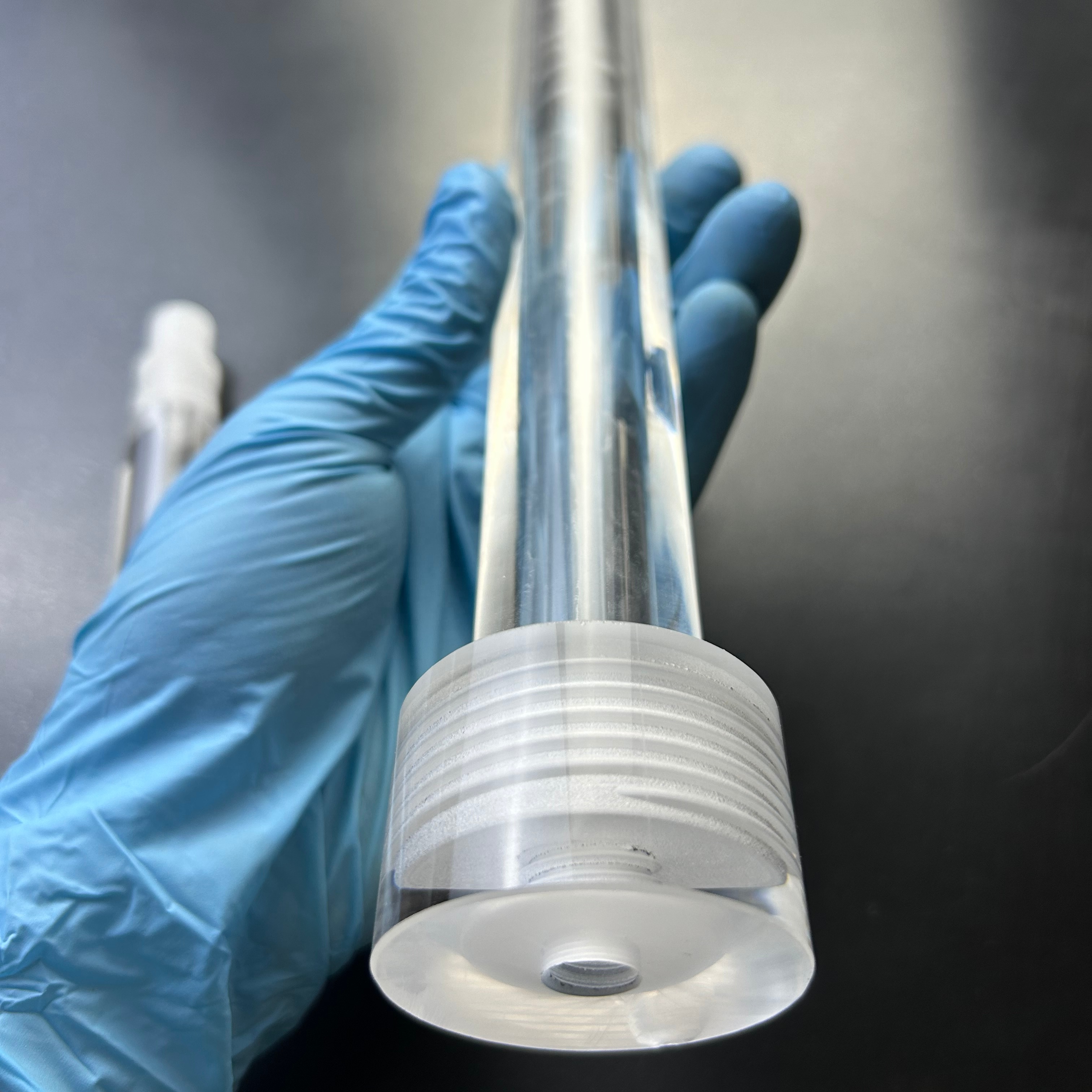
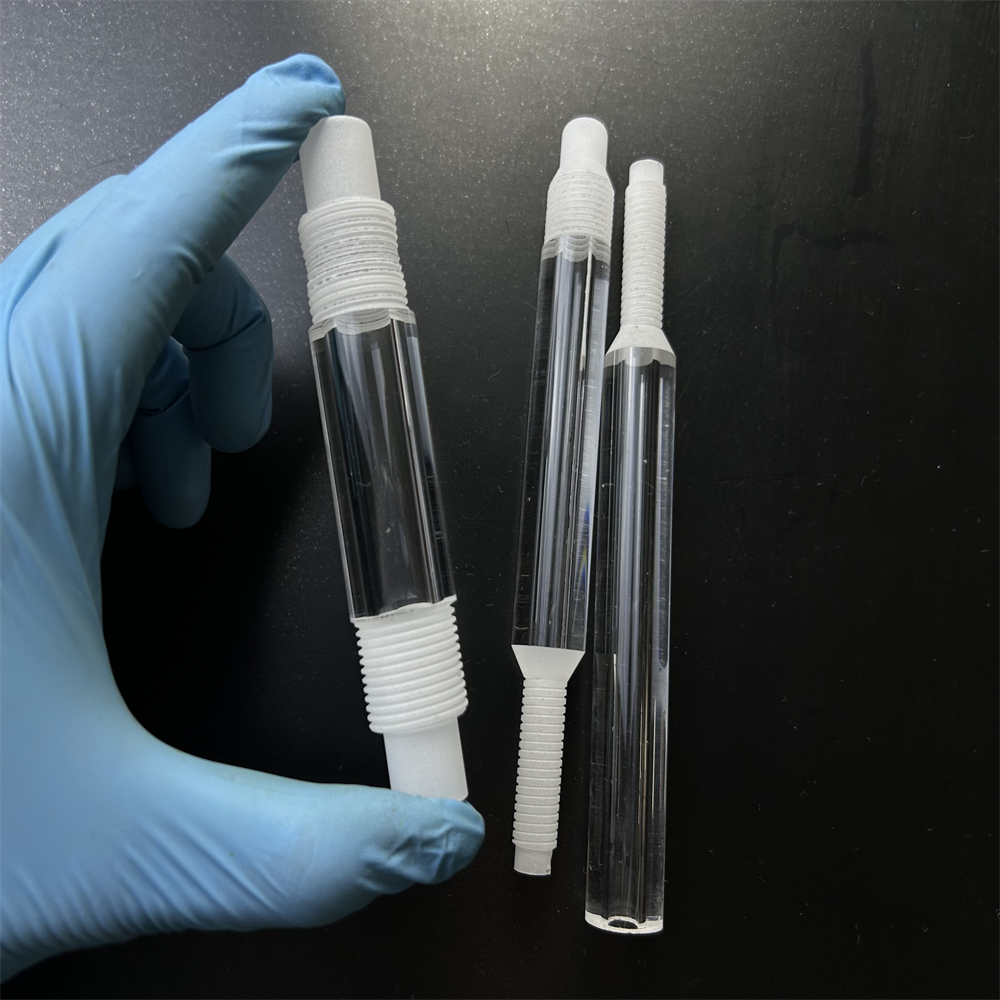
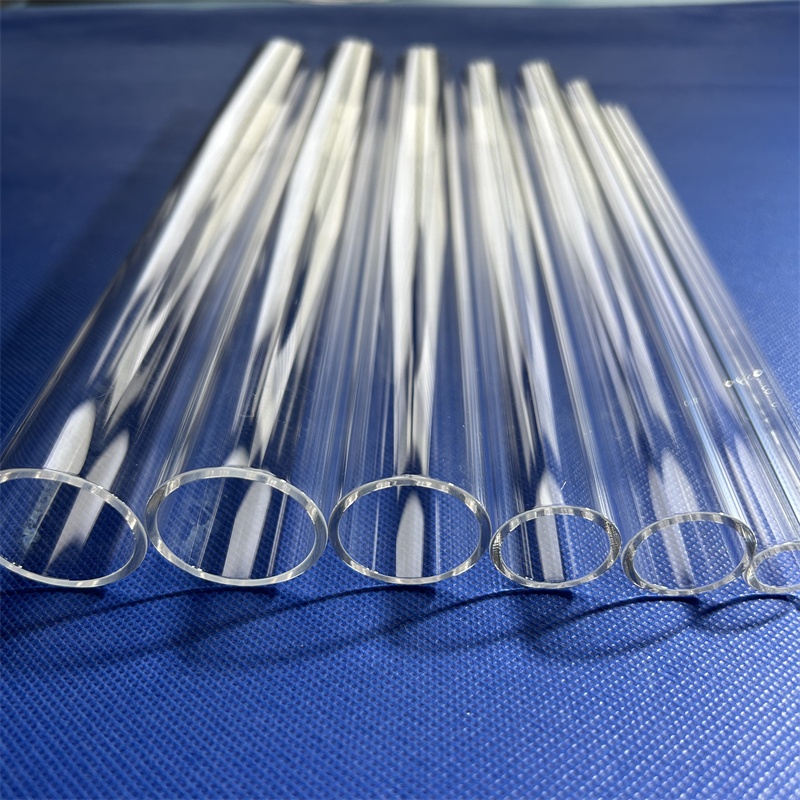
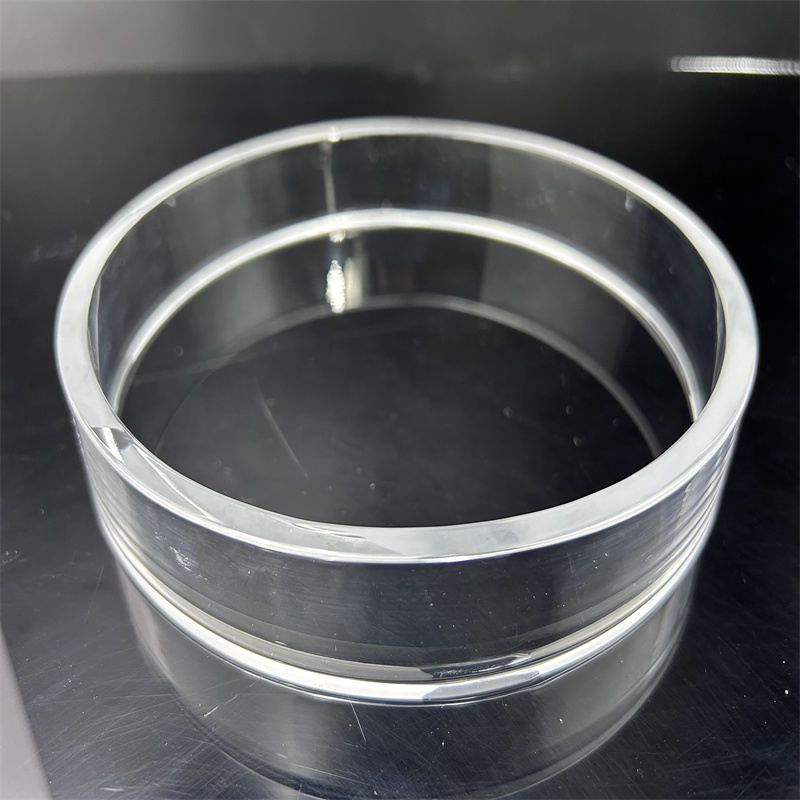
Every piece is precision fabricated in our Donghai crystal hub facilities using 99.99% high-purity SiO₂ fused quartz and optical silica, ready for direct international dispatch to Mexico City (CDMX) industrial facilities and academic institutions.

Comprehensive Material Metrology

Engineering Optical Quartz Lenses for Extreme Operating Envelopes

Optical lenses and windows manufactured from fused quartz (natural silicon dioxide) and fused silica (synthetic SiCl₄) represent the definitive benchmark for demanding optoelectronic, photonics, and thermal applications where standard optical crown glasses (such as N-BK7 or B270) experience mechanical failure, solarization, or optical defocusing.

In specialized applications serving the industrial corridor of the Valley of Mexico (Valle de México), our optical quartz components fulfill critical performance parameters. The near-zero coefficient of thermal expansion (5.5 × 10⁻⁷ /K between 20°C and 320°C) grants virtual immunity to thermal shock, enabling lenses to withstand instantaneous temperature gradients exceeding 1000°C without micro-fracturing or dimensional drift.

Zelvo high-purity optical fused quartz raw material and finished optics
Substrate Property / Parameter UV Synthetic Fused Silica (JGS1) Optical Fused Quartz (JGS2) IR Low-OH Quartz (JGS3) Standard Optical Glass (N-BK7)
Primary Transmittance Bandwidth 185 nm – 2500 nm (Deep UV to NIR) 220 nm – 2500 nm (Standard Optics) 260 nm – 3500 nm (Extended Mid-IR) 350 nm – 2000 nm (Visible Only)
SiO₂ Purity Grade ≥ 99.999% (Synthetic Precursor) ≥ 99.99% (Refined Donghai Crystal) ≥ 99.99% (Vacuum Degassed) Complex Silicate Matrix
Coefficient of Thermal Expansion (CTE) 5.5 × 10⁻⁷ /K 5.5 × 10⁻⁷ /K 5.4 × 10⁻⁷ /K 71 × 10⁻⁷ /K (13x Higher Expansion)
Refractive Index ($n_d$ @ 589.3 nm) 1.4585 1.4585 1.4584 1.5168
Laser Induced Damage Threshold (LDT) > 12 J/cm² (1064 nm, 10 ns pulse) > 7.5 J/cm² (1064 nm, 10 ns pulse) > 8 J/cm² (1064 nm, 10 ns pulse) < 3.5 J/cm² (Thermal Breakdown)
Continuous Thermal Resistance Limit 1100 °C 1100 °C 1150 °C 450 °C (Softens)
Typical Mexican Industrial Use Cases Excimer lasers, semiconductor wafers Laser cutting nozzles, sight glasses IR heating cassettes, pyrometry Low-power imaging assemblies
99.99%
SiO₂ Elemental Purity
1100°C
Continuous Thermal Ceiling
λ/10
Precision Wavefront Accuracy
≤ 2h
Technical Engineering Response
Targeted Regional Applications

Serving Mexico City's Advanced Engineering & Research Ecosystems

From high-throughput automotive manufacturing belts in the Estado de México to cutting-edge physics laboratories in southern CDMX, optical quartz components solve non-linear thermal, chemical, and atmospheric challenges.

High-Power Fiber Laser Cutting & Automotive Welding

Automotive Tier-1 and metal fabrication hubs situated around Tlalnepantla, Cuautitlán Izcalli, and the Toluca-Lerma corridor utilize multi-kilowatt fiber and CO₂ laser cutting machines. Our plano-convex fused silica focusing lenses and anti-reflective coated quartz cover slides withstand back-spatter, vaporized flux, and continuous multi-kilowatt thermal loading without exhibiting focus shift (thermal lensing).

Scientific Research, Astronomy & Synchrotron Physics

World-renowned academic departments—including the Instituto de Ciencias Físicas and Instituto de Astronomía at UNAM, as well as CINVESTAV Unidad Zacatenco—require custom UV-grade cylindrical lenses, vacuum viewport windows, and slotted XRD quartz sample plates. These components maintain total structural and optical stability inside high-vacuum spectroscopy systems.

Biomedical Instrumentation & Pharmaceutical Analytical Hubs

Mexico City's premier biomedical cluster concentrated in Tlalpan and Coyoacán demands spectrophotometer cuvettes, high-purity quartz ampoules, and quartz flow cells for laser-induced fluorescence (LIF) and chromatography. The zero-background fluorescence and high chemical inertness against concentrated organic solvents ensure uncorrupted analytical outcomes.

Electronics Assembly, SMT & Photolithography Inspection

Facilities in the Vallejo Industrial Zone and adjacent technology parks rely on high-intensity UV-C LED curing systems and optical projection lenses. Fused quartz permits deeper ultraviolet transmission down to 185 nm, enabling instantaneous photopolymerization and accelerated curing cycles on automated printed circuit board production lines.

High-Altitude Atmospheric & Thermal Dissipation Dynamics

Mexico City’s unique elevation (2,240 meters above sea level) results in reduced atmospheric pressure (~77.2 kPa) and thinner convective heat transfer environments. Laser heads and sealed optical housings run hotter than at sea level. Zelvo's fused silica lenses alleviate heat-induced refractive index shifting ($dn/dT$), preventing beam distortion across sustained multi-shift production.

Aerospace & High-Temperature Process Engineering

Connecting directly with tier suppliers serving the CDMX-Querétaro aerospace axis, our custom-machined quartz bell jars, diffusion furnace tubes, and infrared reflectors provide non-contaminating, high-temperature structural containment up to 1300°C for advanced composite autoclaving and CVD carbon fiber treatment.

Strategic Industrial Landscape

Nearshoring, USMCA Compliance & The Mexican Optics Revolution

The ongoing reconfiguration of global supply chains—widely recognized as the "Nearshoring Wave"—has transformed Greater Mexico City into a pivotal node for high-value precision manufacturing and quality inspection.

Under the USMCA (T-MEC) trade framework, Mexican manufacturing enterprises are aggressively upgrading automation levels to satisfy strict regional value content (RVC) rules. Machine vision cameras, automated optical inspection (AOI) gantries, and automated laser seam welding systems demand precision quartz optics that avoid solarization under high duty cycles.

Furthermore, environmental health regulations in Mexico City are steering water treatment and food processing facilities toward mercury-free and high-output UV-C quartz sleeve reactors. Zelvo Quartz supports Mexican OEMs by providing bespoke dimensional runs with custom flanges, O-ring groove grinding, and threaded end caps that drop directly into retrofit lines.
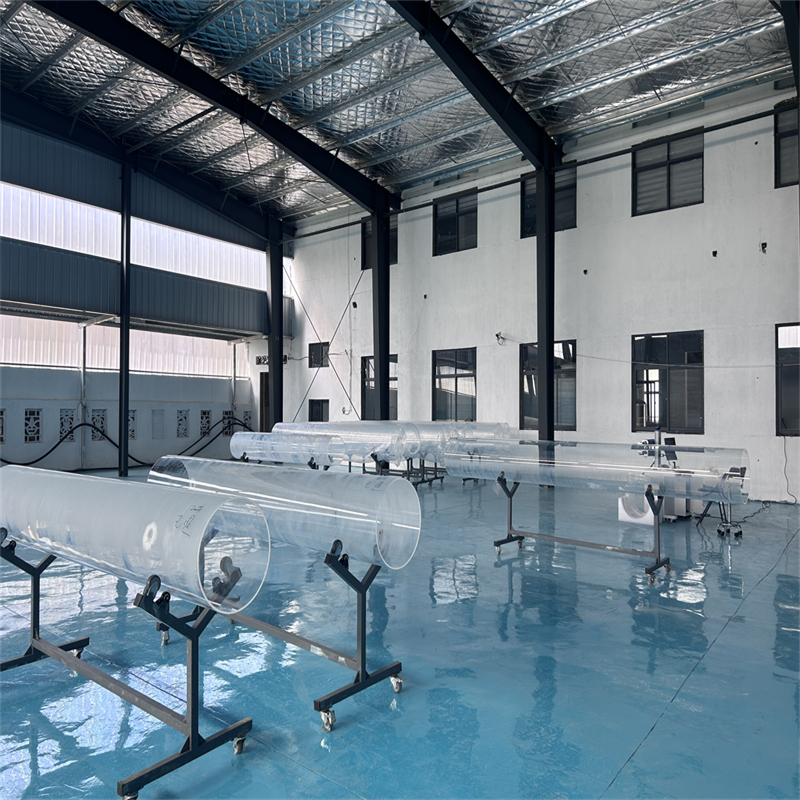
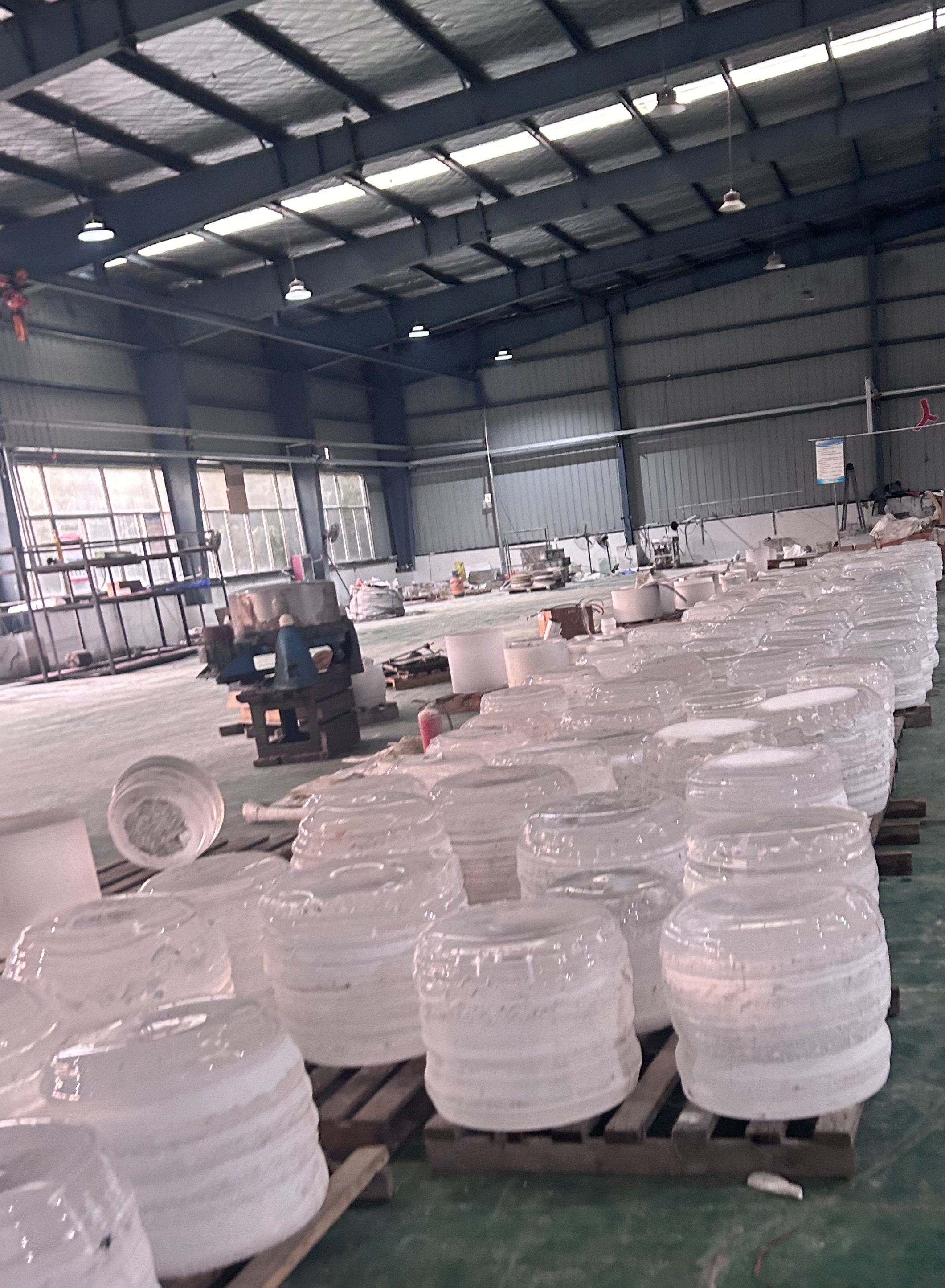
Zelvo Quartz manufacturing plant workshop in Donghai
Direct Manufacturer Capabilities

Why Mexican Industry Relies on Zelvo Quartz

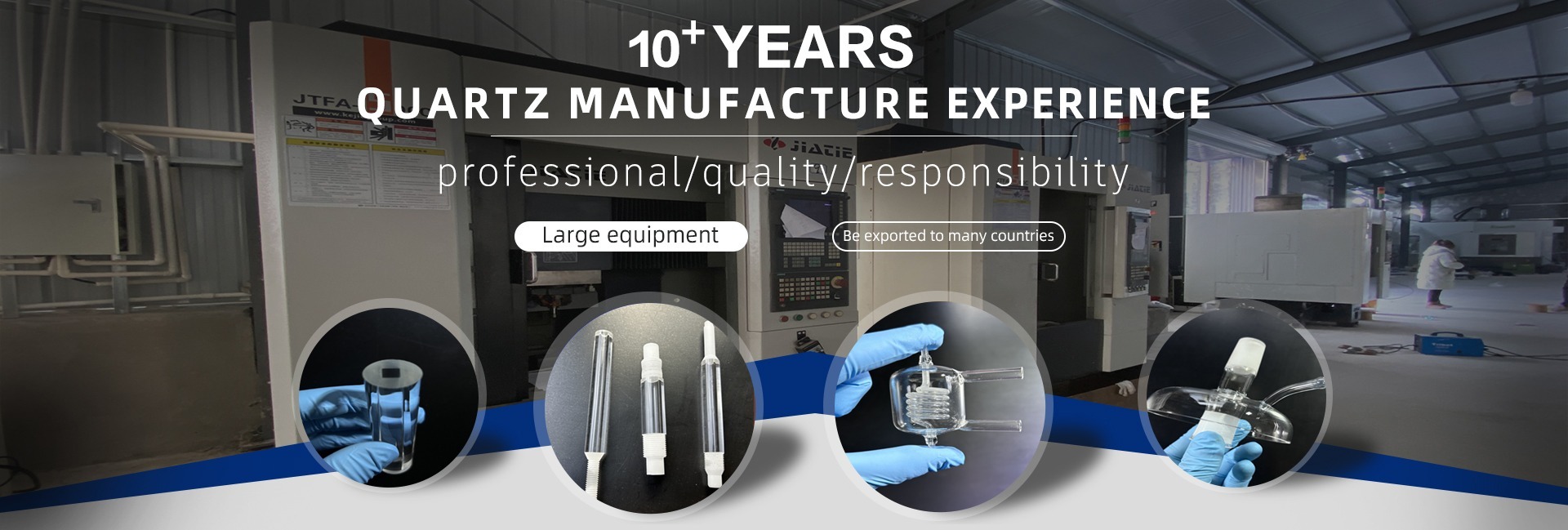
Headquartered in Donghai County—the globally recognized "Crystal Capital" of China—Zelvo Quartz integrates raw material purification, laser CNC finishing, and international logistics to deliver unmatched precision to Mexico City.

Crystal Capital Origin

Direct access to premium silica deposits in Donghai gives us complete control over chemical purity (≥99.99% SiO₂), ensuring our substrates are free of internal striae, seeds, and micro-bubbles that degrade laser beam quality.

Laser & Ultrasonic Micro-Machining

State-of-the-art 5-axis ultrasonic CNC milling, CO₂ laser cutting, precision hole drilling down to 0.2 mm diameter, and fine step-grooving allow us to fabricate tight geometric tolerances down to ±0.02 mm.

Drawing-Based 1-Piece MOQ

We respect research and development cycles. Mexican engineering teams, universities, and prototype developers can order single-piece custom builds without absorbing prohibitive re-tooling penalties.

Zero-Breakage Mexican Transit

Each optical element is encapsulated in multi-layer shock-absorbent expanded foam, vacuum sealed to resist maritime humidity, and encased in reinforced wooden export crates with shockwatch impact sensors.

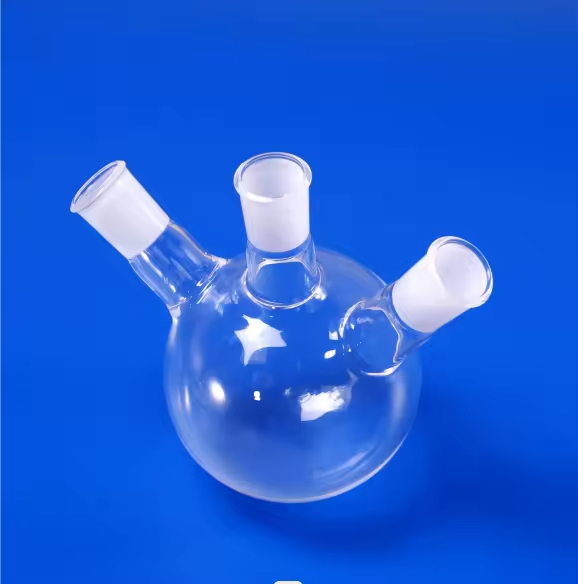
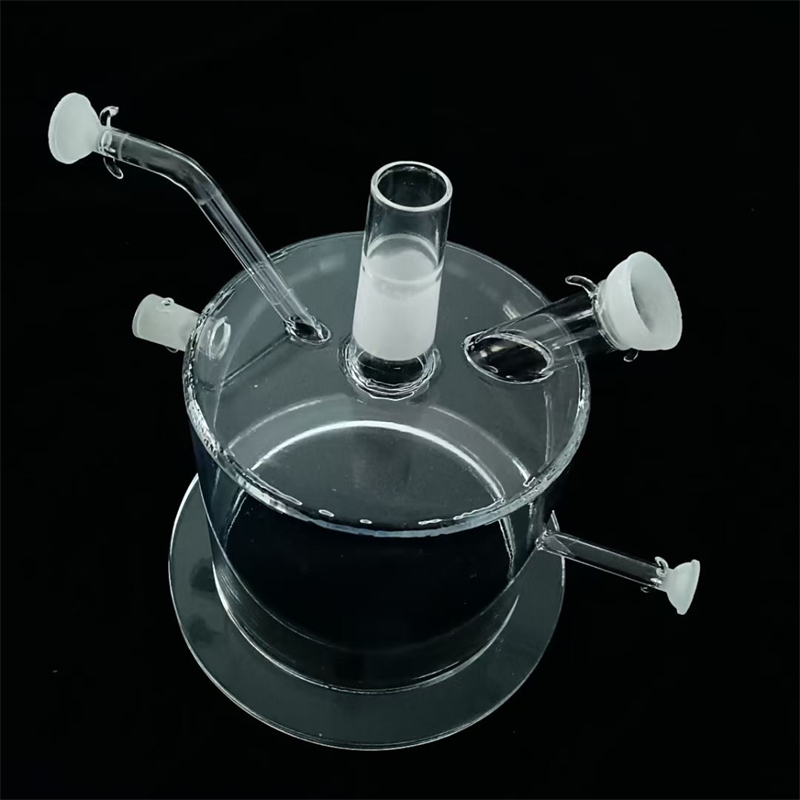
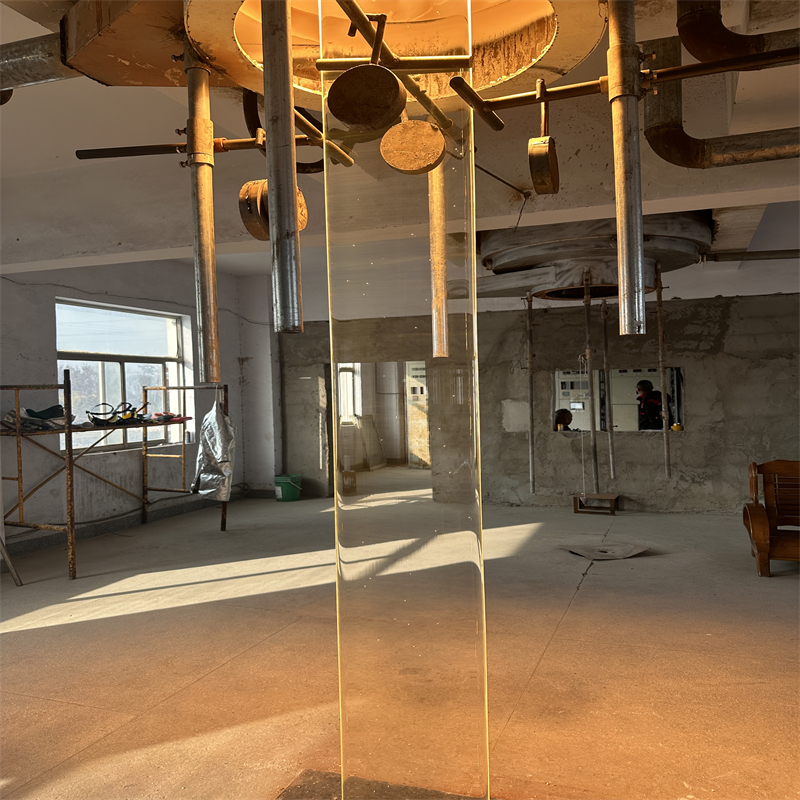
Quartz glass flame working and processing line at Zelvo
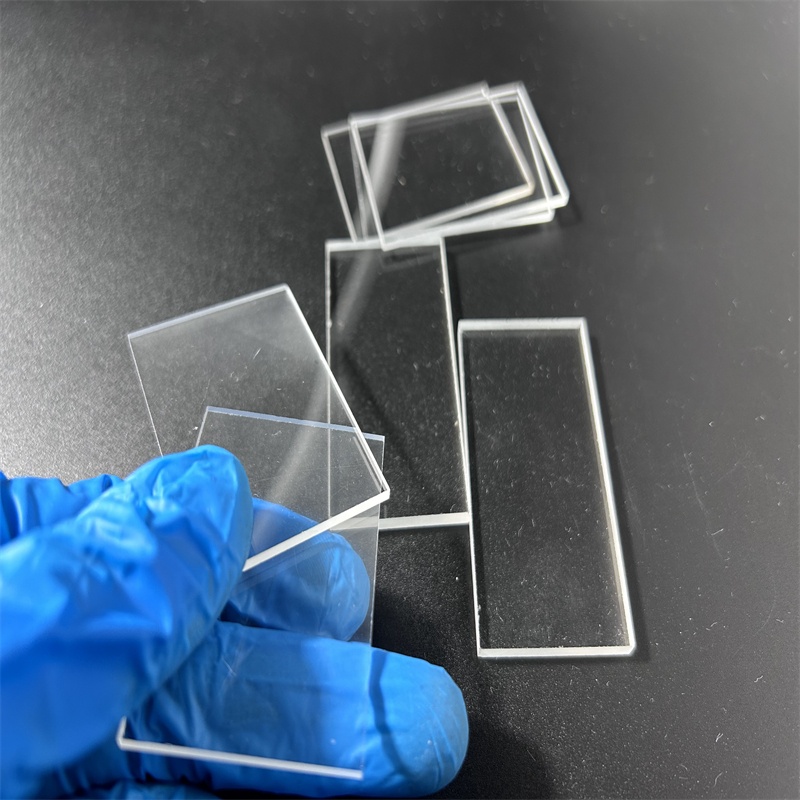
Quality control and interferometer inspection of finished quartz lab instruments
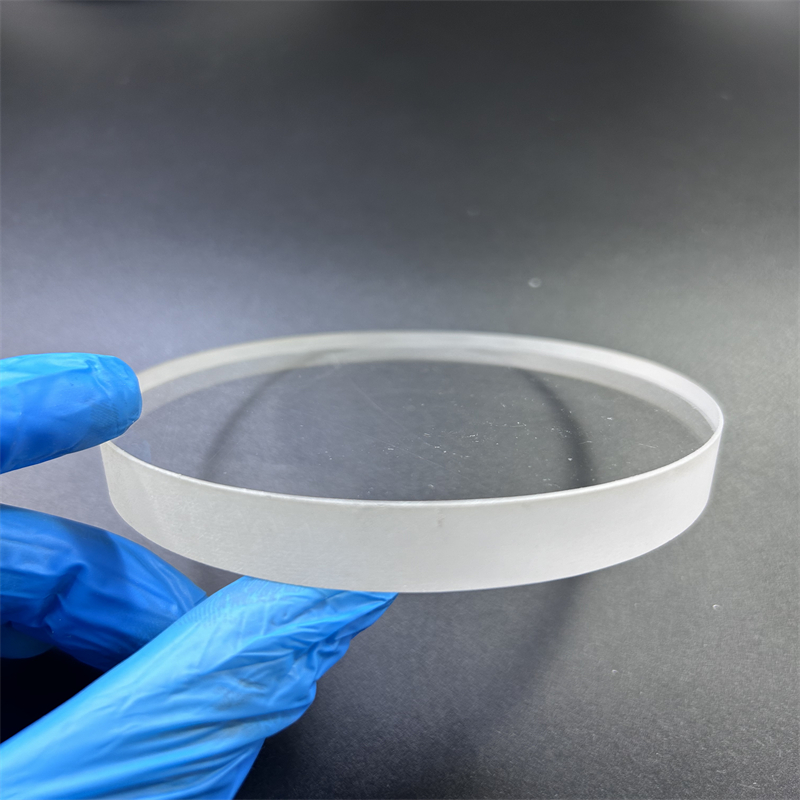
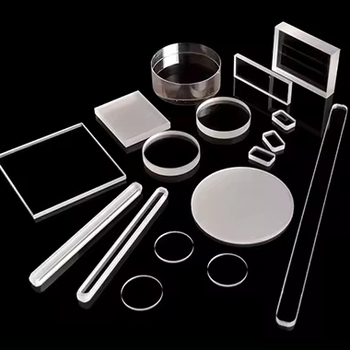
Finished precision optical quartz plate disc
Procurement & Engineering FAQ

Purchasing Optical Quartz Lenses in Mexico City

Answers to critical questions regarding Mexican customs importation (SAT/Aduanas), air cargo logistics to Benito Juárez International Airport (MEX), and technical material certifications.

What are the standard Mexican HS Codes (Fracción Arancelaria) and import documentation requirements?
Optical quartz lenses and optical fused silica plates entering Mexico are categorized under HS Code 9001.90.02 / 9001.90.99 (Optical elements of any material, unmounted) or HS Code 7017.10.00 (Laboratory, hygienic or pharmaceutical glassware, whether or not graduated or calibrated, of fused quartz or other fused silica). We provide complete Commercial Invoices with detailed English/Spanish material descriptions, Packing Lists with net/gross weights, and Certificates of Origin (COO) to facilitate smooth clearance through Mexican customs brokers (Agentes Aduanales) registered with SAT (Servicio de Administración Tributaria).
Can Mexican companies import directly under DDP (Delivered Duty Paid) terms to Mexico City?
Yes. If your company lacks an active Padrón de Importadores, we can arrange door-to-door express delivery under DDP (Delivered Duty Paid) terms to your facility in Mexico City, Naucalpan, or Cuautitlán via DHL, FedEx, or specialized air freight forwarders. Under DDP, all import duties (IGI), value-added tax (IVA 16%), and customs processing fees (DTA) are settled upfront, eliminating customs clearance bottlenecks at AICM (Aeropuerto Internacional Benito Juárez) or AIFA (Felipe Ángeles).
How does Mexico City's altitude and barometric pressure affect quartz optics and vacuum viewports?
Mexico City sits at an altitude of approximately 2,240 meters above sea level, where ambient air pressure is roughly 77.2 kPa (compared to 101.3 kPa at sea level). For vacuum chambers and sealed laser beam delivery conduits, the differential pressure across quartz viewports is lower, but convective thermal cooling is reduced by ~20%. Our engineers calculate minimum viewport thickness using Timoshenko plate deflection formulas to ensure mechanical safety factors (>4:1) while accounting for reduced convective heat dissipation in local laser installations.
What is the typical lead time for custom optical quartz components to reach Mexico City?
For standard raw blanks, tubes, and catalog optical discs, fabrication and polishing are completed within 5 to 7 business days. Custom CNC-machined, laser-drilled, or optical-coated lenses typically require 10 to 14 business days. Air express courier transit from Shanghai (PVG) to Mexico City (MEX/NLU) takes approximately 4 to 6 business days, enabling total turnaround times under three weeks for urgent prototype replacement.
What optical testing, surface quality certifications, and reports accompany each shipment?
Every precision optical batch undergoes strict metrological verification prior to packaging. We supply comprehensive inspection documentation, including Zygo laser interferometer surface flatness profiles (λ/4 or λ/10 verification), optical spectrophotometer transmission curves (190 nm – 3000 nm), coordinate measuring machine (CMM) dimensional reports, and MIL-PRF-13830B certified surface quality inspections (scratch-dig ratings of 40-20 or 20-10 upon request).
Which currencies and payment channels do you support for Mexican enterprise procurement?
We accept international wire transfers in US Dollars (USD) and Euros (EUR) via SWIFT/BIC. For initial sample runs, evaluation prototypes, and fast-track orders, we also support credit card processing, PayPal, and international escrow arrangements. Formal commercial quotes include full banking coordinates and tax identification numbers for corporate accounting integration under Mexican SAT fiscal validation protocols.

Request a Precision Engineering Review for Your Mexico City Facility

Submit your 2D/3D CAD drawings (STEP, DXF, PDF), material specifications, and tolerance requirements. Our senior optical fabrication engineers will analyze feasibility, recommend optimal quartz grades, and return a comprehensive quotation within 2 hours.