Precision Fused Quartz Chambers & Laboratory Ware
Manufactured in our Donghai crystal processing base with CNC flame-welding, laser micro-drilling, and sub-micron optical annealing. Fully configurable to DIN/ISO cleanroom vacuum standards.
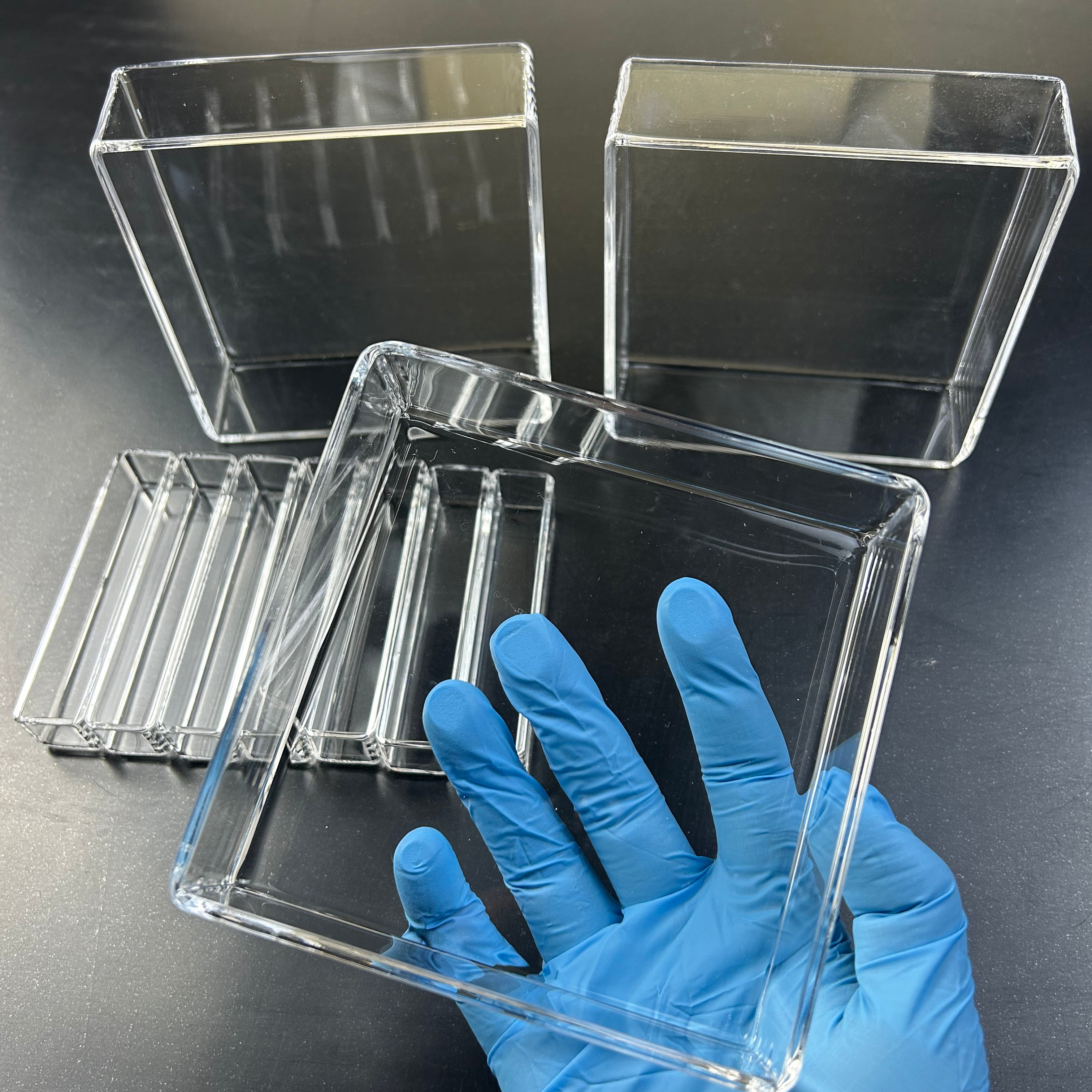
Customized Fused Quartz Glass High-Temperature Cylinder Crucible Tank
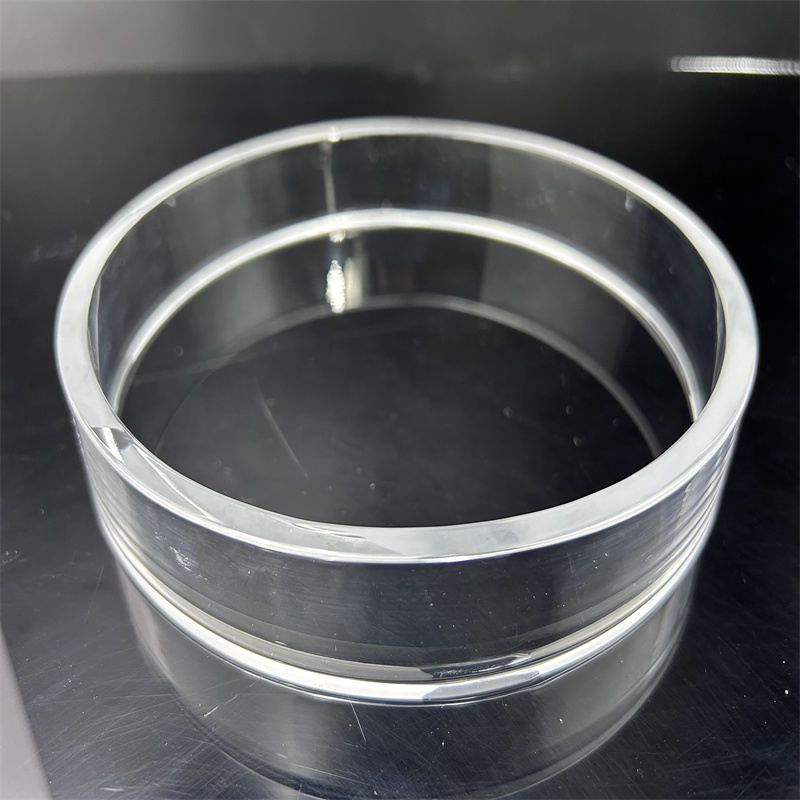
Customizable High Transparent Corrosion-Resistant Fused Quartz Bell Jar

High-Temperature Fused Quartz Glass Sheet for XRD Slotted Carrier
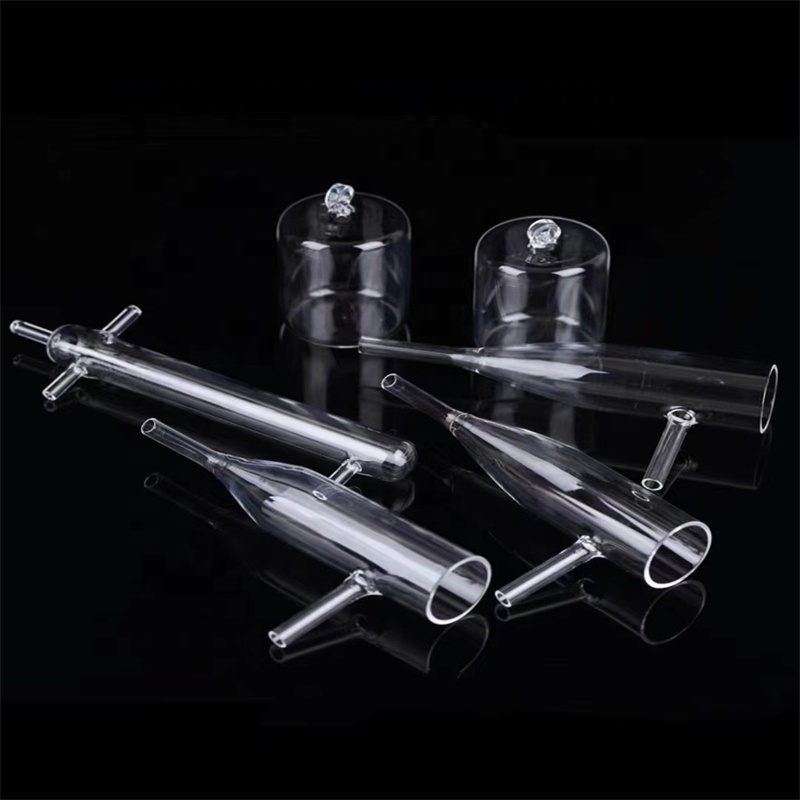
Clear Laboratory Twin Tube 99.99% Quartz Tube for CVD Vacuum Furnaces
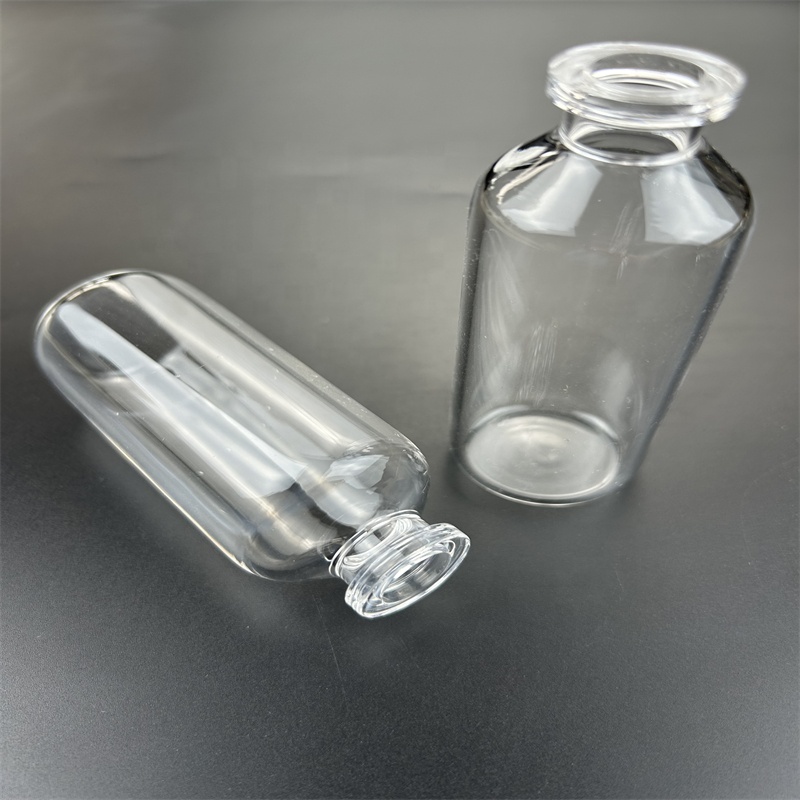
High-Pressure Corrosion-Resistant Transparent Ozone-Free Quartz Ampoules
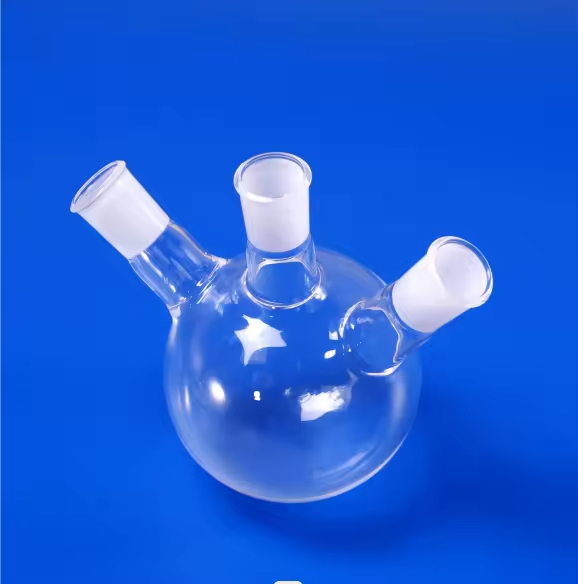
High-Temperature Quartz Glass Twin Tube Bottom Reaction Flask
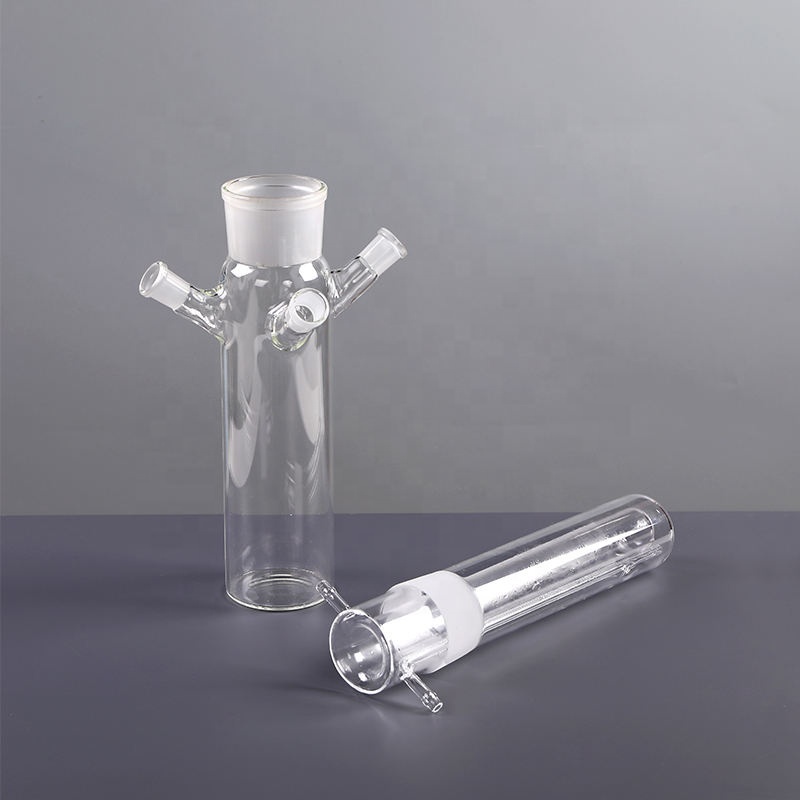
High-Purity Quartz Glass Photocatalytic Degradation Reactor Container
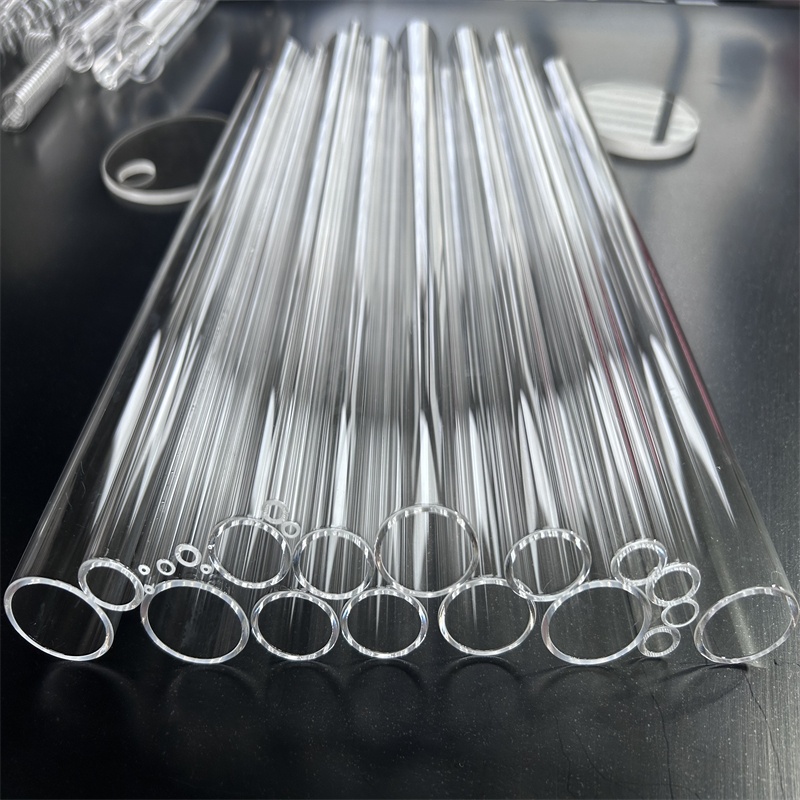
Clear 99.99% Pure Fused Quartz Twin Tube with Custom Bending/Welding
High-Purity Fused Quartz Bell Jars in Sub-Torr Vacuum Dynamics
A technical treatise on structural thermo-mechanics, impurity cross-contamination prevention, and dimensional stability for ultra-clean industrial vacuum systems.
In high-vacuum thermal evaporation, plasma-enhanced chemical vapor deposition (PECVD), and molecular beam epitaxy (MBE), the mechanical integrity and chemical passivity of the process envelope dictate thin-film quality. For advanced R&D centers in Oslo and Eastern Norway, the transition toward sub-10 nm lithography research and high-power GaN/SiC wide-bandgap semiconductors requires vacuum bell jars that maintain structural stability under negative pressure while mitigating volatile outgassing.
Standard borosilicate glass suffers from thermal expansion coefficients of approximately 3.3 × 10⁻⁶ K⁻¹ and softens well below 600°C. In contrast, fused quartz (amorphous silicon dioxide, SiO₂) manufactured by Zelvo Quartz delivers an exceptionally low linear coefficient of thermal expansion (CTE) of 5.5 × 10⁻⁷ K⁻¹ between 20°C and 1000°C. This nearly negligible expansion gradient allows our quartz glass bell jars to withstand severe thermal cycling—such as an instantaneous water quench from 1100°C without mechanical rupture or micro-crack propagation.
Furthermore, under high vacuum (10⁻⁶ to 10⁻⁹ Torr), trace alkali metal contamination within the quartz matrix can act as donor/acceptor traps in semiconductor architectures. Our refined thermal electric-arc fusion ensures trace impurities of lithium (Li), sodium (Na), and potassium (K) are restricted to below 0.3 ppm, while transition elements such as copper (Cu) and iron (Fe) remain strictly under 0.1 ppm. This level of purity ensures that under continuous 900°C bakeout regimes, zero volatile metallic ions migrate across the vapor phase into sensitive silicon or perovskite substrates.
| Material Classification | SiO₂ Purity (%) | Hydroxyl [OH⁻] Content | Continuous Working Temp | Strain / Annealing Point | Typical Vacuum Compatibility |
|---|---|---|---|---|---|
| Zelvo Semi-Grade Fused Quartz (JGS2) | ≥ 99.995% | < 30 ppm | 1150 °C | 1120 °C / 1215 °C | Ultra-High Vacuum (10⁻⁸ Torr) |
| Optical Deep-UV Fused Silica (JGS1) | ≥ 99.999% | < 5 ppm (Dehydroxylated) | 1200 °C | 1140 °C / 1230 °C | Extreme High Vacuum (10⁻¹⁰ Torr) |
| Standard Industrial Quartz (JGS3) | ≥ 99.95% | 150 – 200 ppm | 1050 °C | 1075 °C / 1180 °C | Medium Vacuum (10⁻³ Torr) |
| Borosilicate 3.3 Glass (Reference) | ≈ 81.0% | N/A (Multi-component) | 450 °C | 510 °C / 560 °C | Rough Vacuum (10⁻¹ Torr) |
Tailored Quartz Applications for Oslo's Advanced Industries
From the cleanroom complexes of Gaustadbekkdalen to subsea testing corridors in the Oslofjord, precision quartz provides uncompromised chemical inertness and extreme temperature tolerance.
Micro- & Nanotechnology Labs (MiNaLab)
Oslo’s premier collaborative facility (University of Oslo & SINTEF) relies on high-purity quartz bell jars for sputter coater chambers, thermal oxidation processes, and metal-evaporator lift-off techniques where particulate control down to Class 100 cleanroom levels is required.
Green Hydrogen & Electrolysis Catalysis
Institutes across Kjeller and Greater Oslo investigating photocatalytic water splitting and proton-exchange membrane (PEM) coatings deploy our customized internal illumination reactors and UV-transmissive fused quartz tubes for degradation kinetics observation.
Subsea Optical Sensing & Ocean Tech
Suppliers in the maritime corridor south of Oslo utilize heavy-wall fused quartz cylinder tanks and pressure-resistant sight ampoules to test deep-water sensor optics against hypersaline corrosion, high hydrostatic pressure, and broad thermal swings.
Aerospace Thermal-Vacuum (TVAC) Chambers
Norwegian aerospace research clusters running satellite component validation use custom flanged fused quartz bell jars to monitor outgassing, cryogenic thermal shock cycles, and solar radiation simulation through high UV transmittance windows.
Battery Materials & Solid-State Chemistry
R&D groups focusing on next-generation cathode synthesis in Oslo Science City utilize sealed fused quartz crucibles and twin-bore CVD reaction vessels to execute air-sensitive, high-temperature calcination free from silica-metal cross-reactions.
Biomedical Spectrophotometry
Life-science labs connected with Oslo University Hospital (Rikshospitalet) leverage our optical-grade UV quartz plates and precision ampoules for high-throughput biomolecular fluorescence analysis, guaranteeing 92% transmission in the 200–400 nm UV spectrum.
Oslo's Deep-Tech Paradigm Shift & Cleanroom Procurement Trends
How the Nordic green industrial revolution and the establishment of Oslo Science City are transforming technical specifications for experimental quartz glass.
The innovation landscape in Eastern Norway is experiencing an unprecedented structural upgrade. Driven by the Oslo Science City initiative—Norway’s first formal innovation district covering 1.4 million square meters—academic and private research infrastructure is converging around micro-optics, renewable energy conversion, and life sciences. This geographic consolidation has created a sharp shift in the procurement requirements for high-purity glass consumables.
Traditionally, Scandinavian research facilities procured small quartz labware via intermediate pan-European lab supply distributors. However, modern multi-wafer deposition tools, specialized plasma-etching geometries, and unique XRD slotted sample chambers demand direct-from-factory customization. Technical buyers in Oslo now require:
- Rapid Custom Prototyping (MOQ 1 Piece): Fast iteration of non-standard bell jar flanges (Viton O-ring groove vs. knife-edge copper gasket) without punitive tooling premiums.
- Direct Analytical Traceability: Mandatory delivery of Inductively Coupled Plasma Mass Spectrometry (ICP-MS) purity documentation to satisfy stringent Norwegian cleanroom QA protocols.
- Decarbonized Supply Chain Resiliency: High-efficiency electric furnace fusion and lean packaging methodologies that align with Nordic corporate sustainability audits (ESG).
By connecting directly with Zelvo Quartz in Donghai—the world's foremost crystalline quartz extraction and processing territory—Oslo engineering teams bypass intermediary markup, gain direct technical communication with glass-blowing masters, and compress production lead times from months down to 7–12 working days.
Why Oslo Engineers Partner with Zelvo Quartz
Combining the natural mineral abundance of China's "Crystal Capital" with advanced CNC laser machining and German-standard annealing furnaces.
Geographic Cluster Advantage
Situated in Donghai County, Jiangsu, we source the highest grade natural silica sands directly, delivering continuous 99.99% purity while dramatically lowering raw material cycle costs.
Micro-Fabrication Suite
Our workshop houses CNC 5-axis laser cutting, ultrasonic precision drilling, high-temperature quartz lathe blowing, and optical lapping tables capable of flatnesses to λ/4.
100% Pre-Shipment Inspection
Every bell jar and tube assembly undergoes laser dimensional tolerance checks (±0.05 mm), strain gauge polariscope stress detection, and leak testing before wooden crating.
Direct Oslo DDP Freight Logistics
We handle Norwegian customs clearance (Tolletaten), import declarations, and air express logistics via Oslo Gardermoen (OSL) with custom multi-layer foam suspense crating.
Frequently Asked Questions by Oslo Buyers
Essential guidance on importing custom quartz glass to Norway, cleanroom certification, and customized drawing parameters.
How do you guarantee transit safety when shipping fragile quartz bell jars to Oslo?
Can Zelvo Quartz fabricate vacuum bell jars directly from CAD / STEP drawings?
What are the customs duty and import tax implications for Norwegian organizations?
What is the typical lead time for custom quartz bell jars delivered to Eastern Norway?
Can you provide custom ground sealing flanges or ports for vacuum sensors?
What certifications and chemical purity documents accompany shipments?
Need a Precision Quartz Bell Jar or Custom Reaction Chamber?
Share your CAD drawing, target dimensions, or vacuum operating conditions with our engineering department. Receive a comprehensive feasibility review and transparent factory quotation within 2 hours.