Precision Quartz Blocks, Tubes & Optical Components
Manufactured from ultra-pure natural and synthetic silica (SiO₂ ≥ 99.99%) under stringent cleanroom protocols. Suitable for high-temperature kilns, chemical reactors, semiconductor processes, and optical inspection windows.
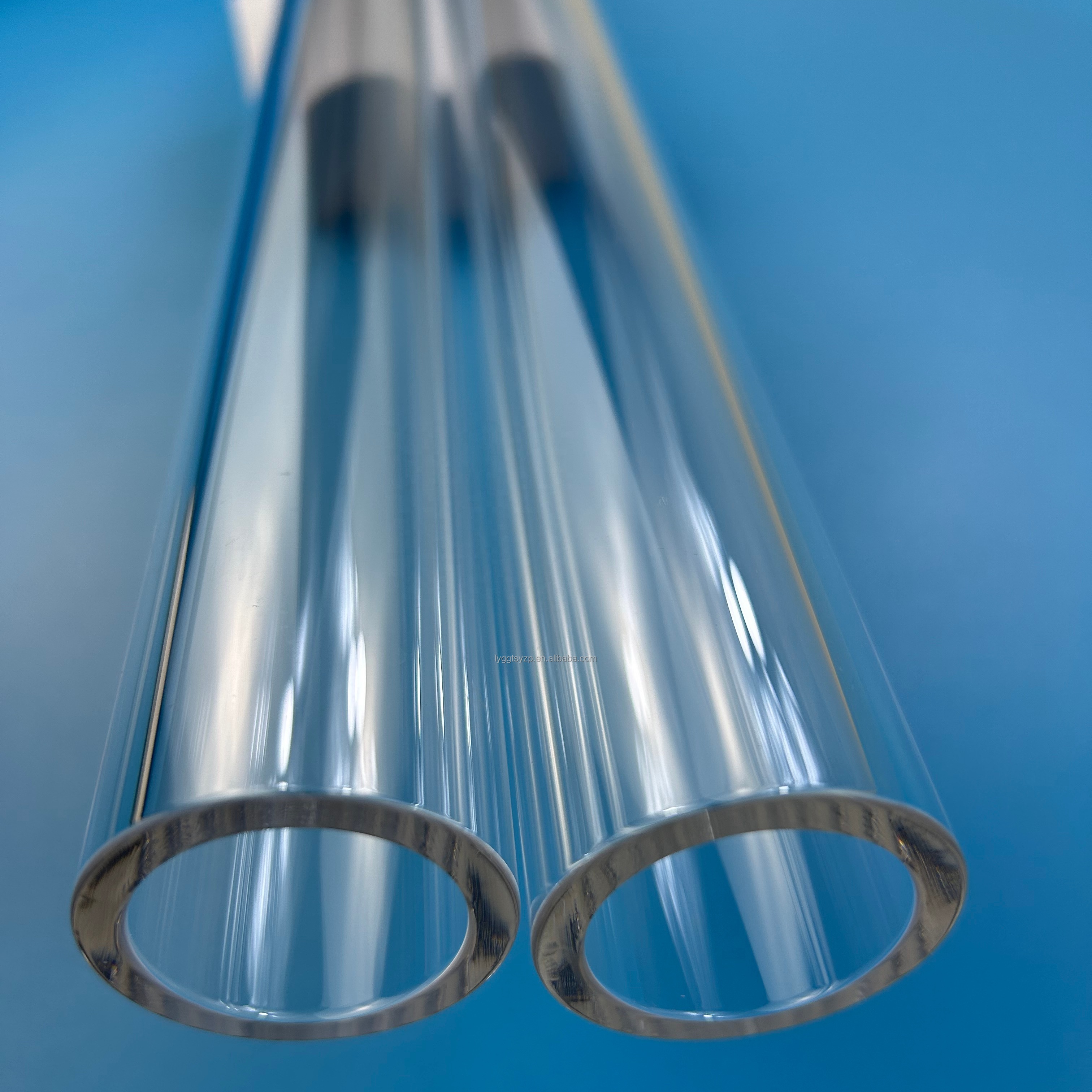
Polished Clear Quartz Twin Tube Ozone Free Heater Chemical Lab Equipment Semiconductor Furnace Tubes Welding Moulding Bending
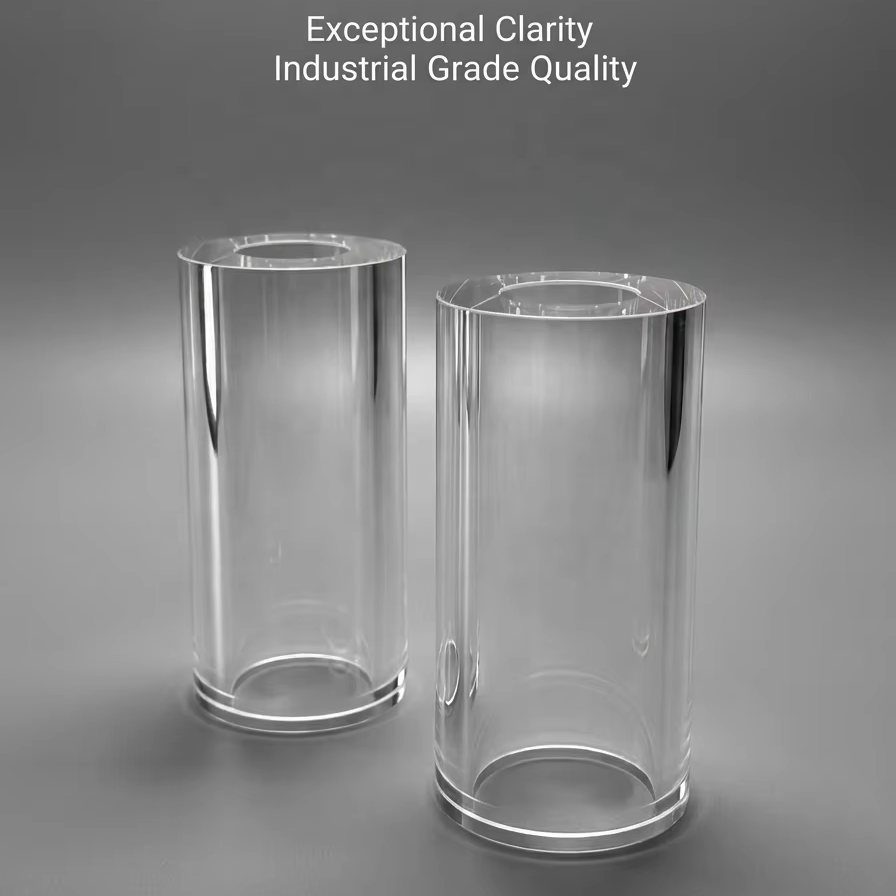
Factory Custom Both Ends Polished High Purity Transparent Quartz Twin Tube Bending Moulding Welding Cutting Capabilities
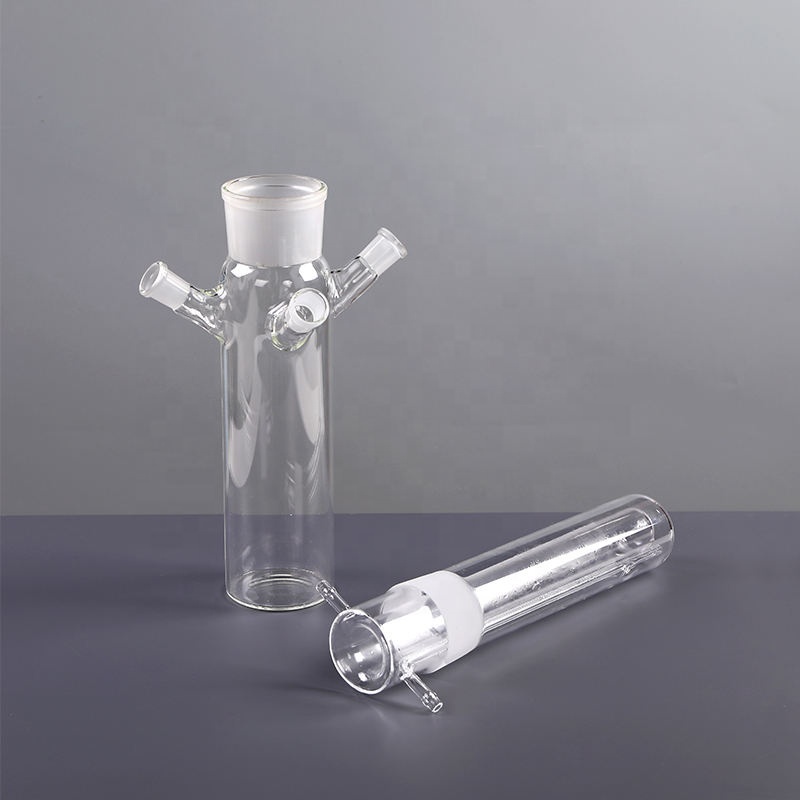
Customized High-purity Quartz Glass Reactor Container Bending Moulding Photocatalytic Degradation Internal Illumination Welding
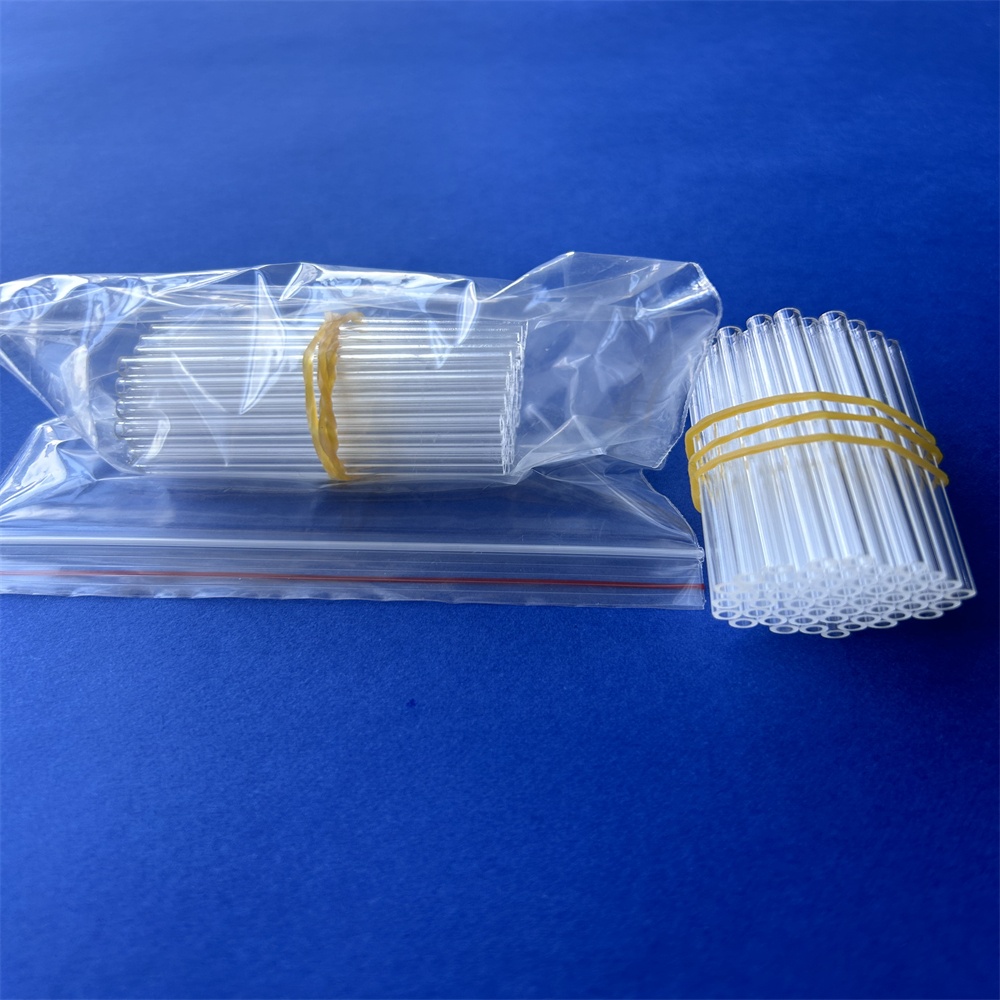
Small Diameter 0.1-20mm High Temperature Resistant 99.99% Pure Quartz Capillary Tube Cutting Bending Welding Services Ozone Free
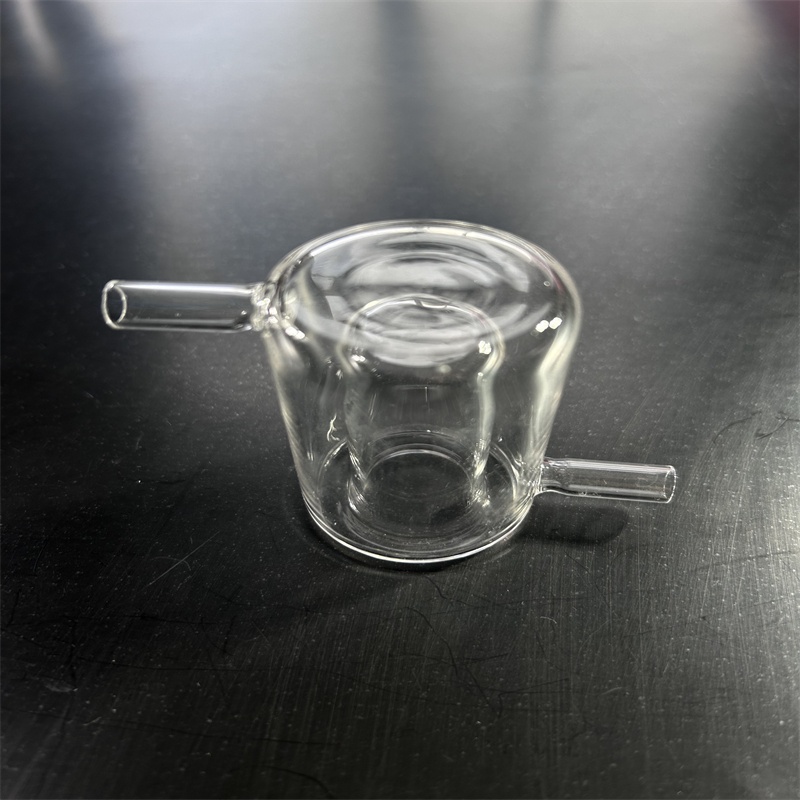
Custom 99.99% Pure Ozone Free High Temperature Resistant Quartz Glass Reactor Twin Tube Bending Welding Services for Laboratory
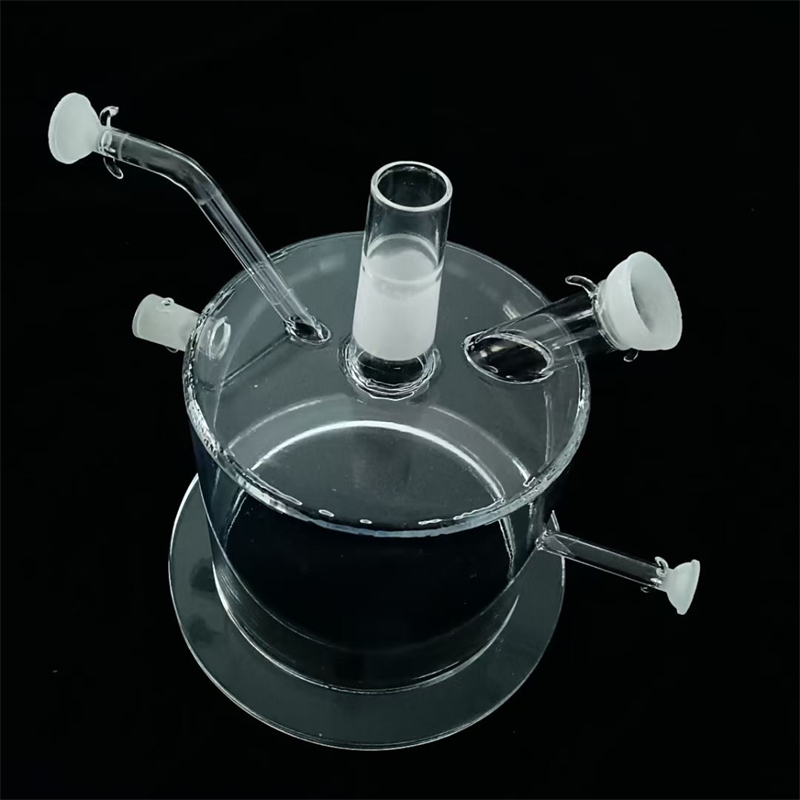
Customized High Pressure Clear Quartz Glass Tube Bending/Welding/Cutting 99.99% Pure Quartz Ozone Free Polished Surface
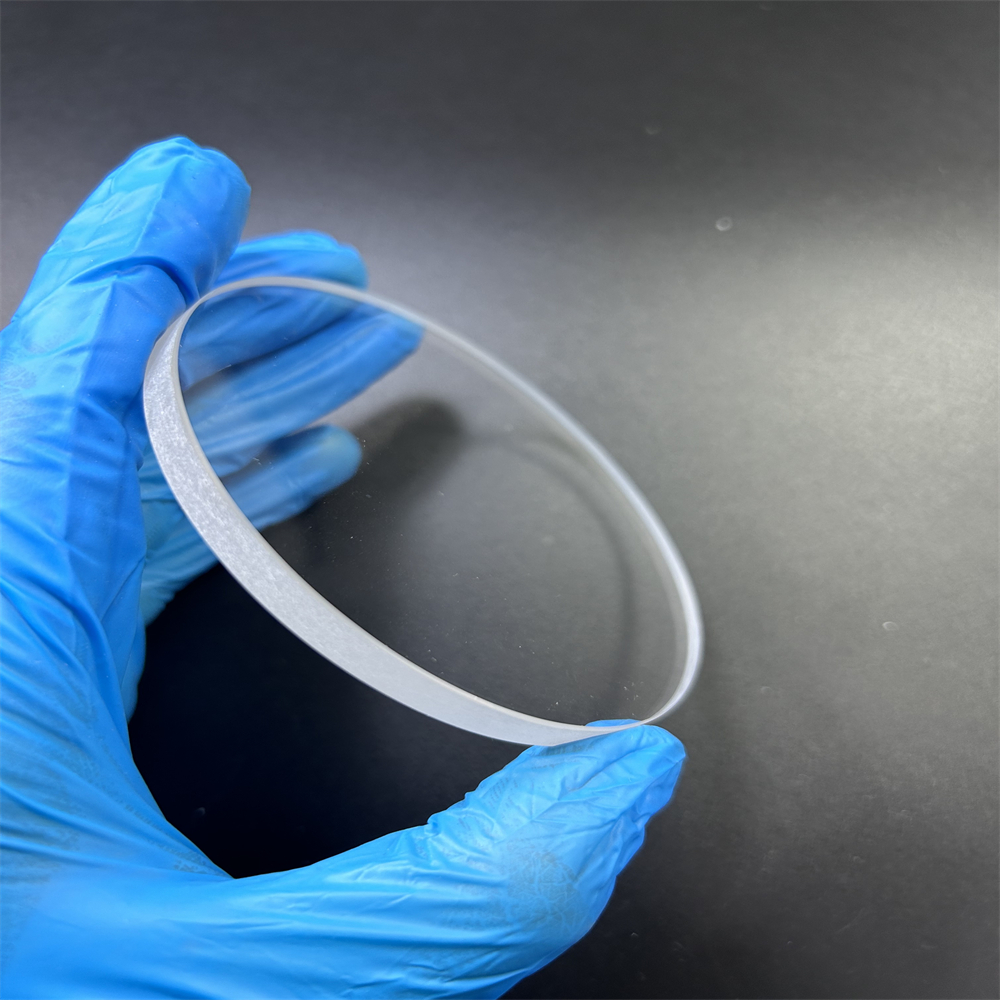
High Pressure Fused Silica Quartz Glass Wafer Transparent UV Sheet High Precision Cutting Custom Sizes Optical Welding
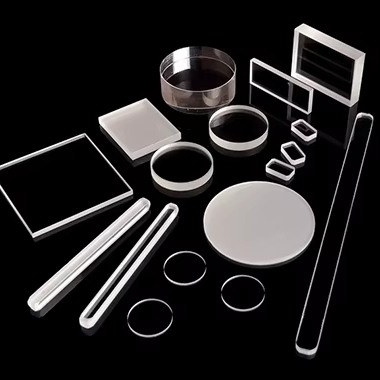
Custom Size High Temperature Fused Transparent Quartz Glass Optical Grade Test Sample Sheet Welding Cutting Processing Service
Structural Metallurgy & Optical Integrity of Industrial Quartz Glass Blocks
An authoritative analysis on high-purity amorphous SiO₂ block selection for industrial processing facilities in western Nicaragua.
In modern industrial manufacturing and high-temperature thermodynamics, standard borosilicate or soda-lime glass formulations fail rapidly under severe thermal shocks, aggressive acidic vaporization, and high-frequency mechanical vibrations. For procurement directors, maintenance engineers, and plant operators in the Masaya industrial area and the greater Managua metropolitan corridor, securing verified fused quartz glass blocks and custom-machined quartz components is essential to maintaining operational uptime, optical clarity, and structural safety.
Fused silica and fused quartz represent the pinnacle of single-component glass technology. Composed of over 99.99% amorphous silicon dioxide, quartz glass exhibits an exceptionally low coefficient of thermal expansion (5.5 × 10⁻⁷ /K), which is roughly one-tenth that of common window glass. This near-zero expansion coefficient allows a heated quartz block at 1100°C to be submerged directly into ice water without micro-fracturing or catastrophic failure—a mechanical property critical for inspection windows in geothermal steam taps, combustion furnace viewports, and high-pressure chemical digestion vessels throughout Nicaragua.
When specifying quartz glass blocks for engineering applications, distinguishing between Synthetic Fused Silica (JGS1), Optical Grade Fused Quartz (JGS2), and Thermal Grade Transparent Fused Quartz (JGS3) is paramount:
- JGS1 (Far UV Optical Grade): Synthesized via chemical vapor deposition (CVD) of pure silicon tetrachloride (SiCl₄) in an oxy-hydrogen flame. Characterized by negligible metallic impurities (<1 ppm) and zero absorption bubbles, JGS1 offers unrivaled deep-ultraviolet transmission from 185 nm to 2500 nm, making it the premier choice for laser prisms, UV disinfection inspection windows, and lithography optics.
- JGS2 (Standard Optical Fused Quartz): Smelted from premium Donghai natural crystal sand under strict inert gas or vacuum fusion. JGS2 exhibits continuous transmittance across the visible and near-infrared spectra (220 nm to 2800 nm), optimal for sight glass blocks, furnace viewing ports, and analytical spectroscopy sample cells.
- JGS3 (Infrared Grade Fused Quartz): Melted via electric vacuum furnace processes to achieve an exceptionally low hydroxyl (OH⁻) content (<5 ppm). This eliminates the 2.73 µm water absorption band, providing maximum thermal insulation, high mechanical load capacity, and unobstructed infrared radiation transfer up to 3500 nm.
| Physicochemical Parameter | JGS1 Synthetic Silica | JGS2 Optical Fused Quartz | JGS3 IR Electric Melt Quartz | Borosilicate Glass 3.3 (Benchmark) |
|---|---|---|---|---|
| SiO₂ Purity (%) | ≥ 99.999% | ≥ 99.99% | ≥ 99.99% | ~80.5% (with B₂O₃, Na₂O) |
| Continuous Operating Temp | 1150 °C | 1100 °C | 1150 °C | 450 °C |
| Short-Term Max Exposure | 1350 °C | 1300 °C | 1350 °C | 500 °C |
| Thermal Expansion (20-300°C) | 5.4 × 10⁻⁷ /K | 5.5 × 10⁻⁷ /K | 5.5 × 10⁻⁷ /K | 32.5 × 10⁻⁷ /K |
| Softening Point | 1730 °C | 1683 °C | 1710 °C | 820 °C |
| Spectral Window | 185 nm – 2500 nm | 220 nm – 2800 nm | 260 nm – 3500 nm | 320 nm – 2200 nm |
| Hydroxyl (OH⁻) Concentration | ≈ 800 - 1200 ppm | ≈ 150 - 200 ppm | ≤ 5 ppm | Variable |
| Chemical Acid Resistance | Inert (Except HF/H₃PO₄) | Inert (Except HF/H₃PO₄) | Inert (Except HF/H₃PO₄) | Moderate (Attacked by alkalines) |
Quartz Glass Application Scenarios in the Masaya Market
Bridging traditional manufacturing heritage with advanced thermal engineering across Masaya, Granada, Tipitapa, and Managua.
Ceramic & Refractory Kiln Sighting Blocks
Masaya is widely celebrated as the artisanal and ceramic capital of Nicaragua. As local brickworks, decorative ceramic studios, and high-temp artisan kilns transition toward pressurized gas and electric heating chambers, conventional mica and tempered sight windows disintegrate. High-thickness fused quartz blocks withstand flame impingement up to 1200°C, offering thermal isolation and optical transparency for pyrometric scanning.
Geothermal Energy Steam Sight Glasses
Flanked by the active Masaya volcanic complex and regional geothermal generation belts, local power engineers face hyper-corrosive, superheated steam loaded with H₂S and silicates. Our high-pressure quartz blocks and polished flange viewports resist acidic chemical vapor condensation and pressure fluctuations up to 15 MPa without mechanical embrittlement.
Agro-Industrial & Distillation Flow Chambers
The agricultural basin connecting Masaya to Granada processes sugarcane derivatives, specialty spirits, and coffee extracts. In inline sterilization lines and distillation columns, heavy-duty quartz tubes and optical inspection blocks allow precise refractometric sugar-content testing and UV-C germicidal water treatment without leaching chemical impurities.
Water Clarification & Photochemical Remediation
Municipal water treatment initiatives and industrial wastewater facilities in the Lake Masaya and Tipitapa drainage systems deploy our photocatalytic quartz reactor vessels and twin-bore UV immersion tubes. High UV transmittance ensures maximum photo-oxidation efficiency for organic compound degradation.
Analytical Testing & Research Laboratories
Academic institutions and quality assurance labs across Western Nicaragua rely on Zelvo BET quartz sample bulbs, quartz crucibles, and customized spectroscopic quartz cells for trace mineral assaying, soil fertility analysis, and pharmaceutical purity verification free from background trace-element contamination.
Industrial Heating & Patio Heater Infrared Systems
Tourism and hospitality venues in Catarina, Masaya Volcano National Park, and luxury lakeside resorts utilize high-strength transparent quartz twin-tubes and patio heating conduits. Offering 95% infrared heat transfer efficiency, these shockproof quartz sleeves provide total safety against ambient tropical rains.
Emerging Supply Trends in the Central American Quartz Ecosystem
Key economic and industrial developments steering quartz material selection across Nicaragua and regional free trade zones.
Transition to Precision Thermal Glass
Historically, Central American manufacturing hubs relied heavily on generic imported borosilicate tubing for high-heat applications. However, repeated failures caused by thermal shock and cyclical cooling stresses in continuous casting lines and modern kilns have compelled Masaya facility engineers to adopt 99.99% fused silica. Despite higher initial raw material specifications, fused quartz delivers a 300% longer lifecycle, significantly lowering lifetime downtime and replacement overhead.
Stricter Environmental & Sanitary Compliance
With Nicaraguan food, beverage, and medical packaging operations aligning with international sanitary standards (such as FDA and ISO requirements), production lines cannot afford glass leaching or heavy metal traces (e.g., Boron, Arsenic, Lead). High-purity fused quartz remains chemically inert across virtually all biological matrices and strong acids, ensuring zero cross-batch contamination during pharmaceutical synthesis and food essence extraction.
Growth in Tailored Drawing-Based Fabrication
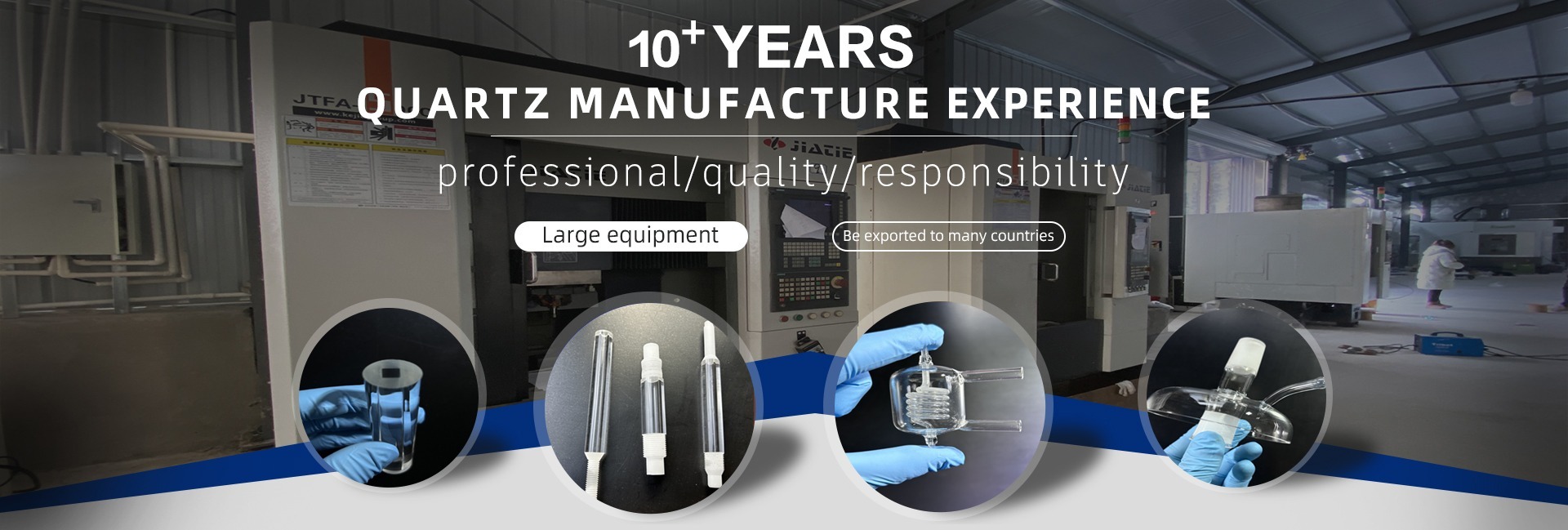
Standard off-the-shelf catalog glass sizes rarely fit legacy furnace retrofit ports or specialized university research assemblies. Regional buyers increasingly demand exact CAD-driven custom machining: 5-axis CNC contour milling, laser micro-drilling (Ø 0.1 mm tolerances), flame-welded flanged joints, and custom ground bevels. Suppliers capable of turning rapid 2D/3D technical schematics into physical prototypes are capturing substantial market loyalty.
Direct Sourcing via Optimized Trans-Pacific Logistics
Central American industrial buyers are bypassing costly North American middlemen by sourcing directly from primary manufacturing clusters in China, notably Donghai County. Leveraging express ocean lanes directly into the Port of Corinto, supported by robust DDP customs clearing and shock-isolated export packaging, local procurement managers can trim total material acquisition costs by up to 35% without compromising raw material authenticity.
Lianyungang Zelvo Quartz Products Co., Ltd.
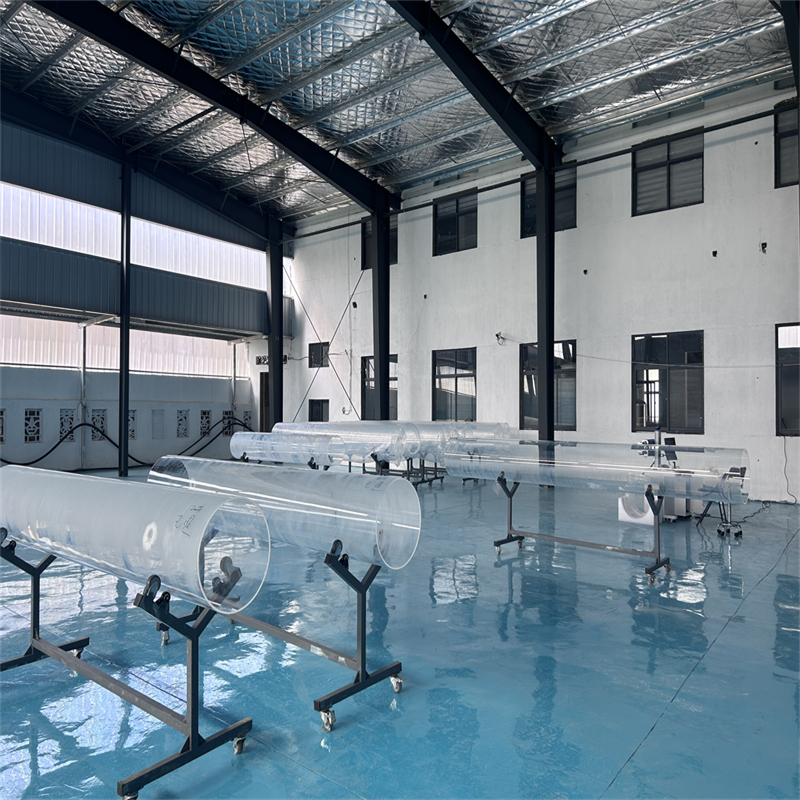
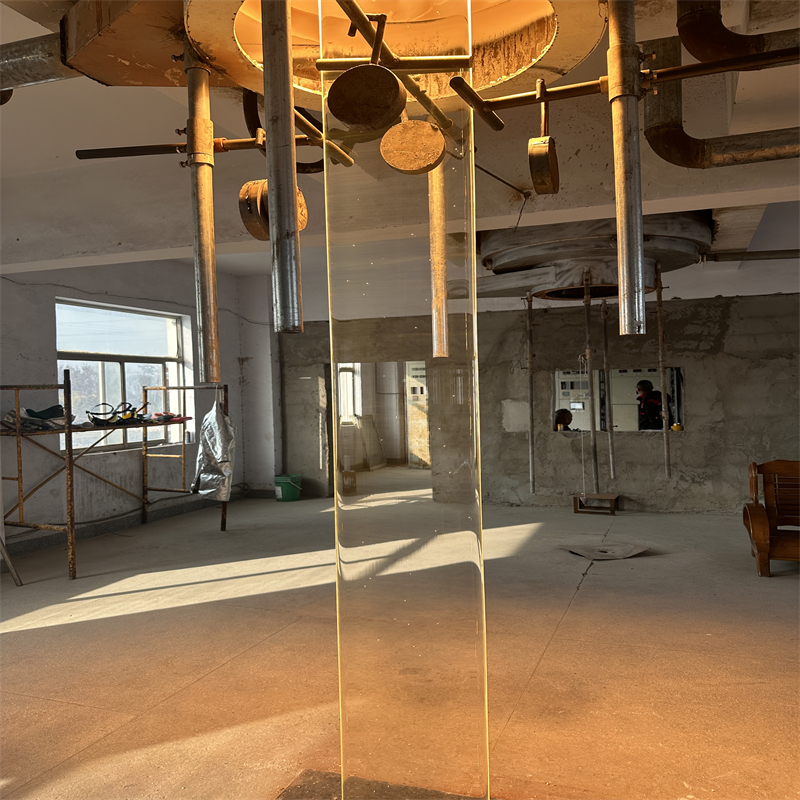
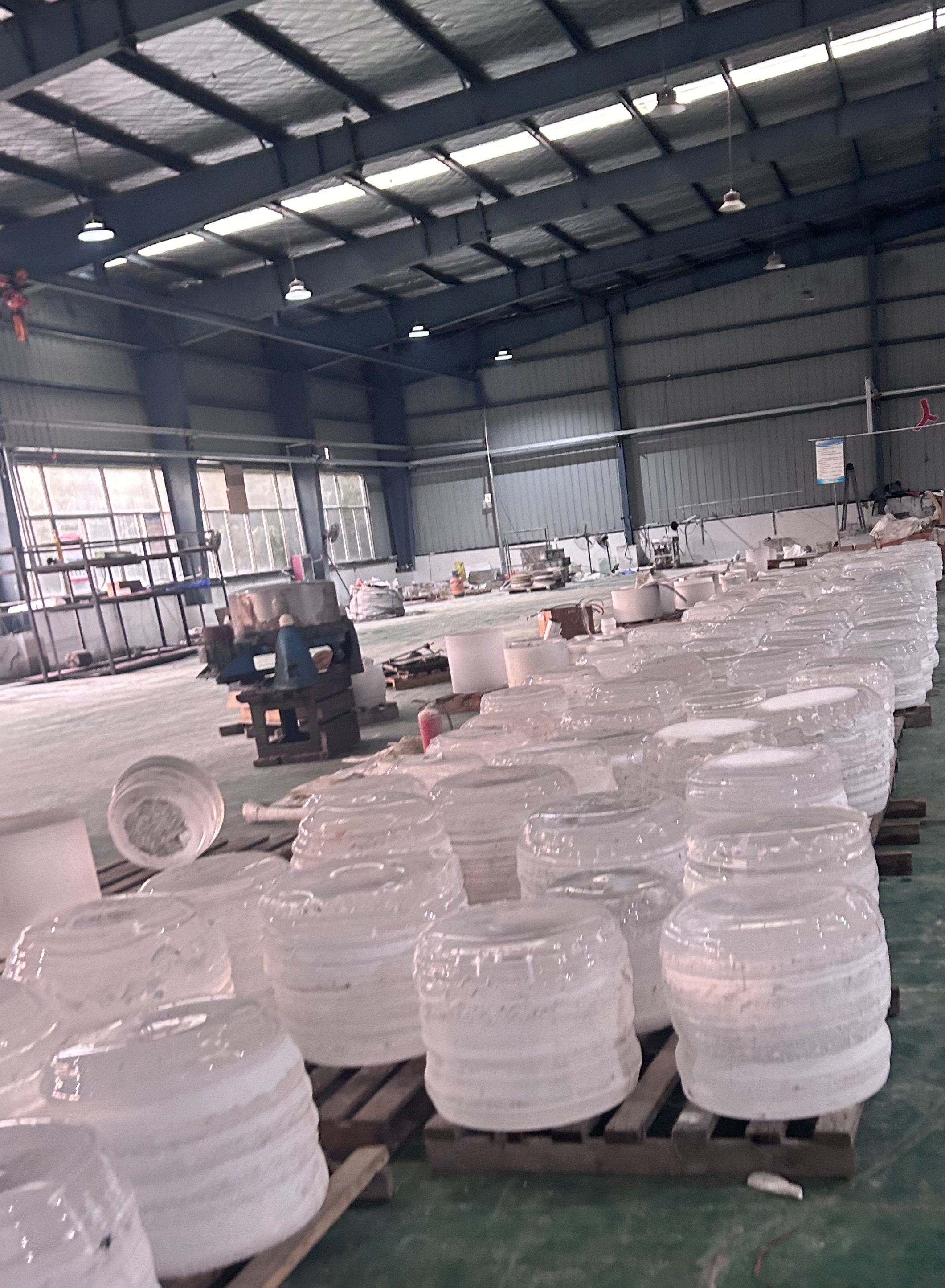
Headquartered in Donghai County, Jiangsu Province—globally acknowledged as the "Crystal Capital of China"—Zelvo Quartz is a vertically integrated manufacturer and exporter of premier-grade fused silica blocks, quartz plates, high-temperature reaction tubes, and custom glassware instruments. Backed by over a decade of dedicated craftsmanship and automated CNC glassworking centers, we bridge high-volume industrial output with bespoke laboratory precision.
- 99.99% Ultra-Pure SiO₂ Crystal Base
- Laser Drilling, Slitting & CNC Grooving
- 1-Piece Minimum Order Quantity (MOQ)
- 100% Inquiry Response Rate (≤2h)
- Shockproof Heavy-Duty Export Crating
- Global Delivery: FOB, CIF, DDP, Express
Frequently Asked Questions by Industrial Buyers in Masaya
Essential insights covering logistics, technical tolerances, thermal integrity, and import protocols for Nicaraguan enterprises.