Engineered Quartz Components Ready for Calgary Pilot Lines
Precision-formed from optical-grade and semiconductor-purity synthetic quartz. Fully customizable for gas distribution, catalytic cracked-stream collection, and high-temperature thermal cycling up to 1300 °C.
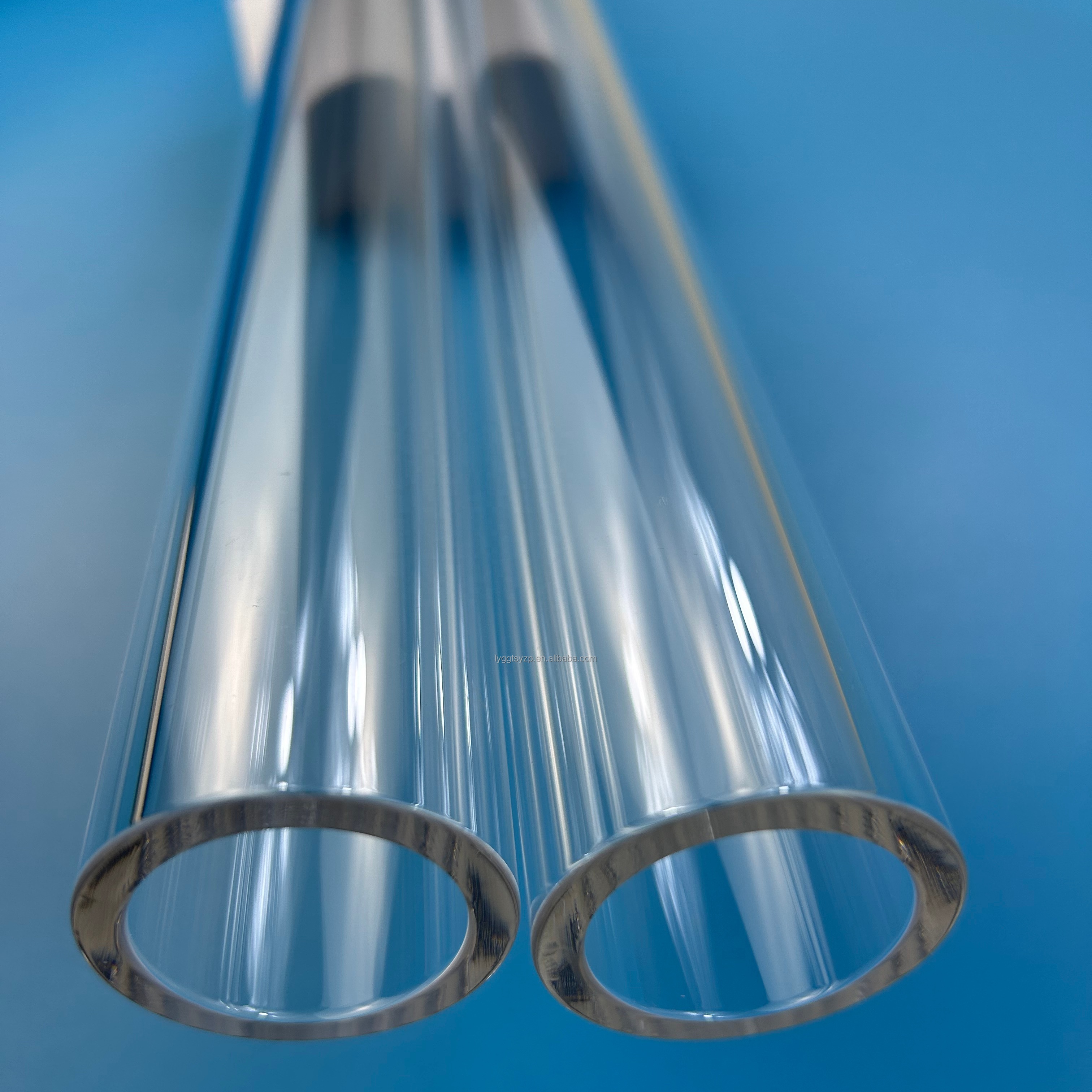
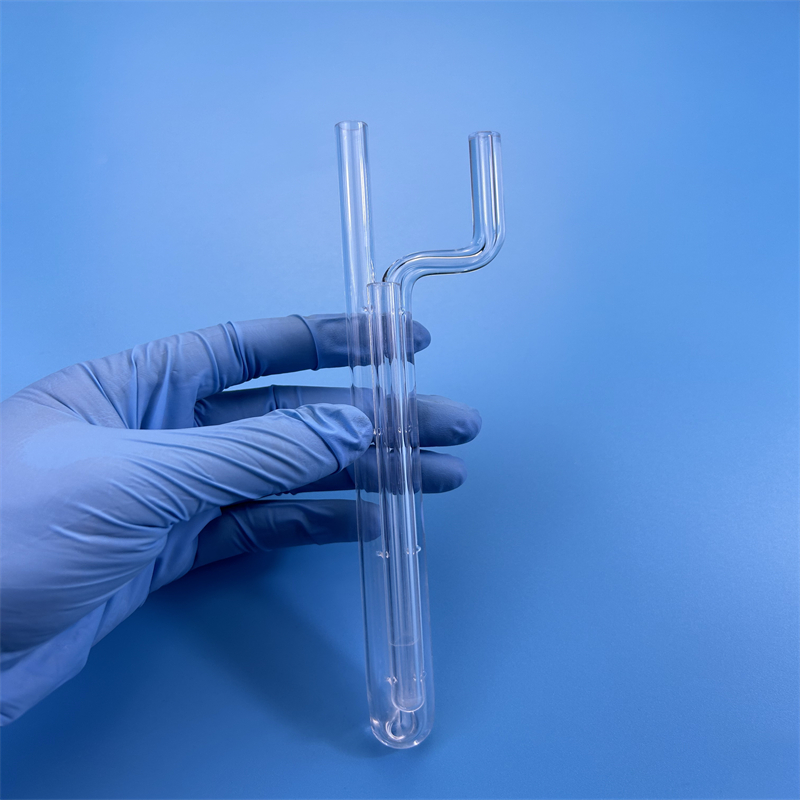
Chemisorption BET Test High Pressure 99.99% Pure Ozone Free Clear Quartz Glass Twin Tube Bending Welding Services Quantachrome
Factory Customization Outdoor Camping Portable High Temperature Clear Transparent High Precision Optical Grade Quartz Glass
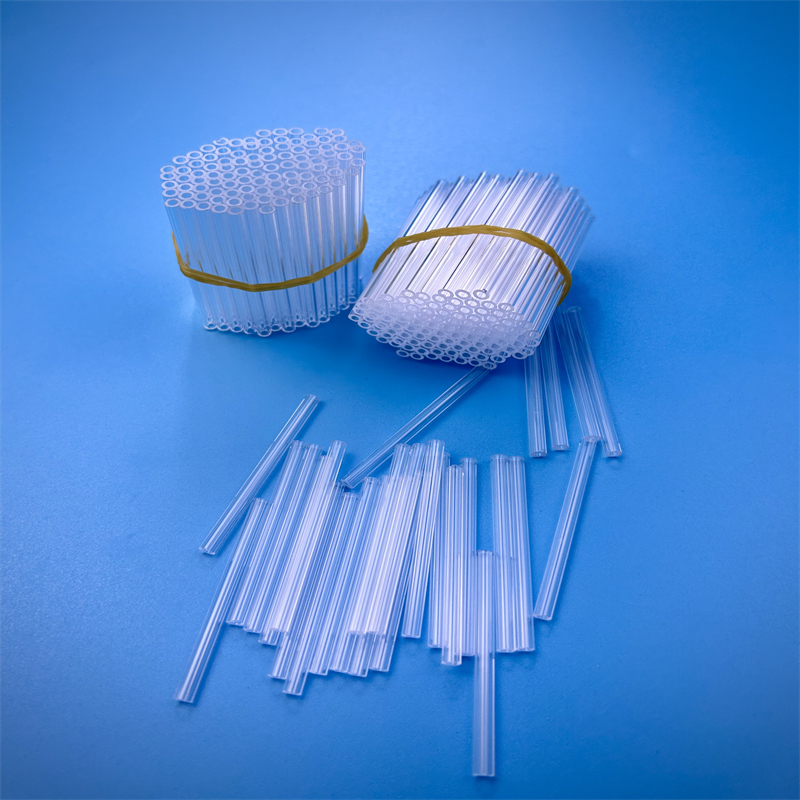
High Quality Transparent U-Bent Quartz Glass Tube Bending/Cutting/Welding Services 99.99% Pure Quartz Ozone Free Polished
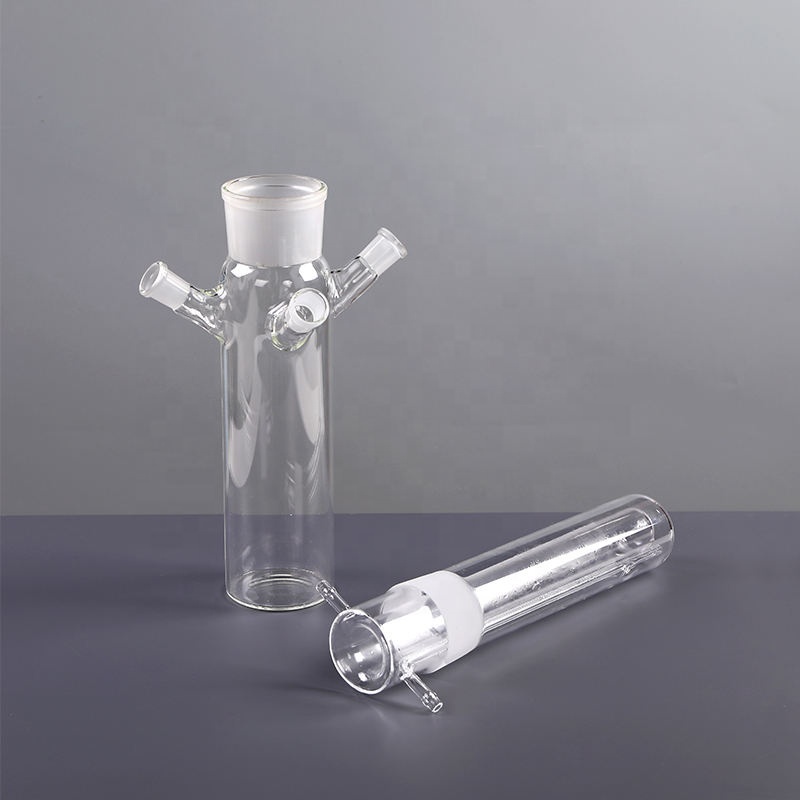
Customized High-purity Quartz Glass Reactor Container Bending Moulding Photocatalytic Degradation Internal Illumination Welding
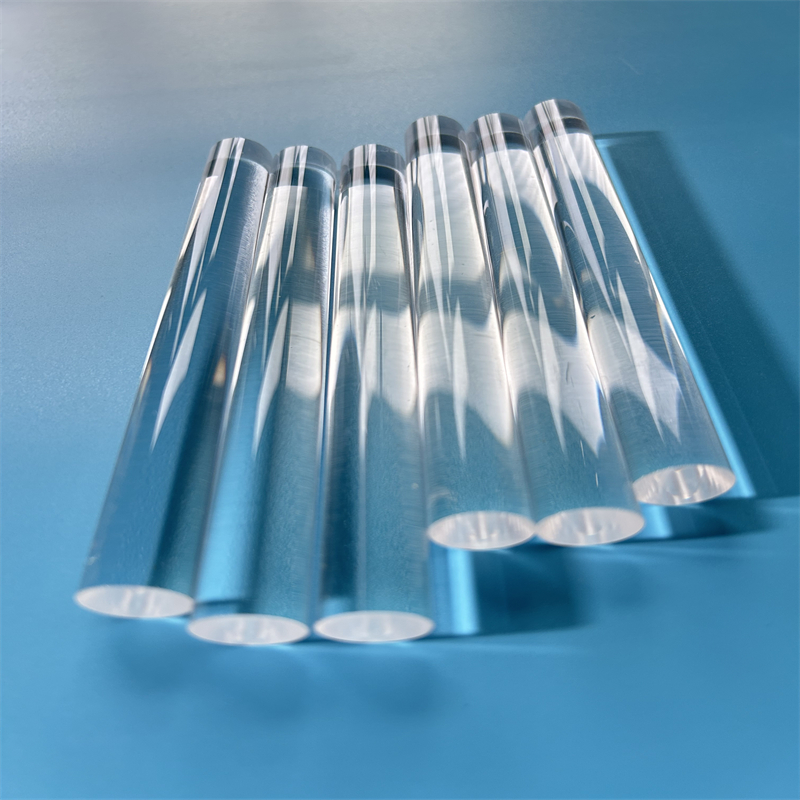
Custom Guitu Quartz GT Model High Purity Optical Quartz Light Guide Cylinder Rod 99.99% SiO2 for Optical/Semiconductor
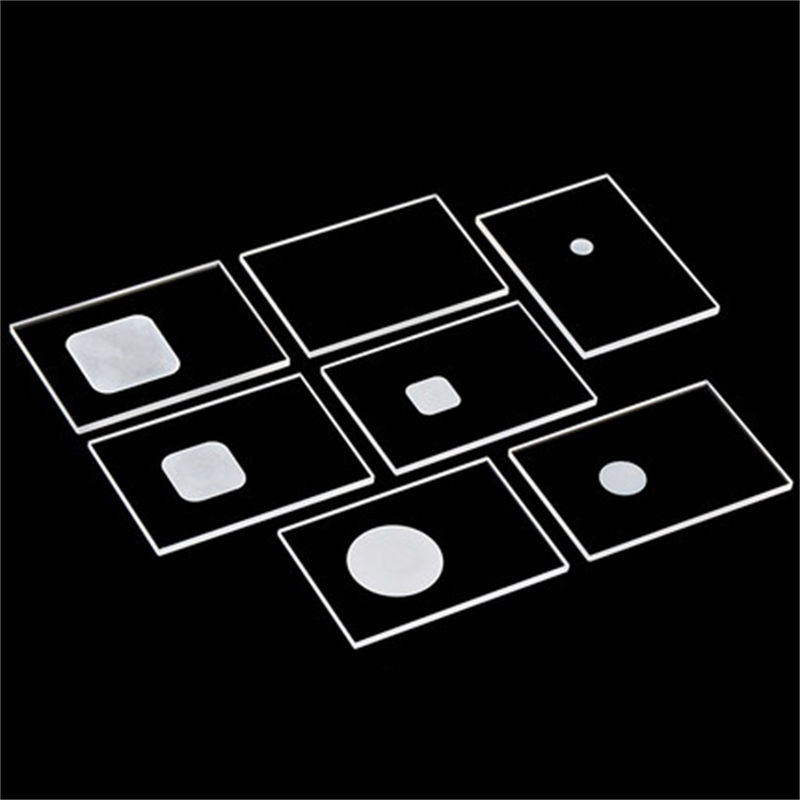
High Temperature Fused Quartz Glass Sheet for XRD Sample Tank Testing Chip Slotted Carrier Cutting Service Custom Sizes 1100C
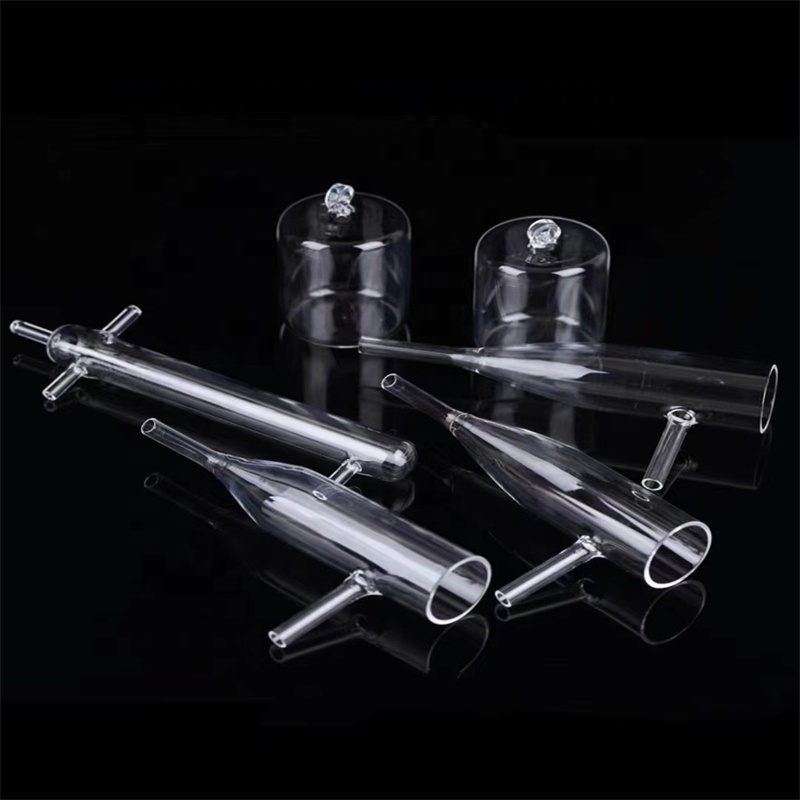
Custom Clear Laboratory High Temperature Twin Tube 99.99% Pure Quartz Glass Tube CVD Furnace Vacuum Bending Welding Services
High-Purity Fused Quartz Manifolds in Extreme Process Chemistry
In high-temperature catalytic reaction testing, pilot-scale oil upgrading, and synthetic methane cracking across Calgary's industrial sectors, fluid handling systems are subjected to severe thermodynamic stress and chemical attack. Traditional borosilicate 3.3 laboratory glass and high-nickel stainless steels (316L, Hastelloy C-276) often fail to balance thermal shock tolerance, optical clarity, and absolute surface inertness.
Quartz glass manifolds manufactured by Zelvo Quartz are synthesized from fused natural crystal quartz containing over 99.99% silicon dioxide (SiO₂). The atomic architecture of vitreous silica consists of a continuous, randomly cross-linked network of silicon-oxygen tetrahedra ($[SiO_4]^{4-}$). Because of the covalent bond strength of the Si-O linkage ($460\text{ kJ/mol}$), fused quartz exhibits an exceptionally low coefficient of linear thermal expansion ($\alpha = 5.5 \times 10^{-7}\text{ K}^{-1}$ between $20^\circ\text{C}$ and $1000^\circ\text{C}$). This gives our custom multi-port manifolds near-immunity to catastrophic failure caused by severe thermal gradients—such as rapid quenching during exothermic runaway or cyclical purging with cryogenic nitrogen.
Thermodynamic & Material Property Benchmark
The table below demonstrates why research facilities, environmental monitors, and refinery process engineers in Alberta prefer optical and electrical grade vitreous silica manifolds over conventional alloy and borosilicate solutions:
| Physical / Thermal Parameter | Fused Quartz (Zelvo Standard) | Borosilicate 3.3 Glass | 316L Stainless Steel | Hastelloy C-276 |
|---|---|---|---|---|
| Chemical Composition | ≥ 99.99% SiO₂ | 81% SiO₂, 13% B₂O₃, 4% Na₂O | Fe / Cr 18% / Ni 12% / Mo 2.5% | Ni 57% / Mo 16% / Cr 16% / W 4% |
| Max. Continuous Working Temp. | 1100 °C | 450 °C | 800 °C | 1000 °C (Oxidation Limits) |
| Short-Term Spike Temp. | 1300 °C (Softens at 1683 °C) | 500 °C (Softens at 820 °C) | 870 °C | 1050 °C |
| Thermal Expansion (CTE, 20-300°C) | 5.5 × 10⁻⁷ /K | 33 × 10⁻⁷ /K | 165 × 10⁻⁷ /K | 112 × 10⁻⁷ /K |
| Thermal Shock Resistance (ΔT) | > 1000 °C Water Quench | ≈ 150 °C Water Quench | High (Subject to Warping) | High (Subject to Distortion) |
| Resistance to Wet H₂S / Sour Gas | Inert (No Sulfidation) | Good (Surface Etch over time) | Stress Corrosion Cracking Risk | High Resistance (Cost Prohibitive) |
| Catalytic Wall Inertness | Absolute Neutrality | Mild Boron/Alkali Leaching | Active Fe/Ni Surface Catalysis | Active Transition Metal Wall |
| Vacuum Integrity Rate | < 1 × 10⁻⁹ mbar·L/s | < 1 × 10⁻⁷ mbar·L/s | Gasket / Outgassing Dependent | Weld Porosity Dependent |
Targeted Quartz Manifold Applications in Calgary & Southern Alberta
From experimental bitumen fractionation to leading-edge Carbon Capture, Utilization, and Storage (CCUS) testing, our custom-fabricated manifolds solve severe thermodynamic and chemical challenges across the Calgary metropolitan corridor.
Heavy Oil & SAGD Bitumen Hydroprocessing
Operating across Foothills Industrial Park and regional petroleum R&D centers, engineers simulating Steam-Assisted Gravity Drainage (SAGD) and naphthenic acid upgrading rely on custom quartz split manifolds. Vitreous silica prevents sulfur embrittlement from sour gases ($H_2S$, mercaptans) under superheated steam conditions at up to 600 °C, ensuring uncontaminated hydrocarbon effluent sampling.
Hydrogen Pyrolysis & CCUS Pilot Rigs
With Alberta's accelerated shift toward low-carbon blue and turquoise hydrogen, methane cracking reactors generate solid carbon black and hydrogen gas at temperatures exceeding 1000 °C. Zelvo's multi-port quartz manifolds feature water-jacketed gas injection zones and optical access ports, permitting in-situ laser diagnostics without thermal stress cracking.
Academic Catalysis at UCalgary & SAIT
Laboratories at the University of Calgary (Schulich School of Engineering) and SAIT utilize our Chemisorption BET twin-bore manifold assemblies. Featuring precision ground taper joints ($14/20$, $24/40$) and high-vacuum stopcocks, these assemblies facilitate precise pulse chemisorption, metal dispersion mapping, and temperature-programmed reduction (TPR/TPD).
Environmental & Air Quality Monitoring
Continuous emissions monitoring stations (CEMS) monitoring industrial stacks in Balzac and southeast Calgary deploy our heated quartz gas distribution headers. Vitreous silica eliminates the wall-sorption of reactive acid gases ($SO_2$, $NO_x$, $HCl$), preventing data attenuation in sub-ambient Canadian winter operating environments.
Calgary's Industrial Transformation & Quartz Infrastructure Trends
How changes in Western Canadian capital spending, clean technology mandates, and micro-refining are shaping laboratory glass requirements through 2030.
1. Decentralized CleanTech & Modular Pilot Plants
Calgary has emerged as the headquarters hub for Canadian cleantech ventures focusing on modular, containerized reactors. These skids demand customized fused quartz manifolds rather than bulk piping. The ability to route multi-phase streams through compact, transparent manifolds allows optical sensor integration (Raman, FTIR spectroscopy) directly through the quartz wall, speeding up commercialization.
2. High-Pressure Supercritical CO₂ Extraction
With major CCUS hubs advancing along the Alberta Industrial Heartland and Bow River basins, supercritical $CO_2$ ($sCO_2$) extraction and carbon mineralization systems operate under elevated pressures and aggressive solvent dynamics. Thick-walled quartz manifolds, pressure-tested to handle specialized differential stresses, provide the optical clarity necessary to observe phase transition boundaries without risk of wall degradation.
3. Rapid Prototyping & Flexible Drawing Revisions
Traditional domestic glassblowing infrastructure in Western Canada faces declining capacity and protracted 10-to-16 week lead times. Calgary procurement managers are actively seeking agile manufacturing partners capable of transforming 2D CAD files or STEP drawings into finished quartz manifold units with a 1-piece Minimum Order Quantity (MOQ) and rapid international air transit via Calgary International Airport (YYC).
Why Calgary Engineers & Procurement Teams Partner With Us
Direct manufacturing out of Donghai, Jiangsu—China's global capital for quartz processing—combined with export-grade engineering controls, rapid design turnaround, and heavy-duty protective transit packaging.
Raw Material Purity (99.99%)
Located at the world's primary natural quartz refining cluster, we utilize premium natural silica sands with total metallic impurities below 20 ppm. Our optical and UV-grade materials feature hydroxyl (OH⁻) content tailored to eliminate infrared absorption peaks across diagnostic wavelengths.
Multi-Axis CNC Laser Drilling & Welding
Our facility integrates computerized 5-axis CNC machining, high-precision diamond cutting, laser hole-perforation, and master flame-welding lathes. We routinely achieve manifold port concentricity tolerances within ±0.05 mm and smooth transition radii that minimize process pressure drops.
≤ 2-Hour Drawing Review & 1-pc MOQ
Engineering communication is handled directly by technical specialists fluent in CAD/CAM tolerances, eliminating distributor delays. Whether your Calgary pilot plant requires a single replacement manifold or 50 standardized production lines, our prototyping MOQ starts at just 1 piece.
Sub-Zero Winter Freight Packaging
Transpacific air cargo into Calgary during winter undergoes brutal temperature swings (-30 °C ground handling). We utilize multi-density expanded polyethylene (EPE) custom-cut suspended foam inside fumigated solid wooden crates, delivering a 99.8% damage-free transit record across Canada.
Frequently Asked Questions by Calgary Procurement Engineers
Addressing logistical, technical, and regulatory questions regarding custom quartz manifolds sourced for Alberta facilities.
How do your quartz manifolds withstand extreme winter cold during Calgary transit?
Can you integrate North American standard ground joints (Ace Glass, Quickfit, Standard Taper)?
How does fused quartz handle sour gas mixtures (H₂S, CO₂, elemental sulfur) at 500 °C+?
What are the lead times and shipping options for deliveries to Calgary, Alberta?
Can we reverse-engineer or replace broken custom laboratory manifolds without original CAD?
What are the allowable manufacturing tolerances on complex quartz multi-port manifolds?
What documentation and quality certifications accompany each shipment?
Accelerate Your Process With Custom Quartz Manifolds
Directly connect with Zelvo Quartz's technical engineering team. Send your sketches, CAD models (STEP/DWG/PDF), or process operating parameters. We review thermal feasibility, supply technical feedback, and return a firm quote within 2 hours.