Precision Quartz & Fused Silica Components for Scientific Applications
Manufactured under stringent laser-interferometric inspection, flame polished, and precision ground to sub-arcsecond angular tolerances for research institutions, high-temperature reactors, and multi-spectral dispersion arrays.
1. The Physicochemical Primacy of Fused Quartz Prisms in Precision Optics
In modern experimental optics, precision dispersion and total internal reflection (TIR) components are fundamentally constrained by the physical properties of their substrate. While optical borosilicate glasses (such as N-BK7) serve conventional visible-spectrum tasks, they experience profound absorption cutoffs below 350 nm and suffer significant thermal expansion coefficients (α ≈ 7.1 × 10⁻⁶ /K). For the research and diagnostic frameworks operating within the Vatican scientific perimeter, such performance degradations are intolerable.
High-purity synthetic and natural fused silica (SiO₂ ≥ 99.99%) exhibits an extraordinarily low thermal expansion coefficient (α ≈ 5.5 × 10⁻⁷ /K), approximately one-twelfth that of standard optical crown glass. This characteristic ensures that angle stability, wavefront error, and refractive index gradients (dn/dT) remain virtually immutable under thermal cycling or intense laser excitation. When engineered into equilateral dispersion prisms, right-angle retroreflectors, Littrow prisms, and Pellin-Broca assemblies, fused silica ensures unmatched transmission across the 185 nm to 2500 nm continuum.
| Physical / Optical Parameter | JGS1 (Synthetic UV Grade Fused Silica) | JGS2 (Optical Grade Fused Quartz) | Standard Optical Glass (N-BK7) |
|---|---|---|---|
| SiO₂ Purity Ratio | ≥ 99.999% (Ultra-pure Synthetic) | ≥ 99.99% (Natural High Purity) | Multicomponent Silicate (~70%) |
| Useful Transmission Spectrum | 185 nm – 2500 nm (DUV to NIR) | 220 nm – 2500 nm (UV to NIR) | 350 nm – 2000 nm (Visible only) |
| Thermal Expansion Coeff. (0–300°C) | 5.4 × 10⁻⁷ /K | 5.5 × 10⁻⁷ /K | 7.1 × 10⁻⁶ /K (High Drift) |
| Refractive Index (nd @ 587.6 nm) | 1.4585 | 1.4585 | 1.5168 |
| Abbe Number (Vd) | 67.8 | 67.8 | 64.17 |
| Bubble & Inclusion Class (ISO 10110) | 0/10 (Laser Grade, Zero Pinhole) | 1/10 (Industrial Optical) | Standard Commercial Grade |
| Surface Polish & Scratch-Dig | 10-5 to 20-10 Laser Grade | 40-20 Precision Optical | 60-40 Commercial Finish |
| Angular Tolerance (Δθ) | ≤ 3 arcseconds | ≤ 10 arcseconds | ≥ 30 arcseconds |
2. Localized Optical Application Scenarios in Vatican City
The territory of Vatican City represents one of the world's most concentrated custodianships of humanity's cultural heritage, astronomical enquiry, and specialized conservation research. Deploying optical quartz components within this sovereign jurisdiction requires addressing bespoke scientific ecosystems:
Specola Vaticana (Vatican Observatory)
Operating historical research offices within the Vatican Gardens and collaborating extensively with international deep-sky telescope stations (such as the Vatican Advanced Technology Telescope - VATT), the Specola Vaticana requires high-stability quartz dispersion prisms and atmospheric dispersion compensators (ADC). The UV-VIS capability is vital for stellar spectroscopy, exoplanetary transit photometry, and low-aberration stellar spectral profiling.
Vatican Apostolic Archive Diagnostics
Conserving millennia of ancient codices, parchment, and papal bulls necessitates ultra-precise, non-destructive optical spectroscopy. Specialized quartz prisms guide collimated multispectral beams for UV fluorescence reflectography, Fiber Optics Reflectance Spectroscopy (FORS), and micro-Raman diagnostics, permitting chemical characterization of inks and binders without photothermal damage.
Vatican Museums Conservation Laboratories
The Laboratorio di Diagnostica per la Conservazione e il Restauro relies on non-invasive laser cleaning and optical coherence tomography (OCT) systems. In these environments, right-angle fused quartz prisms serve as beam steering mirrors and optical delay lines that withstand high-peak laser power without solarization, thermal lensing, or mechanical deformation.
3. Emerging Trends in Sovereign Scientific Sourcing & Optical Metrology
Procurement trends among research bodies, pontifical academies, and allied Italian research partners (including collaborations with CNR, ENEA, and INAF) reveal three major technical pivots shaping the demand for quartz glass prism exports:
Transition to Deep Ultraviolet (DUV) Diagnostic Wavelengths: Historical diagnostics have moved beyond simple visible spectrum imaging into narrow-band ultraviolet excitation (254 nm and 365 nm). Synthetic fused silica (JGS1 / Suprasil equivalent) remains the sole optical material immune to deep-UV solarization and hydroxyl absorption bands, ensuring pristine Signal-to-Noise Ratio (SNR) in high-resolution heritage diagnostics.
Sub-Arcsecond Geometric Rectitude: Modern spectrophotometers require dispersion angles accurate to ≤ 3 arcseconds. Conventional commercial tolerances (±3 to 5 arcminutes) introduce chromatic aberration that degrades high-order polynomial spectral calibrations. Zelvo Quartz implements high-resolution auto-collimating goniometers to guarantee deterministic angular precision.
Direct Drawing-to-Part Rapid Prototyping: Research institutes frequently upgrade customized heritage imaging rigs. Rather than purchasing standardized catalog prisms that force optical redesign, teams require bespoke dimensions, custom entry/exit face angles, and anti-reflective thin-film coatings (V-coating or BroadBand AR) in small quantities with a 1-piece Minimum Order Quantity (MOQ).
4. Engineering & Manufacturing Superiority: Why Zelvo Quartz Leads
Headquartered in Donghai County, Jiangsu Province—recognized worldwide as China's "Crystal Capital"—Lianyungang Zelvo Quartz Products Co., Ltd. combines sovereign natural quartz resource proximity with elite micro-machining technologies.
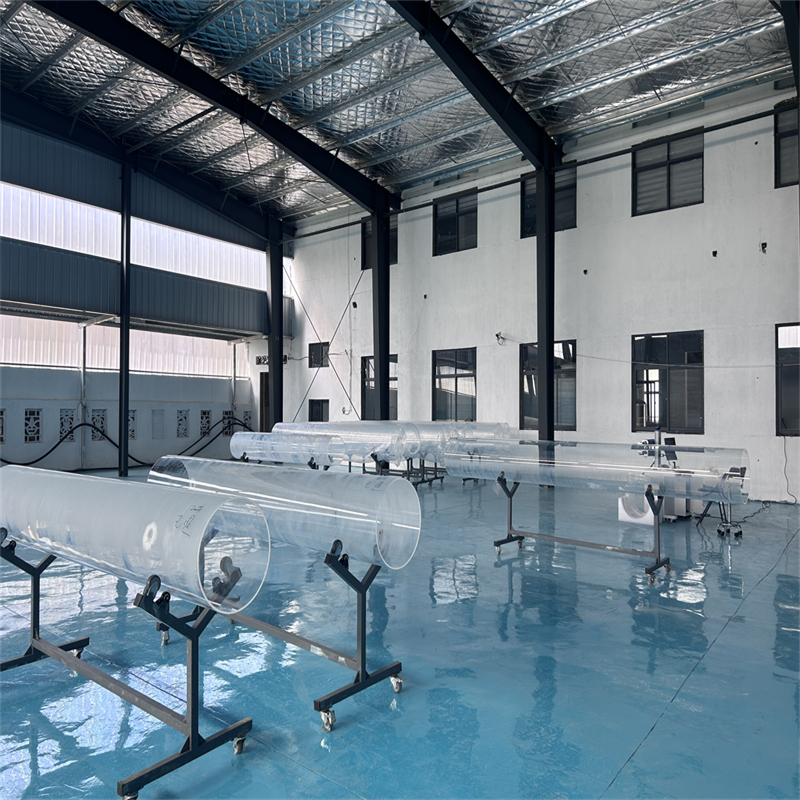 Donghai Refining Center
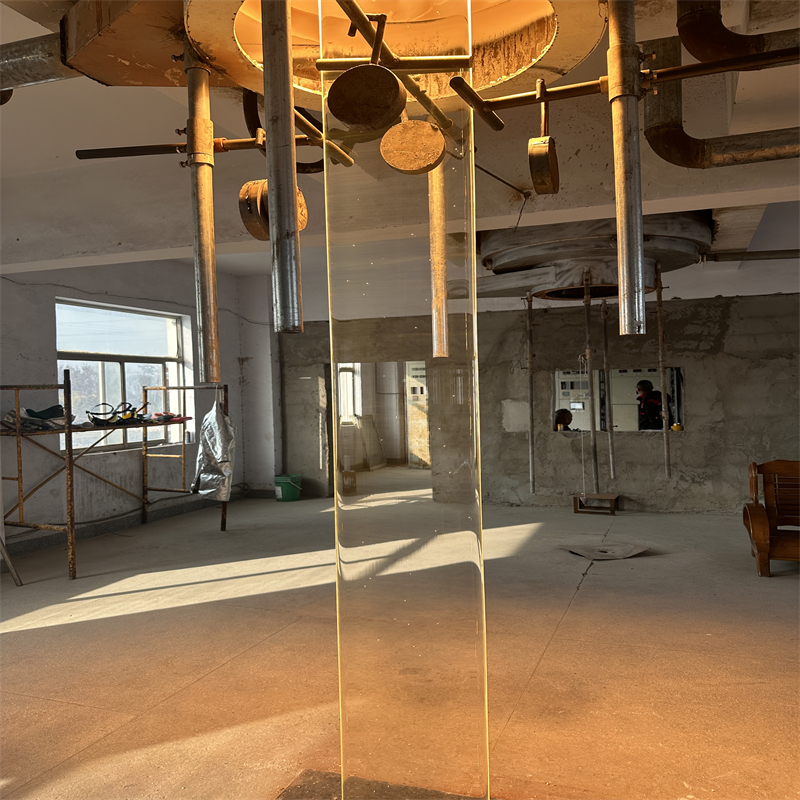 Laser Cutting & CNC Grinding
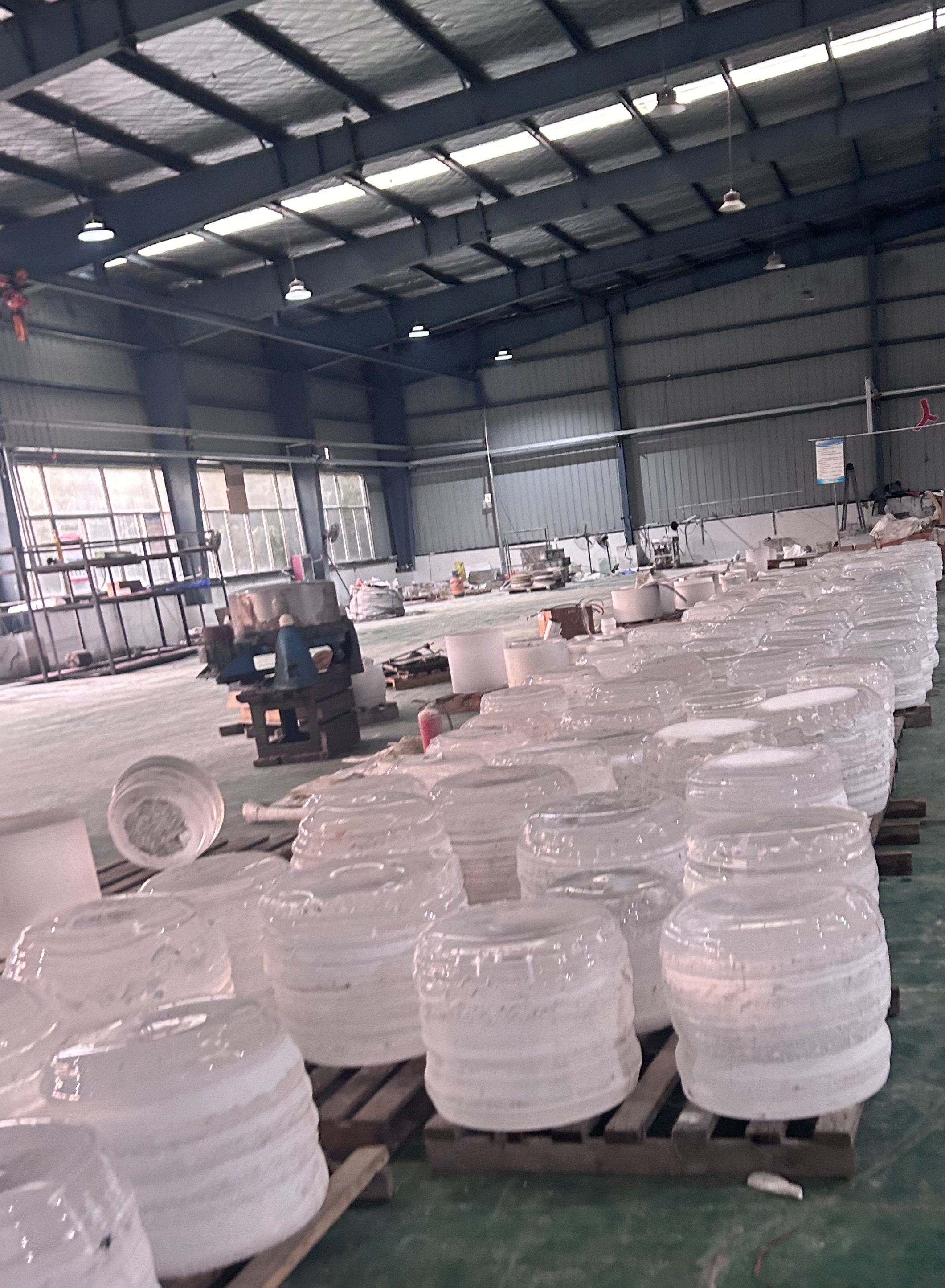 Interferometric QC
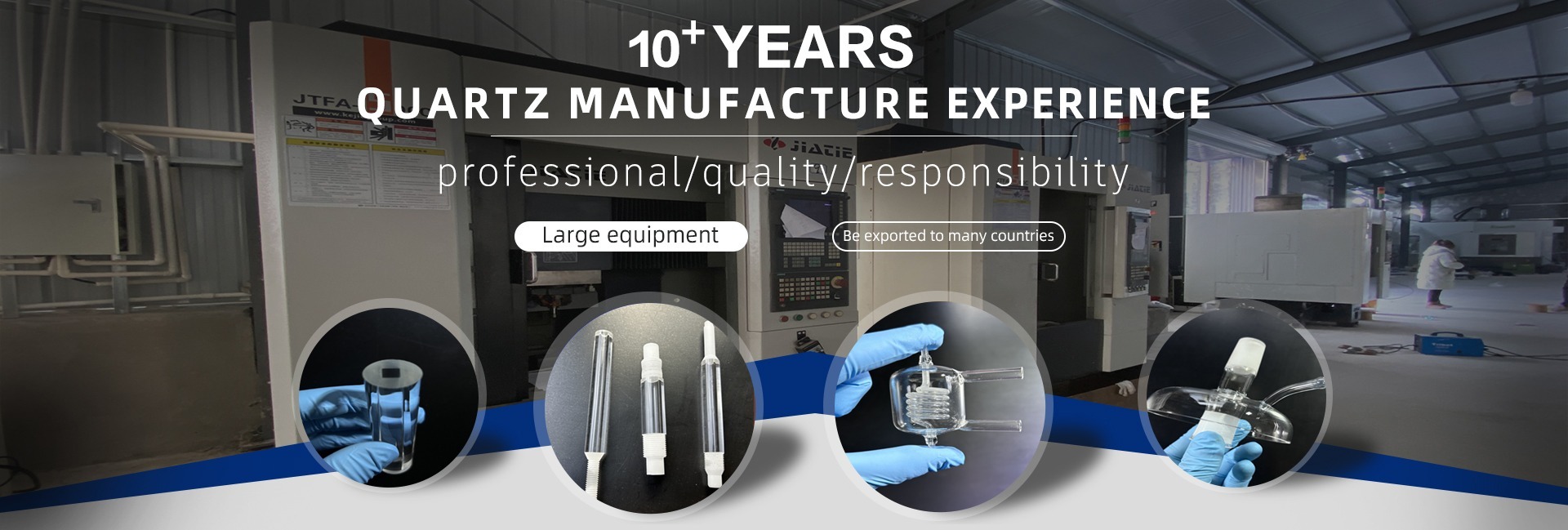 Zero-Defect Optical Blanks
Onsite-Verified Manufacturing Infrastructure
Unlike trading intermediaries, Zelvo Quartz operates in-house cold-machining and flame-working facilities equipped with multi-axis CNC diamond profiling systems, ultrasonic drill centers, and Zygo-class laser interferometers.
- 99.99% - 99.999% SiO₂: Laser grade homogeneity
- 1-Piece MOQ: Prototyping & custom research runs
- ≤ 2h Response Rate: Dedicated optical sales engineers
- 10+ Years Experience: Senior glass blowers & opticians
- Global Shock-Proof Pack: Custom wooden crating
- DDP / Express Logistics: Direct delivery into Rome & Vatican
5. Precision Fabrication Capabilities for Custom Quartz Prisms
Every prism blank fabricated for scientific export undergoes a calibrated sequence of thermal annealing, dimensional grinding, precision pitch polishing, and multi-stage metrology:
1. Substrate Annealing: High-purity quartz ingots are annealed in computer-controlled electric resistance furnaces to eliminate residual thermal stress, bringing internal birefringence down to ≤ 5 nm/cm.
2. CNC Precision Lapping & Angle Grinding: Diamond wheels shape the prism apex, base, and hypotenuse faces to exact angular dimensions, establishing prism angles within ±3 to 10 arcseconds.
3. Double-Sided Pitch Polishing: Utilizing ultra-fine cerium oxide and diamond slurries, working faces achieve a surface roughness of Ra ≤ 0.5 nm, corresponding to a scratch-dig standard of 20-10 or 10-5 for laser cavity usage.
4. Thin Film Dielectric Coating: Prisms can be equipped with specialized broadband anti-reflective (BBAR) coatings, metallic coatings (Gold, Silver, Aluminum), or high-laser-damage-threshold (LIDT) dielectric coatings tailored to specific spectral requirements.
6. Frequently Asked Questions (FAQ) for Vatican City & European Optical Buyers
Custom optical prism prototypes with drawing-based specifications generally require 10 to 15 production days. Urgent scientific components are dispatched via priority express (DHL/FedEx/UPS) under DDP or CIP Rome/Vatican City terms, delivering directly to laboratory facilities in 3 to 5 business days after quality clearance.
Yes. Our sales engineering team reviews CAD, 2D DWG, STEP, or PDF optical drawings within 2 hours. We evaluate entry angles, tolerancing, edge chamfers, and clear aperture requirements, offering technical feedback on geometric feasibility and raw material grade selection.
JGS1 is synthetic fused silica, completely bubble-free with high transmission in the UV spectrum (185–2500 nm), optimal for laser optics and UV spectroscopy. JGS2 is natural fused silica, offering excellent transmittance from 220–2500 nm, widely used in optical windows and analytical prisms. JGS3 is infrared optical quartz, featuring deep IR transmission up to 3500 nm with negligible OH- absorption bands.
Optical prisms are protected with lens paper, vacuum-sealed in cleanroom membrane boxes, buffered with multiple layers of high-density shock-absorbing EPE foam, and encased in rigid multi-layer corrugated export cartons or sealed fumigated wooden crates. In our global shipping history, breakage rates remain below 0.1%.
Yes. Every export batch includes a Certificate of Analysis (COA) confirming SiO₂ purity (99.99%+). Upon request, we furnish interferometric wavefront maps (λ/10 surface accuracy), spectrophotometer transmission curves, and dimensional inspection reports before package dispatch.
We accept Euro (EUR), US Dollars (USD), and GBP via international Wire Transfer (T/T), Letter of Credit (L/C), PayPal for prototyping samples, and major credit cards. Our flexible trade terms conform to Incoterms 2020 including EXW, FOB, CIF, and DDP.
Connect with Senior Quartz Optical Engineers
Whether requiring a single custom JGS1 dispersive prism for spectrographic heritage calibration or volume optical blanks for astronomical assemblies, our technical export team provides rapid feasibility reviews and formal quotations within 2 hours.