High-Purity Quartz Glass & Optical Elements Portfolio
Alongside custom prism fabrication, our Donghai precision facility produces high-grade fused quartz labware, reaction cells, and CVD apparatus directly serviceable across the Tartu scientific corridor.
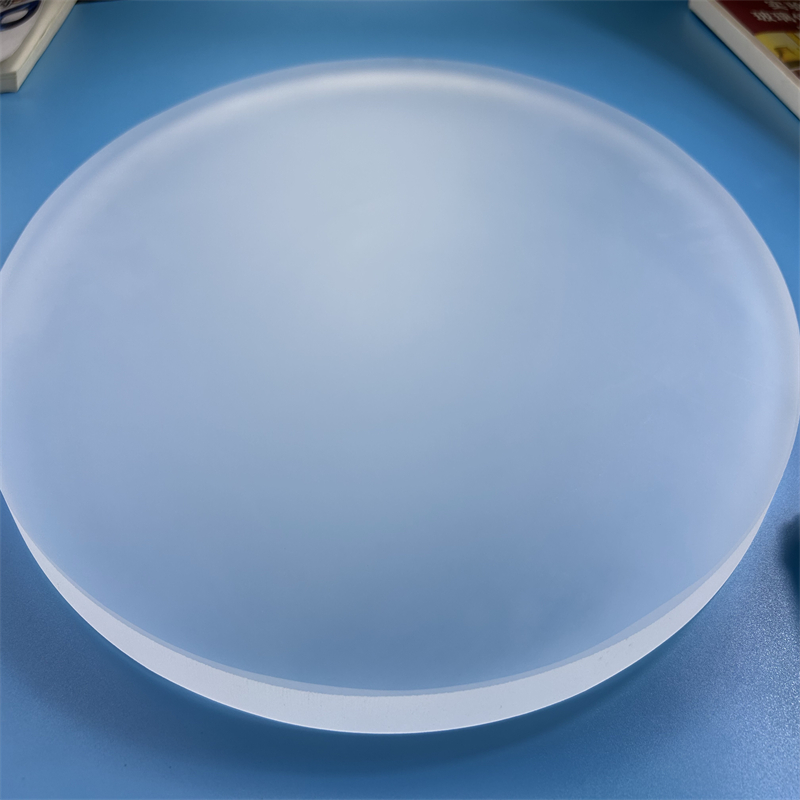
High Temperature Resistance Frosted Quartz Disc/Plate Semiconductor Applications Welding Cutting Custom Sizes Fused Quartz
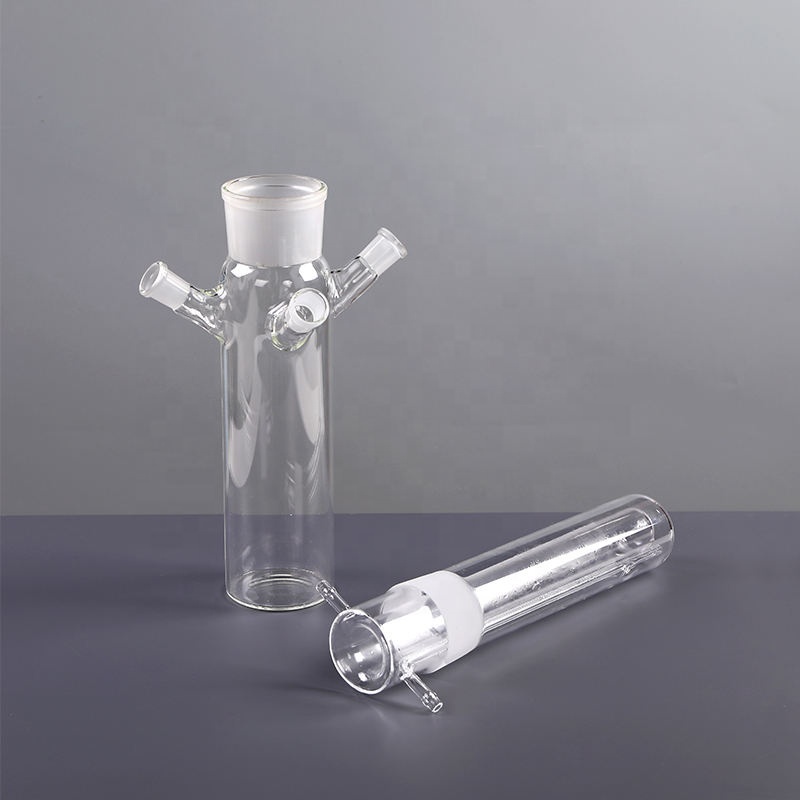
Customized High-purity Quartz Glass Reactor Container Bending Moulding Photocatalytic Degradation Internal Illumination Welding
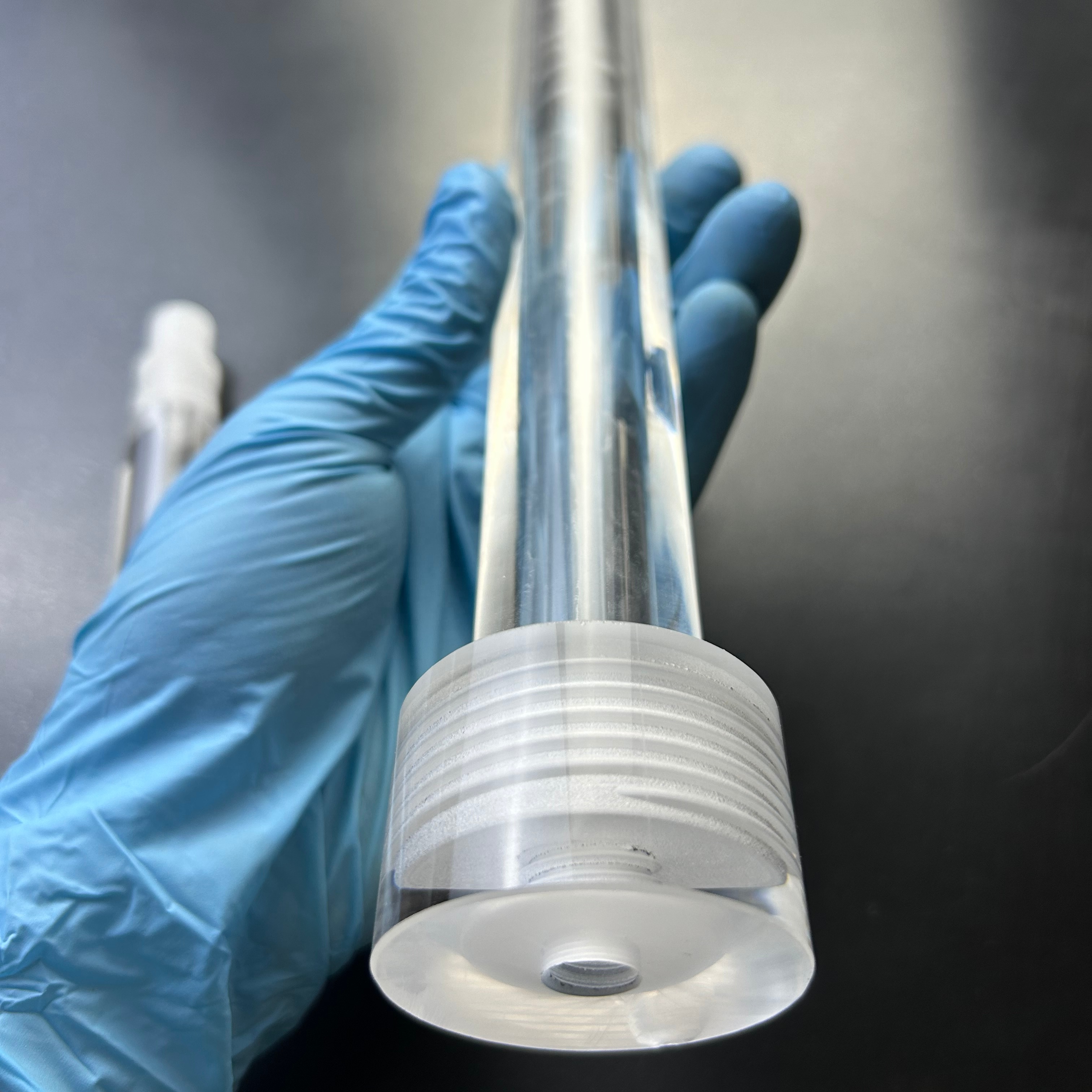
Customizable High Pressure High Quality Polished Clear Transparent 99.99% Pure Quartz Glass Twin Tube Bending/Welding/Cutting
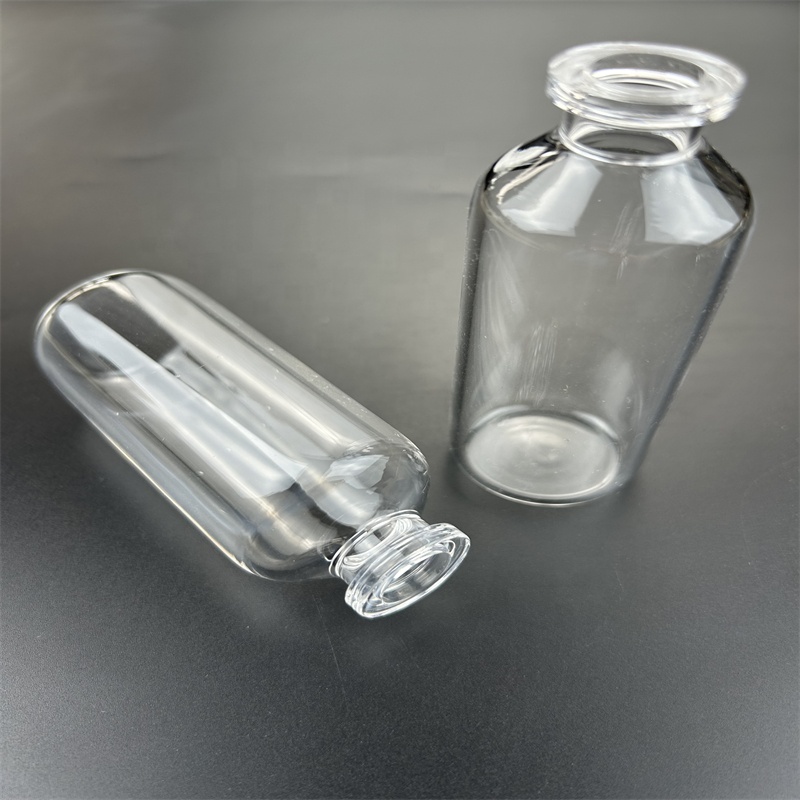
Custom High Pressure Corrosion Resistant Transparent 99.99% Pure Ozone Free Quartz Glass Ampoules Bending Welding Medical Grade
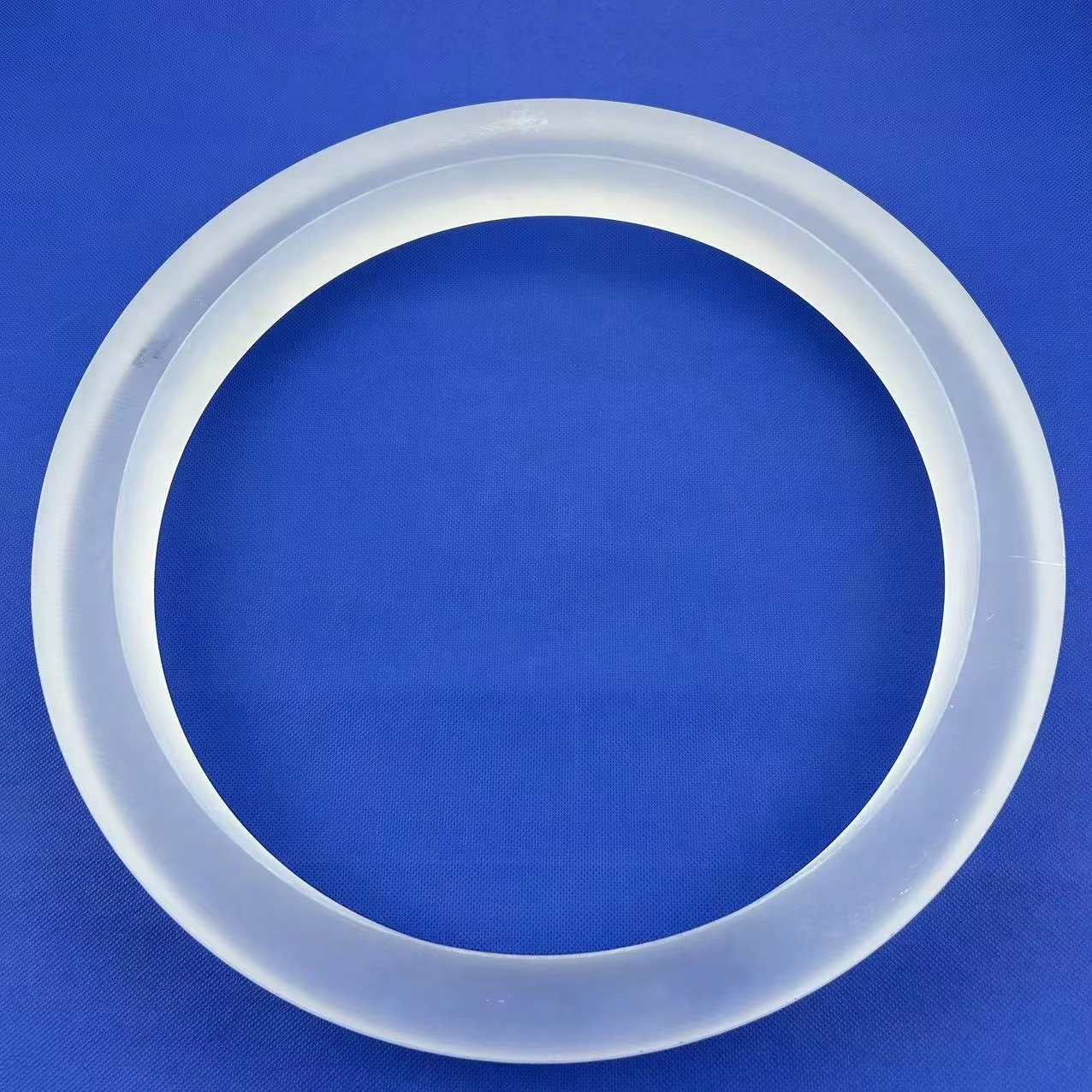
Custom Coated 99.99% Pure Quartz Rings for Semiconductor CVD Optics Applications High Pressure Moulding/Bending/Welding/Cutting
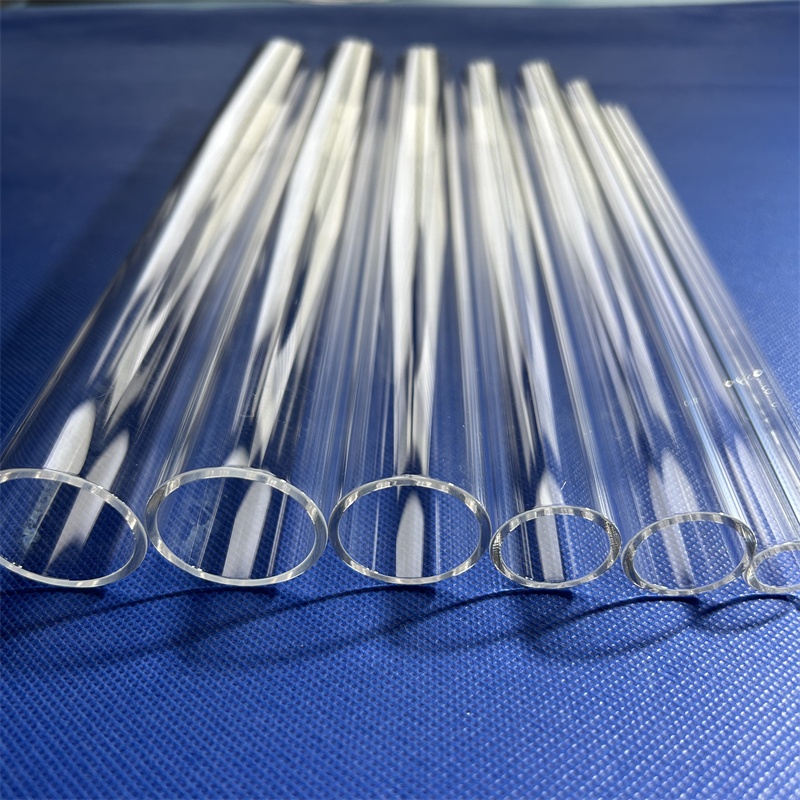
Transparent High Pressure 99.99% Pure Quartz Glass Tube Furnace Boiler Chemical Applications Corrosion Bending Moulding
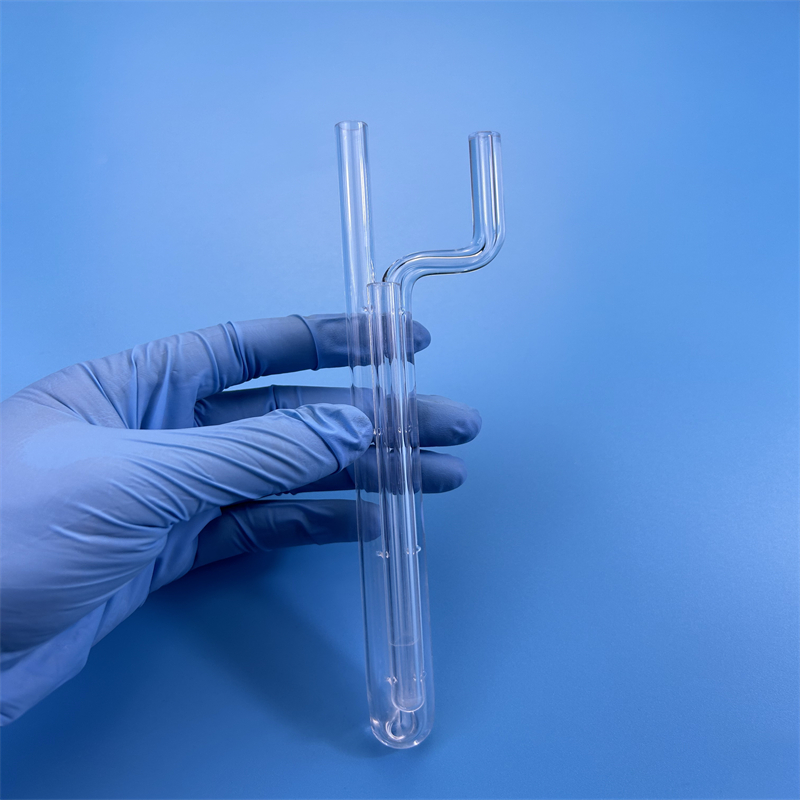
Chemisorption BET Test High Pressure 99.99% Pure Ozone Free Clear Quartz Glass Twin Tube Bending Welding Services Quantachrome
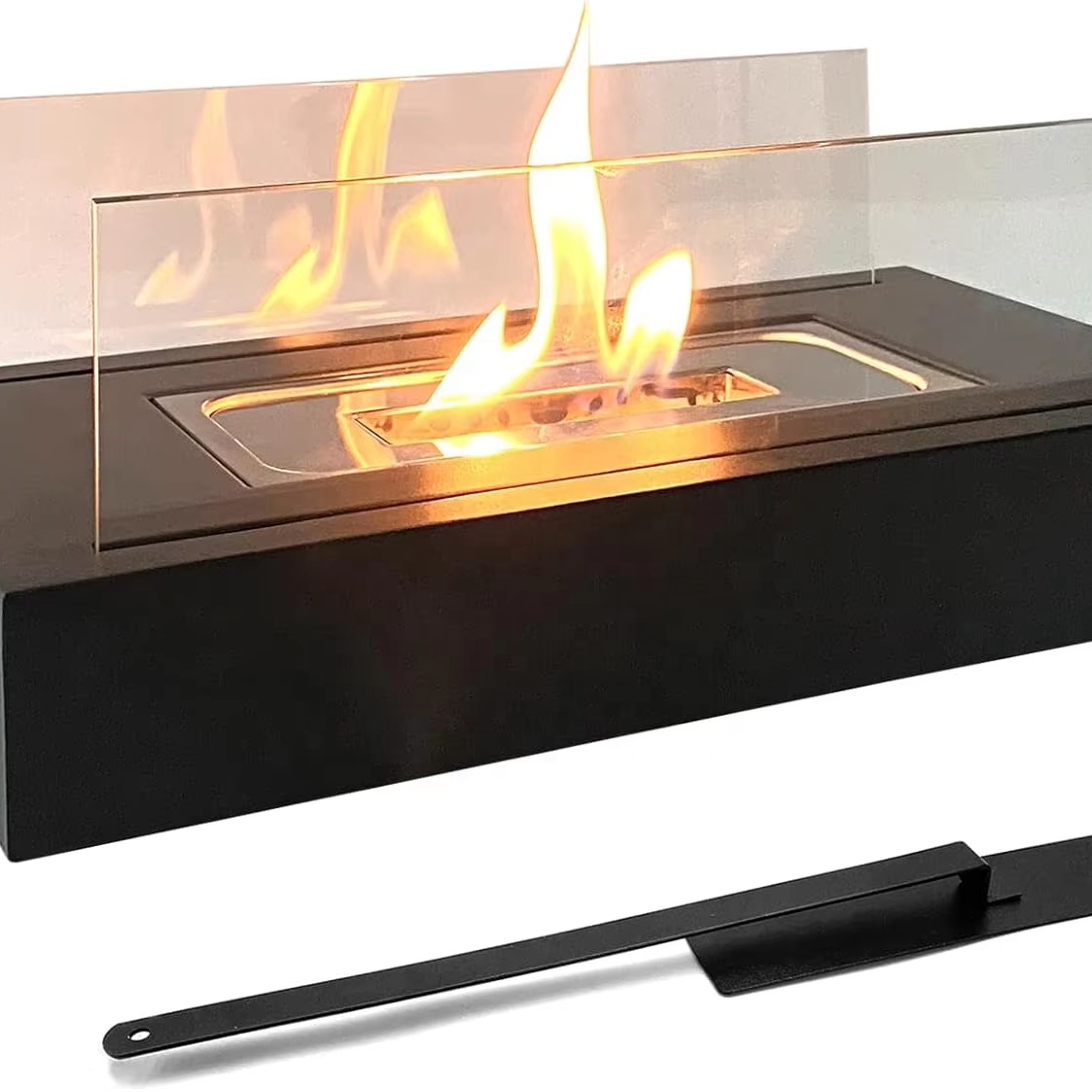
Factory Customization Outdoor Camping Portable High Temperature Clear Transparent High Precision Optical Grade Quartz Glass
Engineering Precision Quartz Glass Prisms for Tartu’s Scientific Ecosystem
A rigorous examination of optical dispersion mechanics, substrate purity selections, and transmission thermodynamics designed for Tartu’s photonics cluster.
In modern optical physics, Tartu stands as the intellectual epicenter of the Baltic region. Led by the University of Tartu's Institute of Physics (Tartu Ülikooli Füüsika Instituut) and the legacy of the Tartu Observatory in Tõravere, the municipality demands optical substrates capable of operating under relentless conditions: high-power femtosecond laser irradiation, deep ultraviolet (DUV) transmission down to 185 nm, cryogenic high-vacuum spectrometer installations, and orbital space instrumentation.
As an integrated manufacturing facility originating from Donghai—the globally recognized "Crystal Capital"—Lianyungang Zelvo Quartz Products Co., Ltd. bridges the critical gap between high-volume raw chemical synthesis and micro-precision optical fabrication. While conventional crown glasses like N-BK7 or standard borosilicates exhibit severe chromatic aberration, photo-darkening, and non-negligible thermal expansion ($7.1 \times 10^{-6}/\text{K}$), our custom-fabricated Fused Quartz and Synthetic Fused Silica Prisms possess a thermal expansion coefficient of merely $5.5 \times 10^{-7}/\text{K}$. This extreme thermal inertia guarantees beam steering stability and wavefront fidelity across temperature excursions spanning hundreds of Kelvin.
Whether configuring total internal reflection (TIR) geometries for laser cavity steering, dispersion prisms for broadband femtosecond pulse compressors, or retroreflective corner cubes for environmental remote sensing along Lake Peipus and the Baltic airspace, selecting the correct optical quartz substrate is paramount to achieving target signal-to-noise ratios and preventing Laser-Induced Damage (LIDT).
Right-Angle TIR Prisms
Engineered for high-efficiency 90° beam deflection via Total Internal Reflection. Used extensively as replacement mirrors in laser resonators across Tartu’s laser spectroscopy facilities to eliminate dielectric coating degradation.
- Substrate: JGS1 / UV Synthetic Fused Silica
- Surface Accuracy: λ/10 @ 632.8 nm
- Angle Tolerance: ±3 to ±15 arcsec
- Scratch-Dig: 10-5 (MIL-PRF-13830B)
Equilateral Dispersion Prisms
Optimized for multi-spectral analytical separation. Standard 60° equilateral design leverages synthetic silica's steep UV refractive index gradient for superior spatial dispersion in monochromators and spectrometers.
- Spectral Range: 185 nm – 2500 nm
- Abbe Number (Vd): 67.8
- Clear Aperture: > 90% Central Diameter
- Bevel Quality: 0.2 mm × 45° protective
Penta & Constant Deviation Prisms
Deviates incoming optical paths by exactly 90° without optical inversion or reversion, completely immune to mechanical vibration or mounting tilt. Vital for Tartu robotics and autonomous navigation alignment.
- Beam Deviation: 90° ± 5 arcsec
- Reflective Coating: Protected Al or Dielectric
- Parallelism: < 10 arcsec
- Transmittance: > 92% (Uncoated)
Pellin-Broca Tuning Prisms
Four-sided constant 90° deviation prism engineered specifically for wavelength selection within tunable laser cavities and harmonic generation setups at Tartu academic physics cleanrooms.
- Geometry: Four-faced non-dispersive 90°
- Brewster Face Option: Polarization loss < 0.1%
- Flatness: λ/20 upon custom spec
- LIDT: > 12 J/cm² (1064 nm, 10 ns)
Retroreflective Corner Cubes
Trihedral prism structures providing 180° retroreflection regardless of incoming incidence angle. Deployed in aerospace LIDAR payloads, Tartu satellite laser ranging, and environmental interferometry.
- Return Accuracy: ≤ 2 arcsec deviation
- Wavefront Distortion: Peak-to-Valley < λ/4
- Mounting: Bare or anodized housing
- Durability: Space-grade radiation-hard
Precision Optical Wedges
Engineered with minute apex angles (0.5° to 10°) for laser beam steering without internal back-reflections, interferometric wedge tuning, and optical isolator pairing within advanced laser diode packages.
- Wedge Angle Tolerance: ±15 arcsec
- Transmitted Wavefront: λ/10 @ 632.8 nm
- Coating: Broadband AR (BBAR) available
- Custom Apertures: 5 mm up to 300 mm
Comparative Optical & Physical Properties of Quartz Formats
Direct material specification data assisting Tartu instrumentation engineers in matching exact experimental thermal and transmission parameters.
| Physical / Optical Parameter | JGS1 (Synthetic Fused Silica) | JGS2 (Optical Fused Quartz) | JGS3 (IR Grade Fused Quartz) | Standard Optical Glass (N-BK7) |
|---|---|---|---|---|
| Primary Transmission Band | 185 nm – 2500 nm (Deep UV) | 220 nm – 2500 nm (Standard Optical) | 260 nm – 3500 nm (Near/Mid IR) | 350 nm – 2000 nm (Visible Only) |
| Hydroxyl (OH⁻) Concentration | < 5 ppm to 1200 ppm (Grade dep.) | < 30 ppm | < 5 ppm (Water-free IR) | N/A (Complex Oxide Matrix) |
| Coefficient of Thermal Expansion (CTE) | 5.5 × 10⁻⁷ / K | 5.5 × 10⁻⁷ / K | 5.5 × 10⁻⁷ / K | 71 × 10⁻⁷ / K (13× higher) |
| Refractive Index (nd @ 587.6 nm) | 1.45846 | 1.45840 | 1.45850 | 1.51680 |
| Laser Induced Damage Threshold (LIDT) | > 14 J/cm² (1064 nm, 10 ns) | > 9 J/cm² (1064 nm, 10 ns) | > 8 J/cm² (1064 nm, 10 ns) | ~ 3 to 5 J/cm² |
| Transformation / Annealing Temperature | 1120 °C / 1215 °C | 1110 °C / 1200 °C | 1120 °C / 1215 °C | 557 °C / 650 °C |
| Chemical Attack Resistance | Total inertness (except HF, hot H₃PO₄) | Total inertness (except HF, hot H₃PO₄) | Total inertness (except HF, hot H₃PO₄) | Degrades under weak acids/bases |
| Typical Tartu Applications | Excimer lasers, UV spectroscopy, HHG | Laboratory refractometry, general optics | FTIR sample cavities, IR pyrometry | General educational bench optics |
Engineering Takeaway for Tartu R&D Buyers: While standard fused quartz (JGS2) fulfills approximately 70% of standard laboratory laser containment and prism deviation requirements, projects involving high-harmonic generation (HHG), deep-UV photolithography at 193 nm or 248 nm, and sub-picosecond laser pulse trains require JGS1 Synthetic Fused Silica. Synthetic quartz eliminates internal bubble formation (Class 0 per DIN 3140) and eliminates structural striations, preventing thermal micro-lensing inside the prism body under multi-kilowatt intra-cavity intensities.
Strategic Quartz Prism Applications Across Tartu’s Research Hubs
How Zelvo’s precision-engineered fused quartz and silica elements integrate into localized scientific infrastructure across Southern Estonia.
Ultrafast Laser Spectroscopy
Within the University of Tartu’s physics clusters (Physicum), synthetic quartz prisms function as low-GVD (Group Velocity Dispersion) prism pairs. They enable precise chirp compensation and pulse compression in titanium:sapphire and optical parametric amplifier (OPA) beamlines.
Aerospace & Satellite Optronics
Supporting Tartu Observatory’s nanosatellite payloads (building on the groundbreaking ESTCube lineage), our retroreflective fused quartz prisms withstand rapid thermo-vacuum cycling in low Earth orbit without structural fracturing or optical surface clouding.
Semiconductor & Sensor Startups
Tartu’s growing deep-tech startups manufacturing fiber lasers, gas sensors, and photonics testbeds deploy our custom right-angle and wedge quartz prisms inside sealed optical heads resistant to chemical degassing and thermal drift.
Environmental LIDAR Remote Sensing
Estonian environmental agencies and research groups employ our UV fused silica Brewster windows and high-energy right-angle prisms in water-vapor and atmospheric particulate LIDAR stations monitoring Baltic regional atmospheric changes.
Emerging Photonics Trends Shaping the Tartu Market
Technological and supply-chain shifts impacting optical component procurement across Estonia and the Nordic-Baltic innovation zone.
Tartu has evolved from a historical university city into a high-density deep-tech incubator recognized throughout the European Union. Several key technological transitions are redefining how local optical hardware engineers procure fused quartz components:
Transition Toward Shorter Laser Pulses (Femto- & Attosecond Domains)
Standard optical glasses suffer catastrophic self-focusing and non-linear damage at terawatt peak powers. Tartu physics teams are systematically replacing BK7 and flint optics with ultra-pure synthetic fused silica (JGS1) featuring guaranteed low internal inclusion ratings.
On-Demand Rapid Prototyping Without Enterprise MOQs
Academic spin-offs and doctoral research projects in Tartu often require 1 to 5 bespoke prism geometries rather than mass-production runs of 10,000 units. Sourcing directly from an agile factory offering single-piece custom drawing fabrication has become a critical strategic advantage.
Rigorous Compliance with EU Laser Safety & Cleanroom Norms
Prisms entering Estonian laboratories must undergo ultrasonic de-greasing, particle-free vacuum cleanroom packaging (Class 100/ISO 5), and zero outgassing certification for immediate insertion into UHV (Ultra-High Vacuum) chambers.
The Zelvo Quartz Factory Direct Guarantee
By eliminating multiple tiers of European optical re-sellers, Zelvo provides the Tartu research and startup ecosystem with direct-foundry cost efficiency, fully transparent raw material spectral transmission curves, and direct communication with optical grinding engineers.
From micro-prisms (down to 1.5 mm edge length) for fiber optical transceiver packages up to monolithic astronomical prisms exceeding 300 mm, our facility maintains stringent quality inspection protocols.
Contact UsFrequently Asked Questions by Tartu Optical Buyers
Practical commercial, technical, and logistics details addressing the specific operational requirements of Estonian universities, institutions, and OEMs.
What is the standard delivery timeline for custom-machined quartz prisms to Tartu, Estonia?
How does customs clearance and VAT compliance work for Estonian educational institutions and corporate buyers?
Can you manufacture custom prisms according to an internal university sketch or CAD drawing?
What quality assurance reports and interferometric verification do you supply?
What is the minimum order quantity (MOQ) for custom quartz prism geometries?
How do your quartz prisms withstand high-temperature and harsh chemical environments?
Integrated Manufacturing Advantages from China’s Crystal Capital
Combining primary mineral quartz purity with precision optical fabrication technology.
Donghai Regional Cluster
Headquartered in Donghai County, Jiangsu, our factory leverages the world’s most concentrated quartz extraction and refining supply chain, guaranteeing raw material purity of ≥99.99% SiO₂.
Advanced Optical Workshop
Equipped with 5-axis CNC diamond profiling, double-sided planetary optical polishers, CO₂ laser drilling apparatus, and hydrogen-oxygen flame glassblowing lines capable of sub-millimeter custom details.
Onsite-Verified Quality Control
Every fabrication batch undergoes stringent metrological inspection, including phase-shifting laser interferometry, micrometer bevel verifications, and bubble/inclusion analysis under cross-polarized light.
Shockproof International Transit
High-value optical components are encased in anti-static, lint-free membrane boxes, shock-absorbing high-density polyethylene foams, and vacuum-sealed crates engineered for zero-damage global air delivery.
Initiate Your Tartu Quartz Prism Project Today
Whether you require a single high-damage-threshold Littrow prism for laser laboratory experiments or a serial production run of optical wedge elements for sensor instrumentation, our engineering team provides technical feasibility analysis and competitive foundry pricing within 2 hours.