High-Purity Quartz Glass Products for Havana
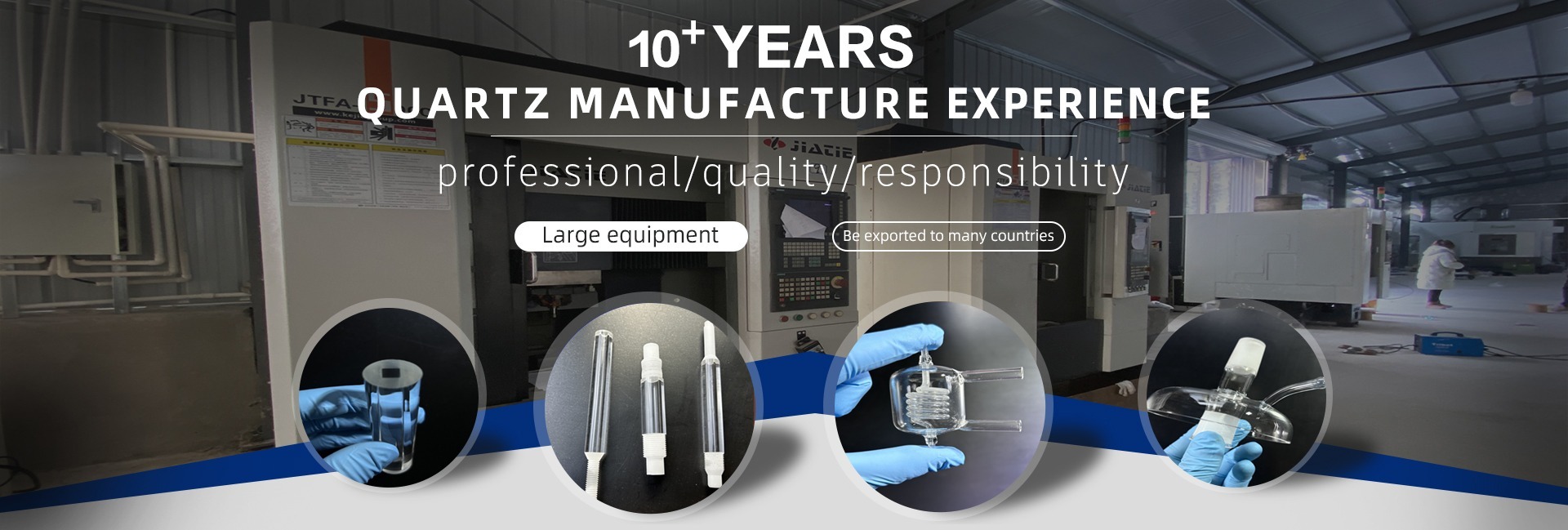
Direct export configurations compliant with international semiconductor, optical, and laboratory standards. Custom fabricated with precision CNC dicing, flame polishing, and laser chamfering.
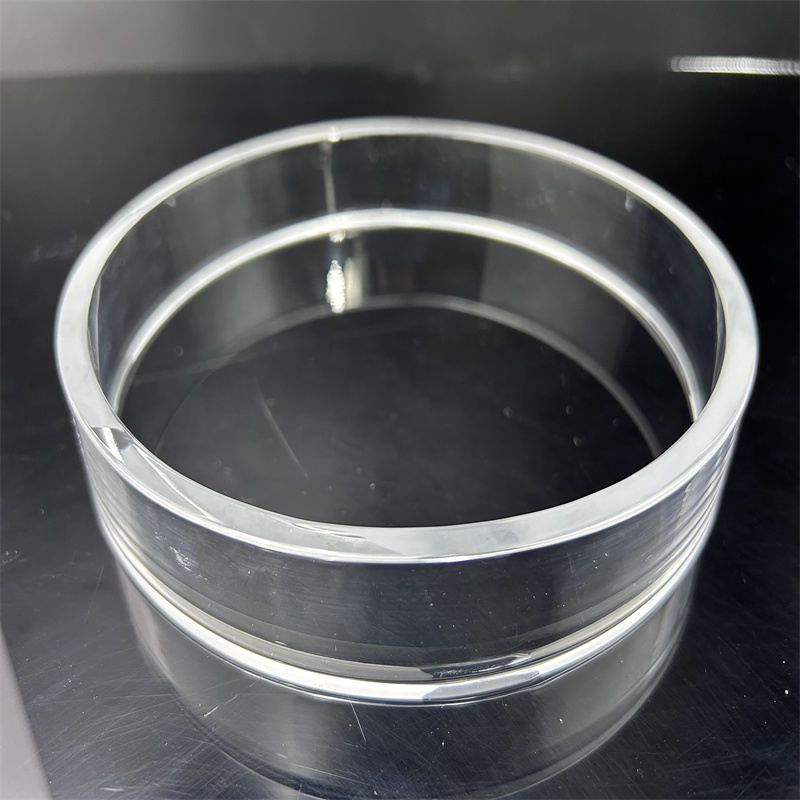
Customizable Fused Quartz Glass Bell Jar for Semiconductor Applications
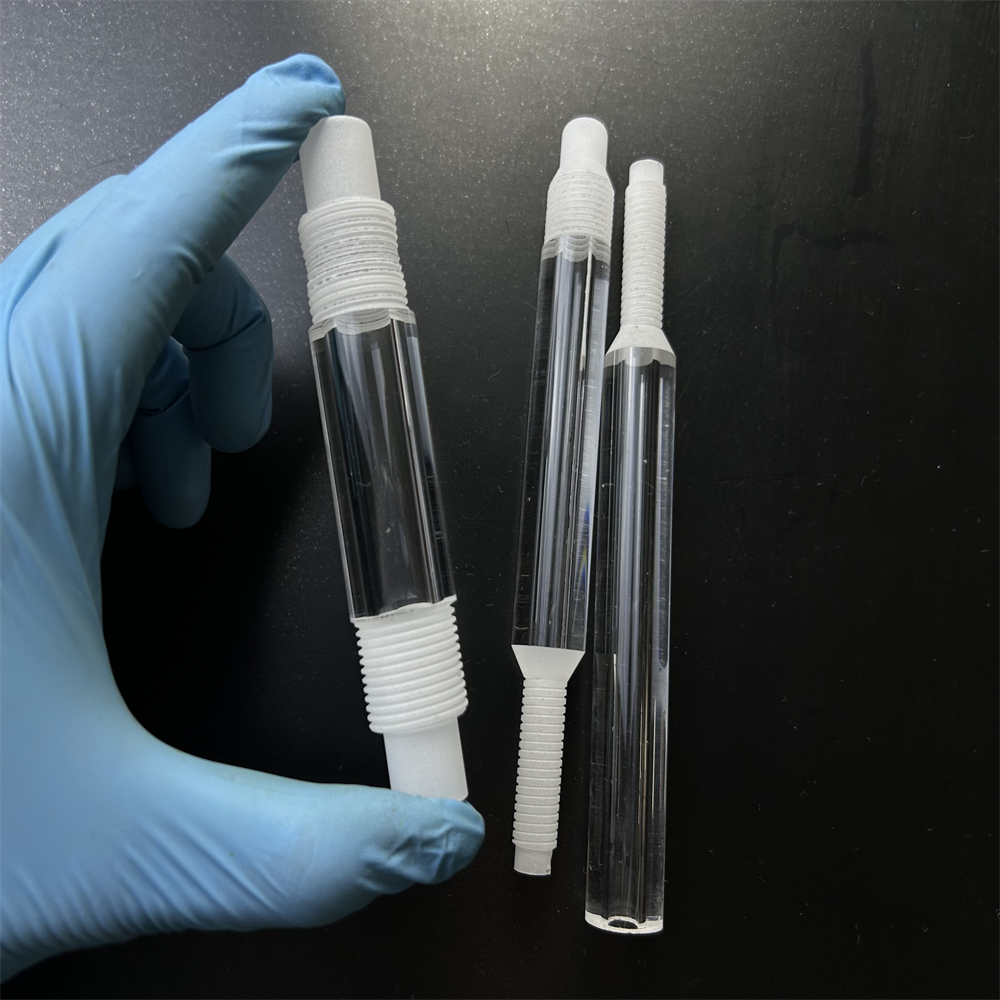
Customized High-Purity Threaded Transparent UV Quartz Glass Tube
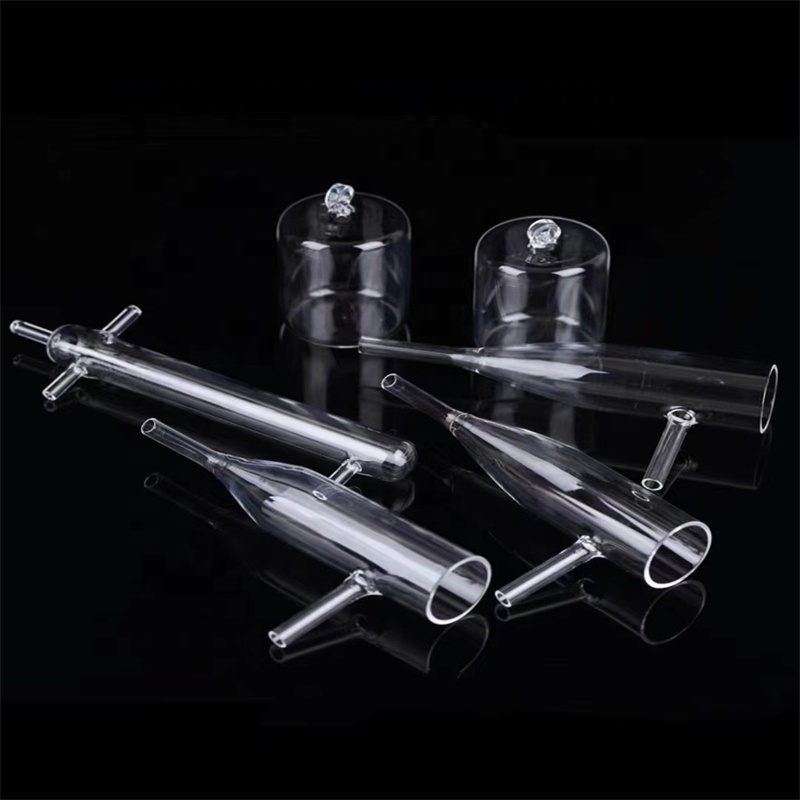
Custom Laboratory High-Temperature Clear Quartz Twin Tube for CVD
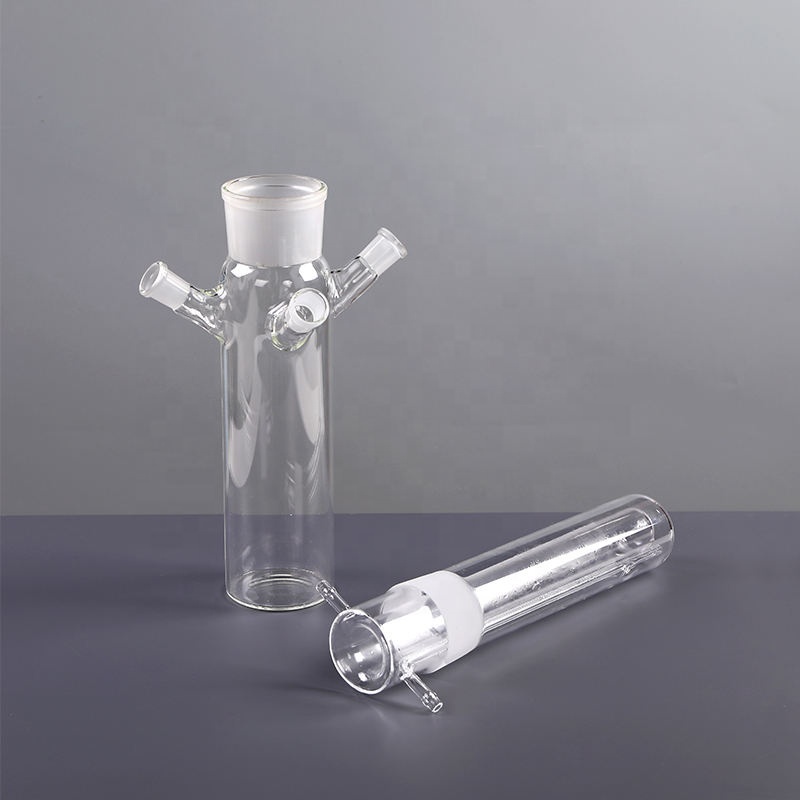
High-Purity Quartz Glass Internal Illumination Photocatalytic Reactor
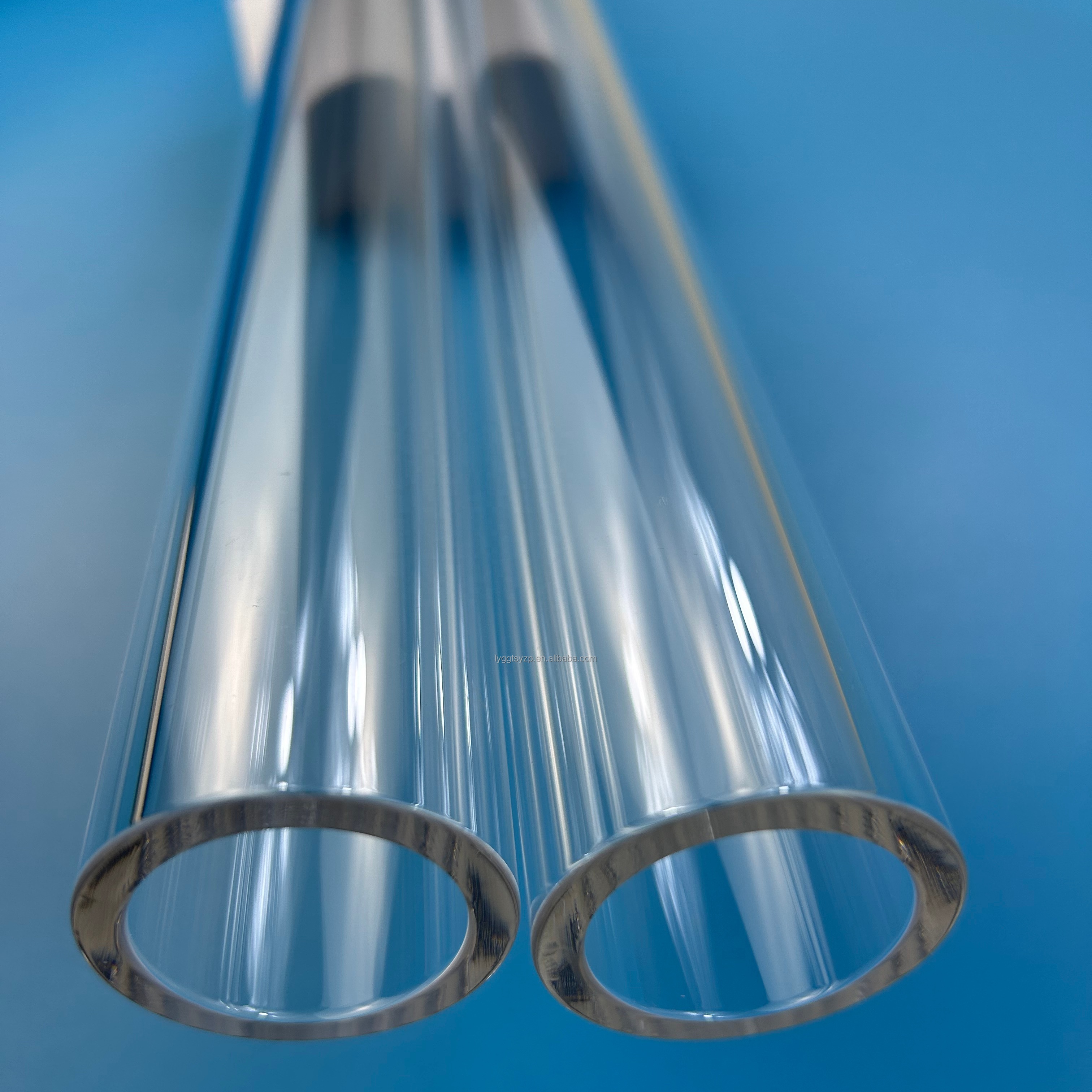
Polished Clear Quartz Twin Tube Ozone-Free Furnace Heater Core
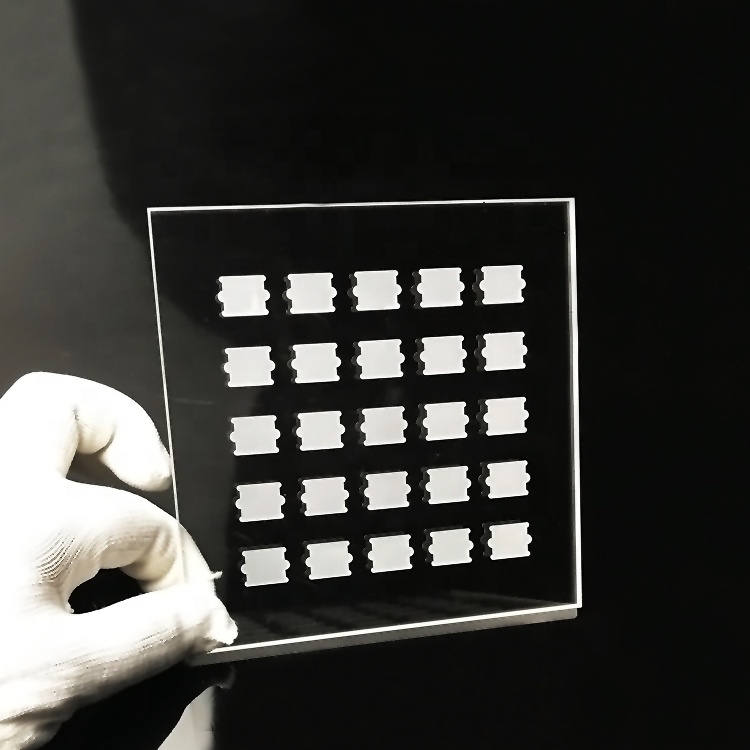
Factory Custom Optical Clear Fused Quartz XRD Sample Holder Disc
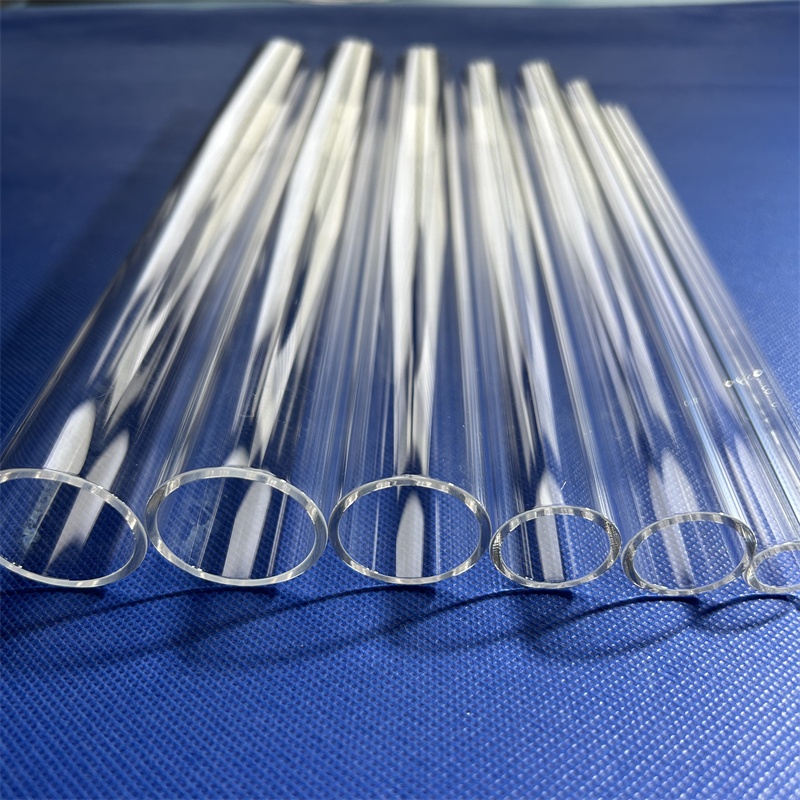
Transparent High-Pressure 99.99% Pure Quartz Tube for Tube Furnaces
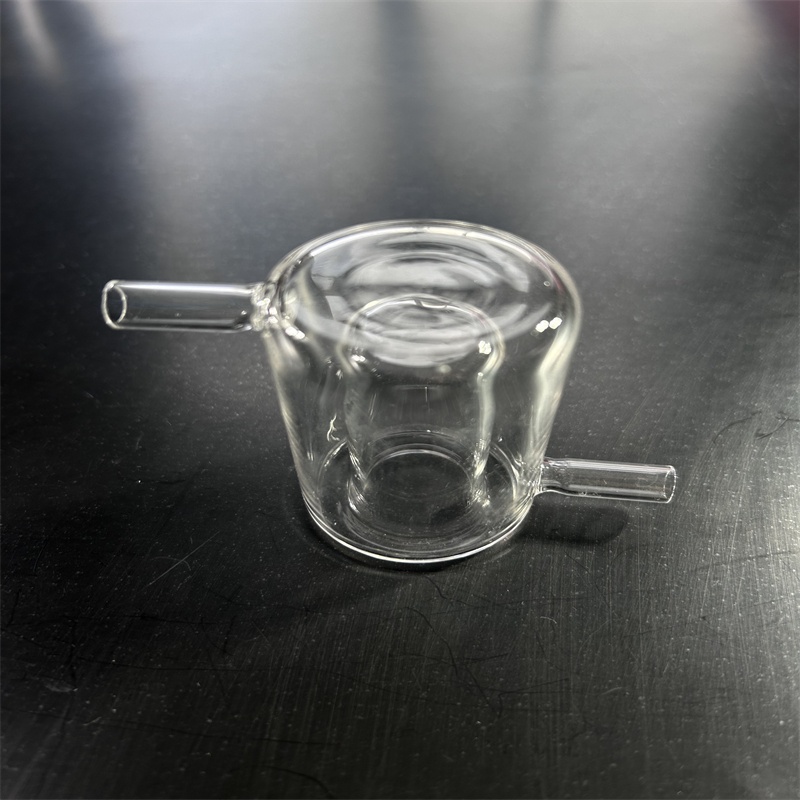
Custom 99.99% Pure Ozone-Free High-Temperature Quartz Reactor Twin Tube
High-Purity Quartz Glass Substrates: Engineering Dynamics & Havana's Strategic Modernization
Quartz glass substrates represent the foundational apex of high-temperature optical, electronic, and biophysical instrumentation. Unlike standard borosilicate or soda-lime formulations, high-purity fused quartz (derived from natural crystallite SiO₂) and synthetic fused silica (synthesized via silicon tetrachloride SiCl₄ gas chemical deposition) exhibit singular mechanical resilience, exceptional optical transmission across ultraviolet (UV), visible (VIS), and near-infrared (NIR) wavelengths, and an extraordinarily low coefficient of thermal expansion (5.5 × 10⁻⁷ /K). For engineers, laboratory directors, and procurement managers in Havana, sourcing reliable, defect-free quartz substrates is no longer merely a procurement task; it is a critical scientific enabler.
Information Gain Note for Engineers: Natural fused quartz (JGS2) exhibits remarkable chemical inertness and structural integrity up to 1300°C with an OH content of 30–150 ppm, ideal for thermal furnace diffusion, CVD carrier boats, and plasma etching. Synthetic fused silica (JGS1), with metallic impurities below 0.1 ppm and no internal micro-bubbles (inclusion class 0), provides superior transmission at deep ultraviolet wavelengths down to 185 nm, rendering it essential for photolithography mask blanks and DNA spectrophotometry.
1. The Havana Industrial Paradigm: Advanced Localization Scenarios
The Republic of Cuba, through its concentrated research parks in the Western Havana Scientific Pole (Polo Científico del Oeste) and the newly developing high-tech manufacturing frameworks in the Mariel Special Development Zone (Zona Especial de Desarrollo Mariel - ZEDM), has cultivated world-class biomedical, pharmaceutical, and clean-energy infrastructure. As laboratories and production lines transition toward high-throughput analytical methodologies and localized renewable energy development, the demand for high-specification quartz glass substrates has grown substantially.
Biopharmaceuticals & Vaccines
In facilities such as the Center for Genetic Engineering and Biotechnology (CIGB), the Center of Molecular Immunology (CIM), and BioCubaFarma subsidiaries, quartz substrates serve as zero-fluorescence optical windows, ELISA reader bases, and chromatography reaction cells requiring total resistance to autoclave sterilization.
Solar Photovoltaics & Clean Grid
Cuba's strategic energy modernization policies emphasize rapid solarization. Fused quartz sheets, carrier plates, and high-purity quartz tubes are critical consumables in the fabrication and calibration of thin-film PV modules, solar simulator test benches, and pyranometer optical covers.
Environmental & Marine Analytics
Monitoring water quality along the Bay of Havana (Bahía de La Habana) and national marine reserves mandates advanced photolytic degradation reactors and UV spectrophotometric cells resistant to aggressive marine salinity, hydrogen sulfide, and photochemical oxidation.
2. Material Science Architecture: Fused Quartz vs. Competing Substrates
Selecting an optimal substrate material requires understanding crystalline and thermal kinematics. Traditional soda-lime glass softens at temperatures barely exceeding 550°C and cracks under moderate thermal shock. Borosilicate 3.3 (Pyrex class) elevates working temperatures to 450°C–500°C with an expansion coefficient of 3.3 × 10⁻⁶ /K. However, under high-vacuum CVD environments, laser ablation, or UV photolithography, both borosilicate and soda-lime fail due to heavy metal ion migration (sodium, boron, and iron leach out) and significant UV cutoff below 320 nm.
By contrast, Zelvo Quartz fused silica substrates maintain chemical purity surpassing 99.999% SiO₂, limiting alkali metals (Na, K, Li) to less than 1 ppm collectively. This atomic purity completely eliminates cross-contamination in semiconductor thin-film deposition and molecular biology assays carried out at the University of Havana (UH) Faculty of Physics and Chemistry. Furthermore, our substrates withstand continuous thermal operation at 1100°C, short-term exposures to 1300°C, and can be heated to 1100°C and immediately quenched in ice-cold water without structural cleavage.
3. Comprehensive Technical Data & Fabrication Tolerances
The table below illustrates the standard certified physical, electrical, and optical properties of Zelvo Quartz substrates supplied to engineering contractors and academic departments in Havana.
| Physical / Thermal Parameter | Standard Fused Quartz (JGS2) | UV Synthetic Silica (JGS1) | Havana Inspection Standard |
|---|---|---|---|
| Chemical Purity (SiO₂ Content) | ≥ 99.99% | ≥ 99.999% | ICP-MS Certified |
| Density (g/cm³) | 2.20 ± 0.01 | 2.20 ± 0.01 | ASTM C693 |
| Continuous Working Temp (°C) | 1100 °C | 1150 °C | Thermocouple Validated |
| Short-term Peak Temp (°C) | 1300 °C | 1350 °C | Softening point: 1683 °C |
| Thermal Expansion Coeff. (20–320°C) | 5.5 × 10⁻⁷ /K | 5.4 × 10⁻⁷ /K | Dilatometric Test |
| Dielectric Constant (at 1 MHz) | 3.78 | 3.75 | IEC 60250 Compliant |
| Surface Roughness (Ra after CMP) | < 1.0 nm | < 0.5 nm (Super-polished) | AFM Profilometry |
| Transmittance Range | 260 nm – 2500 nm (UV-VIS-NIR) | 185 nm – 2500 nm (Deep UV) | Spectrophotometer Logged |
| Parallelism & Flatness | < 30 arcsec; λ/4 per 25mm | < 10 arcsec; λ/10 per 25mm | Zygo Laser Interferometer |
4. Precision Processing Capabilities: Customized from 1 Piece
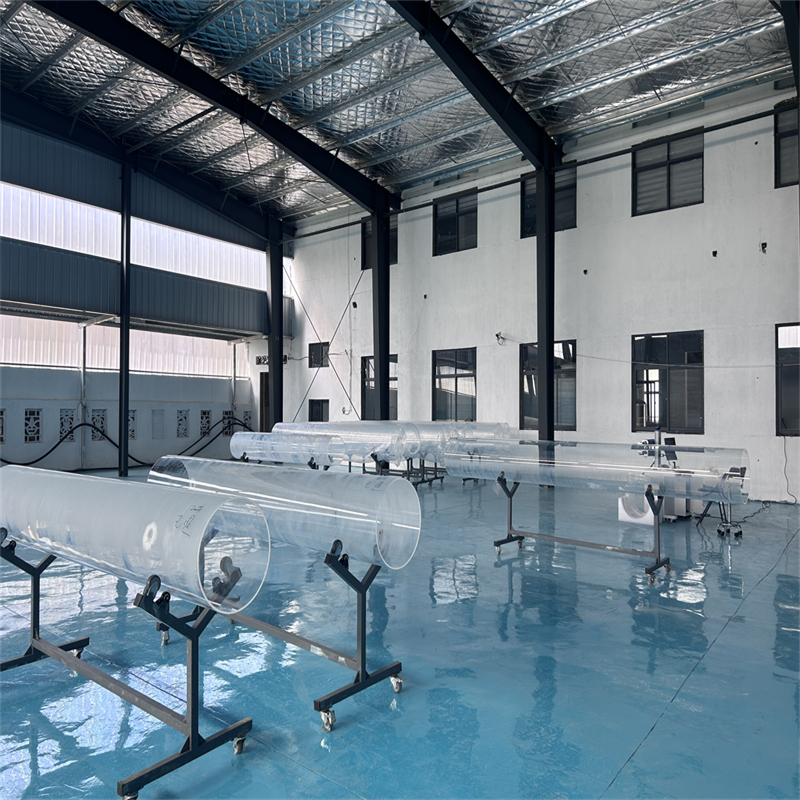
Zelvo Quartz bridges the gap between raw material extraction in Donghai (China's Crystal Capital) and tailored end-use in Havana. We do not restrict buyers to catalogue-only stock sizes. Our multi-axis CNC milling, high-energy CO₂ laser cutting, waterjet trepanning, and optical double-sided Chemical Mechanical Polishing (CMP) workshops manufacture substrates matching exact customer blueprints:
Surface Finish & Edge Processing: Standard ground, commercial pitch polish (60/40 scratch/dig), or laser-grade optical polish (20/10 or 10/5 scratch/dig). Edges can be finished with a standard 45° safety chamfer, C-shaped pencil edge grind, or high-flame glazed edge for particulate-free cleanroom installation.
Micro-Drilling & Laser Grooving: Ultra-fine through-holes down to Ø 0.2 mm with minimal chipping (< 0.05 mm), precision slotting for XRD diffractometer sample holders, multi-well microfluidic pathways, and recessed pockets for sensor die mounting.
5. Strategic Supply Chain: Delivering to Havana & ZED Mariel
Importing precision, fragile quartz components into Cuba requires meticulous logistics planning, customs documentation, and heavy-duty protective crating designed to withstand maritime humidity and multiple transshipment cycles.
Hermetic Multi-Layer Packing
Vacuum-sealed electrostatic barrier bags with silica desiccants protect optical coatings against Caribbean tropical moisture and salty marine atmospheres.
Dual Route Shipping Framework
Express air cargo (7–12 days) via José Martí International Airport (HAV) for critical R&D spares; scheduled maritime FCL/LCL directly into the Port of Mariel terminal.
Complete Customs Clearance Support
We supply authenticated Certificates of Analysis (COA), RoHS/REACH statements, HS Code verification (7002.31, 7006.00), and multi-currency commercial invoicing.
Why Havana Engineering Teams Partner with Zelvo Quartz
Combining primary raw-quartz crystal resources from Donghai County with rigorous engineering leadership and a transparent export model.
Drawing-Based Fabrication
Full CAD/CAM translation from 2D DXF/DWG or 3D STEP files. Tolerances down to ±0.02 mm on CNC machining, laser profiling, and flame glassblowing.
1-Piece Prototype MOQ
Supporting university research groups, doctoral research benches, and pilot-scale trials across Havana without demanding high batch volumes.
100% Pre-Shipment QC
Every substrate plate undergoes visual shadowgraph inspection for bubbles and striations, dimensional micrometer validation, and interferometric flatness checks.
Rapid Technical Feedback
Direct communication with experienced quartz processing engineers. Inquiry response, manufacturability review, and cost quotation delivered within 2 hours.
Frequently Asked Questions by Havana Buyers
Real-world technical, logistical, and commercial inquiries answered by our export engineering team.
How does your factory ensure that fragile quartz substrates arrive unbroken in Havana?
Quartz substrates are inherently brittle. For Caribbean transit, every individual substrate is first wrapped in dust-free lintless protective tissue, vacuum-sealed in an antistatic barrier pouch, and suspended within high-density expanded polyethylene (EPE) custom-cut foam cavities. These packs are loaded into double-wall export corrugated boxes, which are subsequently anchored inside heavy-duty, IPPC-certified fumigated plywood shipping crates with integrated shock-absorption dampeners. This packaging methodology has maintained a 99.8% zero-breakage record across global shipments to North America, Europe, and Latin America.
What is the standard lead time for custom-cut substrates delivered to Greater Havana or ZED Mariel?
Standard square, circular, or rectangular substrates without special hole drilling are fabricated and optically inspected within 5 to 8 working days. Complex components requiring multi-axis CNC milling, laser drilling, or twin-tube furnace welding require 10 to 14 working days. For urgent laboratory downtime, we utilize international courier air freight to José Martí International Airport (HAV) with a typical door-to-port timeline of 7 to 12 days. Bulk containerized sea freight to the Port of Mariel takes approximately 35 to 45 days from Shanghai or Ningbo ports.
What specific quartz grade should we specify for photochemical and UV spectrometry applications?
For deep ultraviolet illumination, fluorescence analysis, and excimer laser research down to 185 nm – 260 nm, synthetic fused silica (JGS1 equivalent) must be specified. JGS1 features near-zero metallic impurities and no absorption band around 245 nm. For high-temperature tubular reactors, general visual windows (300 nm – 2500 nm), or furnace carrier plates operating above 1000°C, natural clear fused quartz (JGS2) provides the optimal balance of mechanical strength, high softening temperature (1683°C), and cost-efficiency.
Can you provide custom XRD sample holders with zero background scattering for crystallographic labs in Havana?
Yes. We fabricate single-crystal zero-background sample holders as well as non-crystalline amorphous fused quartz plates with custom-milled central wells (depths from 0.1 mm to 2.0 mm). Our chemical-mechanical polishing (CMP) guarantees an ultra-flat surface (λ/10) with negligible background noise, ensuring sharp peak resolution during X-ray diffraction tests on catalysts, active pharmaceutical ingredients (APIs), and nanomaterials.
What commercial and payment options do you support for Cuban institutions and regional distributors?
We provide flexible trade terms including FOB China main ports, CIF Havana, CIP José Martí Airport, and EXW. To accommodate international trade clearance requirements, we accept multiple settlement currencies including Euros (EUR), Canadian Dollars (CAD), Chinese Yuan (CNY), and Swiss Francs (CHF) via compliant international wire transfer (T/T), confirmed irrevocable Letters of Credit (L/C), or third-party verified escrow systems.
Do you fabricate customized twin-tube or bell jar configurations based on legacy laboratory equipment?
Yes. Many research centers in Havana operate high-grade furnace systems originally manufactured in Europe, Russia, or North America that require replacement quartz chambers. Simply provide a hand sketch with critical dimensions (outer diameter, wall thickness, flange specifications, overall length), or ship a broken sample or photos. Our master glass blowers will accurately reverse-engineer the part with equal or superior SiO₂ purity and precision ground joints.
Request a Customized Quartz Substrate Quotation for Havana
Send us your required dimensions, CAD drawings, operating temperatures, or optical wavelength requirements. Our engineering team reviews feasibility, material selection, and freight optimization with guaranteed feedback within 2 hours.