Precision Quartz Components for Demanding Environments
From high-temperature pyrometer windows and slotted XRD analysis carriers to ozone-free twin-tube reactor bodies, explore our specialized export catalog engineered to DIN/ISO optical standards.
Engineering High-Purity Fused Quartz Sensor Windows for Kharkiv’s Industrial Ecosystem
A rigorous examination of optical transmissive limits, extreme mechanical gradients, and corrosive process chemistry in Eastern Ukrainian manufacturing and instrumentation.
1. The Industrial Operating Realities of Kharkiv: Harsh Environment Optoelectronics
Kharkiv has long stood as an epicenter of advanced machinery, nuclear physics research, electro-optical manufacturing, and heavy energy generation in Eastern Europe. The operational conditions facing industrial instrumentation in the Kharkiv Oblast are severe. From the high-temperature combustion chambers and steam turbines produced along the Ulyanov and Moskovsky avenues to the cryogenic laser chambers and high-vacuum physics laboratories at the National Science Center "Kharkiv Institute of Physics and Technology" (KIPT) and Karazin Kharkiv National University, sensor viewports are subjected to violent thermal differentials, corrosive chemical environments, and mechanical shock loads.
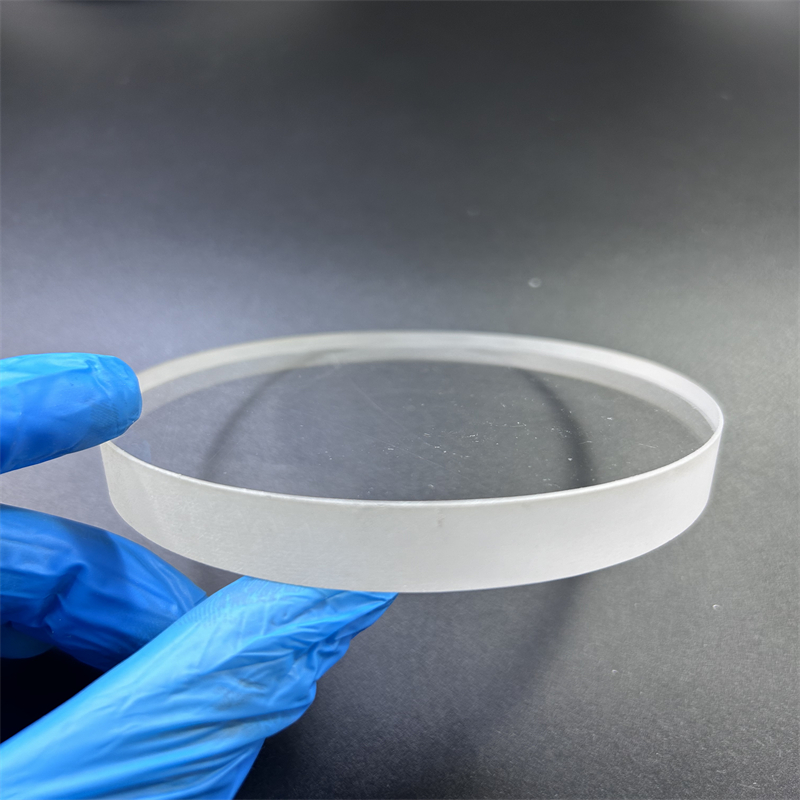
Standard borosilicate sight glasses or commercial float glasses fail catastrophically when subjected to these conditions. When process equipment experiences immediate temperature swings from ambient Ukrainian winter baselines (-25°C) up to operational limits exceeding +900°C, commercial glasses experience immediate brittle fracture due to internal expansion gradients. Lianyungang Zelvo Quartz Products Co., Ltd. engineers and exports high-purity (99.99% to 99.999% SiO₂) fused silica and natural fused quartz sensor windows explicitly fabricated to mitigate these points of physical degradation. With a virtually negligible coefficient of thermal expansion (5.5 × 10⁻⁷ / °C between 20°C and 1000°C), our quartz sensor windows can withstand instant thermal shock—including red-hot quenching directly into freezing water without structural propagation of micro-cracks.
2. Spectral Bandwidth Engineering: DUV, Visible, and Infrared Cut-Off Dynamics
Sensor windows in analytical spectrometers, industrial pyrometers, and laser-guided positioning devices must deliver predictable transmissive integrity. Our manufacturing facility in Donghai County—the crystal center of China—categorizes raw quartz feedstocks into three primary material designations depending on the exact sensor bandwidth required by Kharkiv engineers:
JGS1 (Synthetic Fused Silica): Produced through chemical vapor deposition of silicon tetrachloride (SiCl₄) in an oxy-hydrogen flame. Characterized by absolute freedom from microscopic bubbles and inclusions, JGS1 exhibits outstanding transmission in the deep ultraviolet spectrum (DUV) starting from 185 nm through 2500 nm. It features no absorption bands in the 180–300 nm region, making it the premier choice for UV photolithography sensors, mercury-lamp calibration detectors, and flame safeguard radiometers used in turbine burner systems.
JGS2 (Optical Grade Fused Quartz): Smelted from purified natural crystalline silica under an electro-vacuum or hydrogen gas environment. Offering an optimal cost-to-performance ratio, JGS2 provides superior light transmission across the near-UV, visible, and near-infrared range (220 nm to 2500 nm). It is the standard industrial workhorse for high-temperature level gauge viewports, boiler combustion observation windows, and machine-vision camera housings throughout Kharkiv’s machine manufacturing workshops.
JGS3 (Infrared Grade Optical Quartz): Synthesized via gas-free electrical vacuum fusion to strip out Hydroxyl (OH⁻) ions down to < 5 ppm. Standard fused quartz exhibits a notorious deep absorption notch at 2.73 μm caused by fundamental O-H molecular stretching vibrations. JGS3 completely eliminates this absorption dip, allowing smooth optical transmission across the entire spectrum up to 3.5 μm to 4.2 μm. This allows Kharkiv thermal imaging operators, pyrometric monitoring systems, and non-contact IR thermometry stations to read process temperatures above 1000°C without signal attenuation or spectral distortion.
| Physical / Optical Parameter | JGS1 (Synthetic Silica) | JGS2 (Optical Quartz) | JGS3 (Infrared Silica) | Borosilicate Glass (3.3) |
|---|---|---|---|---|
| Primary Spectral Range | 185 nm – 2500 nm (DUV/UV) | 220 nm – 2500 nm (UV/Vis) | 260 nm – 3500 nm (Vis/IR) | 350 nm – 2000 nm (Visible only) |
| OH Content (Hydroxyl Impurity) | ≈ 1200 ppm (Standard) | ≈ 30 – 150 ppm | ≤ 5 ppm (Water-Free) | N/A (Complex alkali network) |
| Continuous Max Working Temp | 1100 °C | 1100 °C | 1150 °C | 450 °C – 500 °C |
| Short-Term Degradation Limit | 1300 °C | 1300 °C | 1350 °C | 550 °C |
| Thermal Expansion (20-300°C) | 5.5 × 10⁻⁷ K⁻¹ | 5.5 × 10⁻⁷ K⁻¹ | 5.5 × 10⁻⁷ K⁻¹ | 32.5 × 10⁻⁷ K⁻¹ (6x Higher) |
| Thermal Shock Resistance (ΔT) | > 1100 °C (Quench to 20°C) | > 1100 °C (Quench to 20°C) | > 1100 °C (Quench to 20°C) | ≈ 150 °C (Prone to crack) |
| Dielectric Constant (1 MHz) | 3.75 | 3.75 | 3.75 | 4.60 |
| Chemical Resistance | Inert to all acids (excl. HF/H₃PO₄) | Inert to all acids (excl. HF/H₃PO₄) | Inert to all acids (excl. HF/H₃PO₄) | Degrades in alkaline/acidic steam |
Where Our Quartz Sensor Windows Function in Kharkiv
From advanced scientific instrumentation to turbine test benches, our quartz sensor components provide mission-critical containment and optical transmission across key regional installations.
Academic & Nuclear Physics Research
Installed at facilities like the National Science Center KIPT and the Institute for Single Crystals (NAS of Ukraine). Custom JGS1 DUV fused silica windows serve as laser excitation sight ports, particle accelerator beam-line viewing cells, and high-vacuum synchrotron inspection ports where radiation resistance and ultra-low scatter are non-negotiable.
Heavy Machinery & Power Turbine Systems
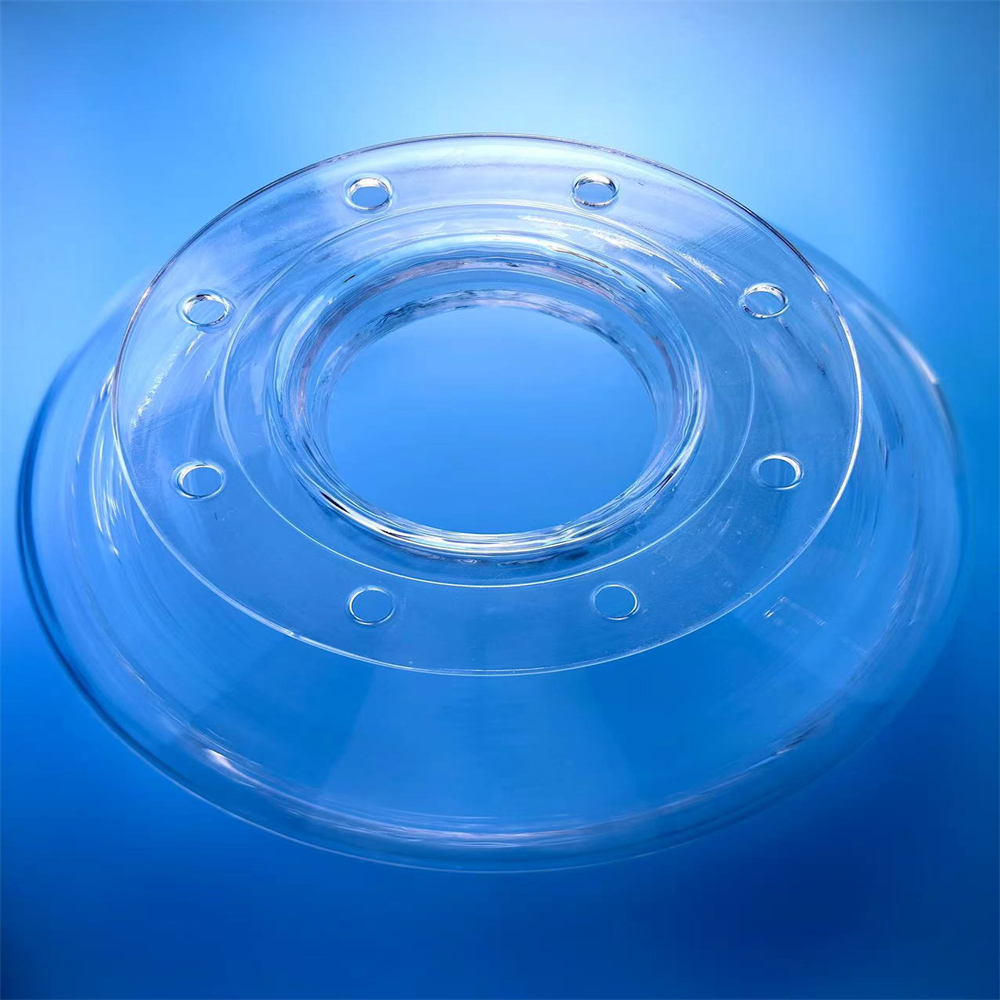
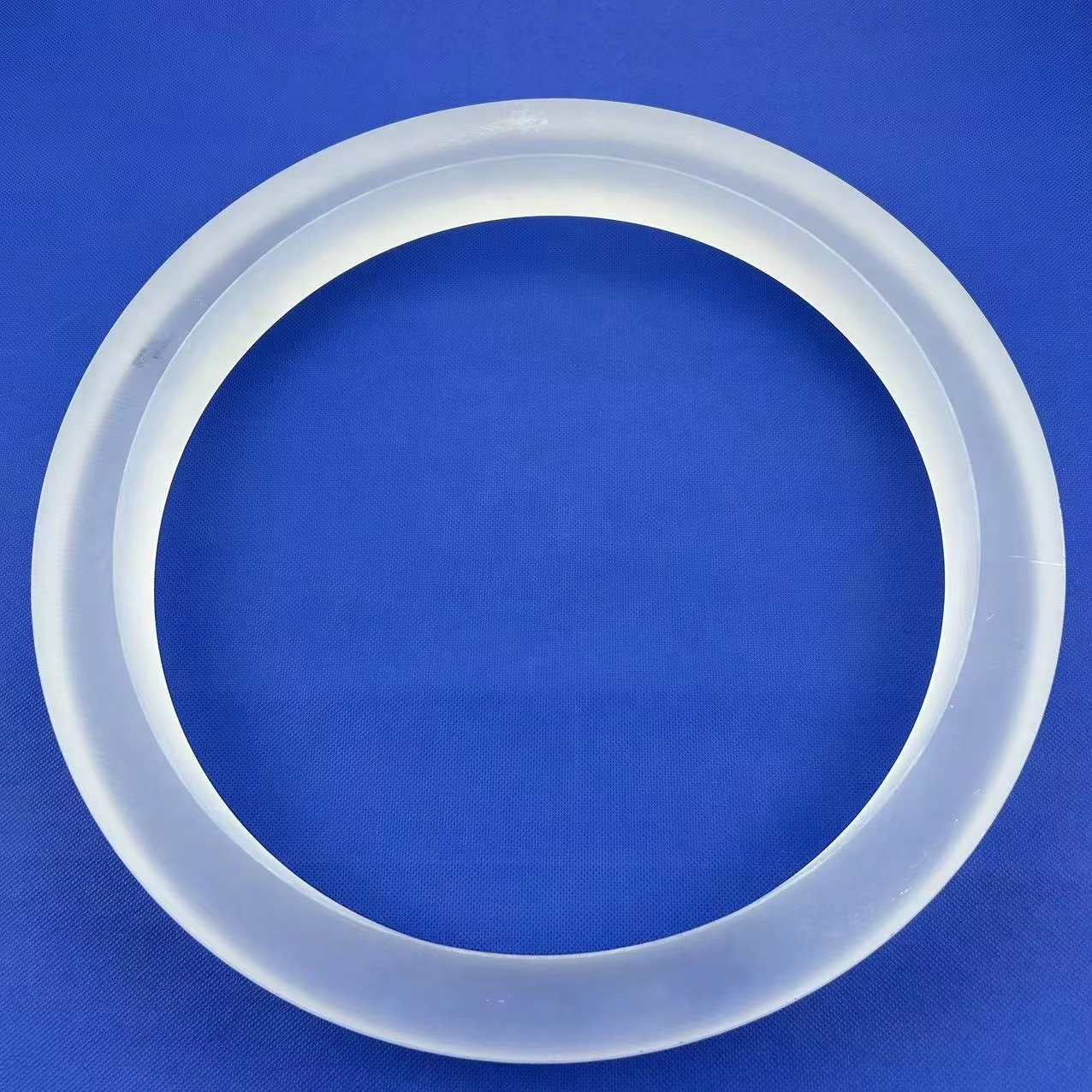
Servicing the heavy industrial cluster around Turboatom and regional thermal power generation stations. Our flanged fused quartz sight glasses monitor high-pressure superheated steam lines (>180 bar) and flame detection sensors in combustion chambers, guaranteeing crack-free durability under cyclic thermal excursions.
Chemical & Pharmaceutical Analytical Cells
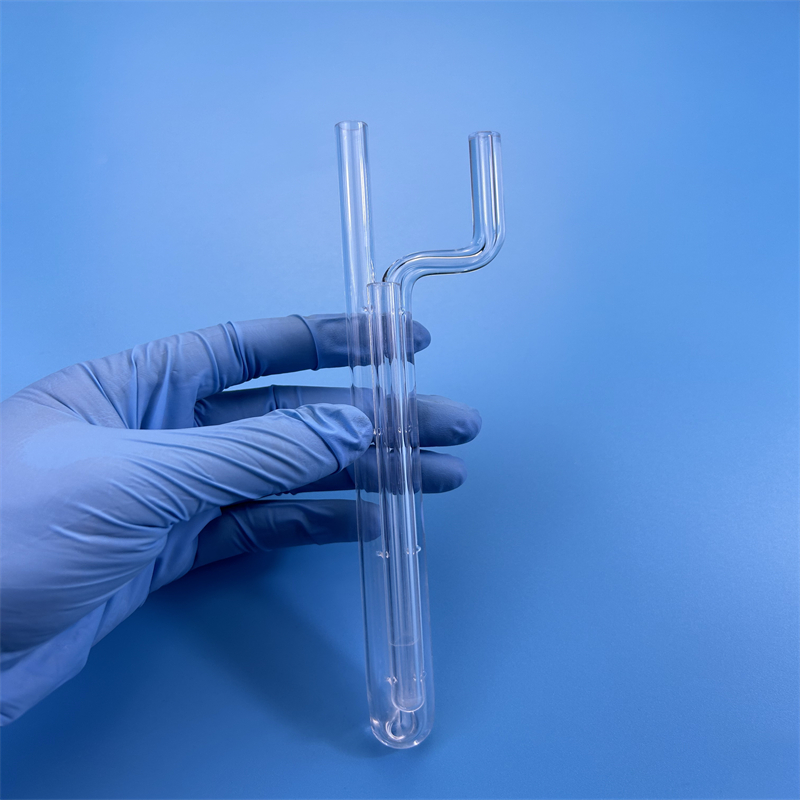
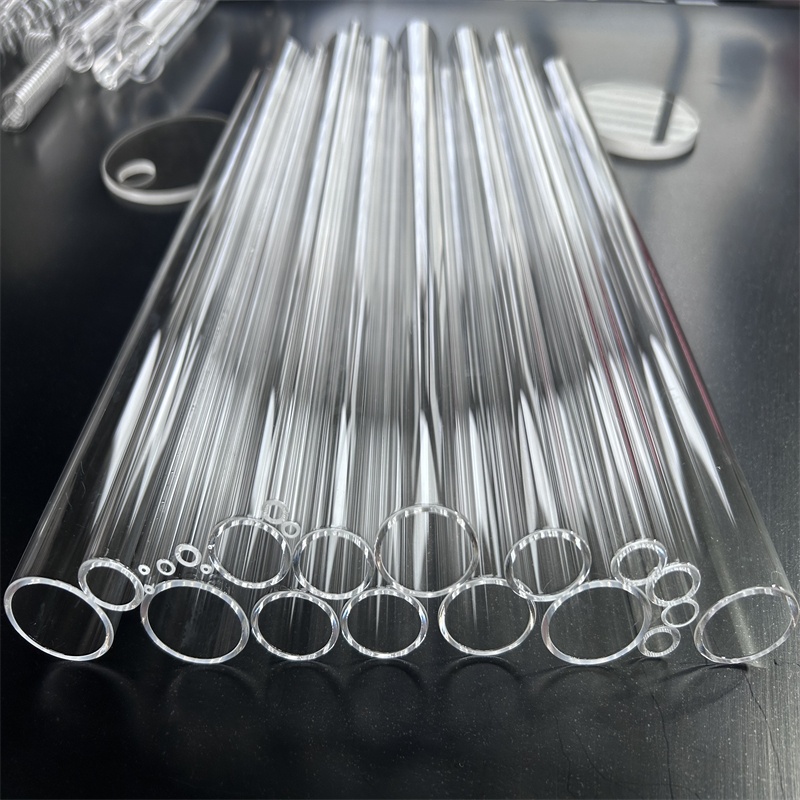
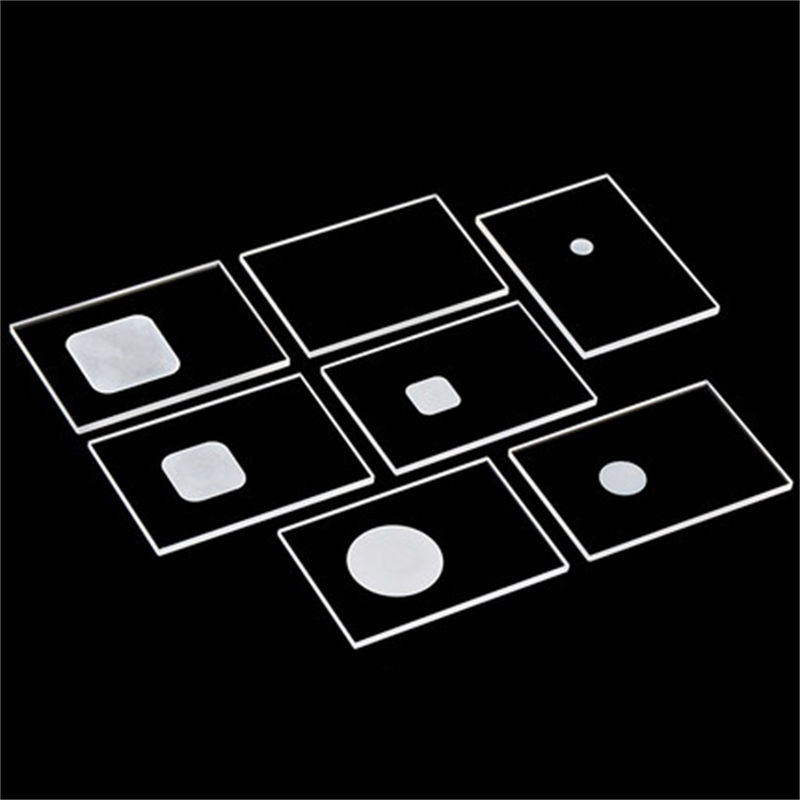
Kharkiv's extensive chemical and pharmaceutical synthesis laboratories require inert optical windows. Our polished quartz plates and twin-tube chemisorption cells resist hot concentrated acids, aqua regia, and halogen vapours, providing uninterrupted light paths for inline UV-Vis spectrophotometry without leaching silica impurities.
Defense Optronics & Remote Thermal Sensors
Modern defense systems and municipal emergency rebuild crews require protective quartz cowlings and pyrometric windows. Operating in rugged terrain, these scratch-resistant (Mohs 5.5–6.5) windows protect sensitive infrared arrays from high-velocity airborne particulate abrasion and sudden flash-heat spikes.
Rebuilding & Modernizing Kharkiv: Industrial Trends (2025–2030)
How Eastern Ukraine's post-industrial transformation is driving unprecedented demand for next-generation optical materials and precision-machined quartz interfaces.
Decentralized Energy & Turbine Retrofits
Modernization of Kharkiv’s thermal and combined heat and power (CHP) installations prioritizes automated flame monitors and optical infrared pyrometry. Municipal utilities are replacing dated Soviet-era mica and borosilicate viewport plugs with optical-grade fused silica flanges to automate continuous combustion monitoring and reduce fuel consumption.
Sensor-Driven Clean-Tech & Water Disinfection
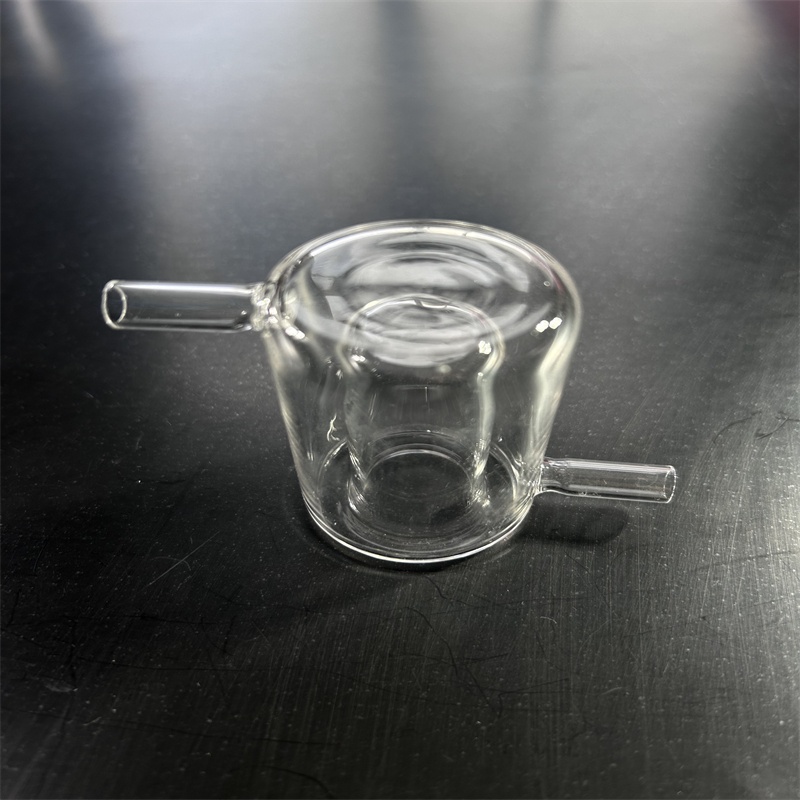
Reconstruction of water distribution utilities across the Kharkiv Oblast has catalyzed massive adoption of high-output ultraviolet (UV-C) water purification. This creates substantial recurring demand for high-transmission ozone-free fused quartz sleeve reactors, UV sensor immersion wells, and transmissive optical monitoring windows.
Additive Manufacturing & Laser Metrology
Kharkiv's emerging private tech firms are rapidly scaling metal selective laser melting (SLM) and direct energy deposition (DED). High-power fiber lasers demand beam delivery windows with zero thermal lensing, certified low bulk absorption (< 50 ppm/cm at 1064 nm), and optical anti-reflective (AR) thin-film coatings capable of surviving high-vacuum powder-bed atmospheres.
Why Kharkiv Engineers Source Directly from Zelvo Quartz
Combining Donghai’s raw crystal supremacy with precision CNC machining, custom glass-blowing craftsmanship, and documented quality verification.
Source-Verified 99.99% Raw Materials
Located in Donghai County, Jiangsu, China’s renowned "Crystal Capital", our factory maintains complete vertical traceability. Every sensor window is shaped from natural crystalline or synthetic silica feedstocks, eliminating interstitial bubbles, striations, and microscopic inclusions.
Sub-Millimeter CNC & Laser Fabrication
Equipped with 5-axis ultrasonic CNC grinding machines, precision laser cutting/drilling centers, and high-temperature flame annealing benches. We fabricate custom bevels, through-holes, slots, polished steps, and welded flanges holding dimensional tolerances to ±0.05 mm.
Prototyping Starting at 1 Piece
We believe advanced research should not be bottlenecked by rigid supplier policies. Zelvo Quartz provides custom drawing-based production from a single prototype piece up to containerized mass batches, backed by an engineer-led response time under 2 hours.
Secure Multi-Modal Global Logistics
Navigating export routes directly to Ukraine via regional European transit hubs (Poland, Romania) using impact-absorbent triple-wall plywood cases, anti-static moisture barriers, and custom high-density EPE molded foam inserts with 100% zero-breakage track record.
Frequently Asked Questions: Sourcing Quartz Sensor Windows in Kharkiv
Clear, direct answers regarding custom tolerances, chemical durability, import clearance, and logistics arrangements into Ukraine.
How do we calculate the safe thickness for quartz pressure sight glasses?
Safe thickness calculation depends on the unsupported diameter ($d$), design pressure ($P$ in bar), and the material's permissible flexural stress ($\sigma = 67 \text{ MPa}$, applying an engineering safety factor of 8 to 10 for pressure vessels). Using the Timoshenko clamped-edge equation: $t = d/2 \cdot \sqrt{(C \cdot P) / \sigma}$. For high-pressure turbine lines in Kharkiv operating up to 40 bar, we custom grind fused quartz discs with thickness ranges from 12 mm to 35 mm, with ground chamfers to distribute clamping stress uniformly across graphite or PTFE gaskets.
How does Zelvo Quartz route freight to Kharkiv amid current logistics realities?
We provide full logistics support under DAP, CIP, or DDP terms into Kharkiv. Freight typically departs China via air express (DHL/FedEx) or consolidated air cargo to major logistics hubs in Poland (Warsaw, Katowice, or Rzeszów) or Romania. From there, specialized land transit carries the cargo through customs into Ukraine with final delivery directly to your Kharkiv facility or regional warehouse hub. All shipments are insured and double-boxed.
Can you manufacture sensor windows according to Ukrainian GOST or DSTU drawing standards?
Yes. Our sales and engineering teams regularly translate legacy Ukrainian GOST specifications (e.g., GOST 15130-86 for optical quartz glass, GOST 9424-79) into modern international equivalents (DIN ISO 12123, MIL-PRF-13830B). You can send drawings in PDF, DWG, DXF, or STEP format with annotations in Ukrainian or English; our technicians will confirm dimensional tolerances, surface figure (λ/4 or λ/10), and scratch-dig specifications (20-10 to 60-40) before commencing CNC cutting.
What surface coatings can you apply to quartz sensor viewports?
We provide optical thin-film coatings configured for specific sensor operating bands. These include Broad-Band Anti-Reflective (BBAR) coatings achieving > 99% transmission across visible (400–700 nm), NIR (750–1100 nm), or telecom wavelengths; metallic/dielectric high-reflection (HR) mirror films; and Indium Tin Oxide (ITO) conductive coatings for defogging and electromagnetic shielding in military or industrial vision housings.
What documentation and purity certifications accompany export shipments?
Every shipment arrives with a comprehensive Certificate of Analysis (CoA) documenting purity levels (≥99.99% SiO₂), mass spectrometry trace impurity readouts (Fe, Al, Ti, Ca, Mg in ppm), dimensional inspection sheets, and spectrophotometer transmission curve charts across your designated wavelength spectrum. We can also provide material safety datasheets (MSDS) and custom declaration documents for streamlined Ukrainian customs clearance.
How does high-purity quartz resist chemical corrosion in Kharkiv chemical processing?
Fused silica is almost universally chemically inert. It does not react with hydrochloric acid, nitric acid, sulfuric acid, or aggressive organic solvents even at elevated temperatures up to 800°C. The only known chemical substances that attack quartz glass are Hydrofluoric Acid (HF), concentrated boiling Phosphoric Acid ($H_3PO_4$ above 150°C), and concentrated strong alkaline solutions (such as molten NaOH or KOH) at elevated thermal thresholds.
Need a Custom Quartz Sensor Window Quote for Your Kharkiv Project?
Send our senior engineering team your 2D/3D CAD sketches, operating temperatures, spectral requirements, and quantities. We will evaluate technical feasibility and return a detailed quote and delivery schedule within 2 hours.