Engineered Fused Quartz Tubes & Thermal Components
Custom fabricated with 99.99% high-purity SiO₂ raw material, delivering mechanical resilience, high IR transmission, and thermal shock resistance up to 1100°C for Bitola's demanding industrial applications.
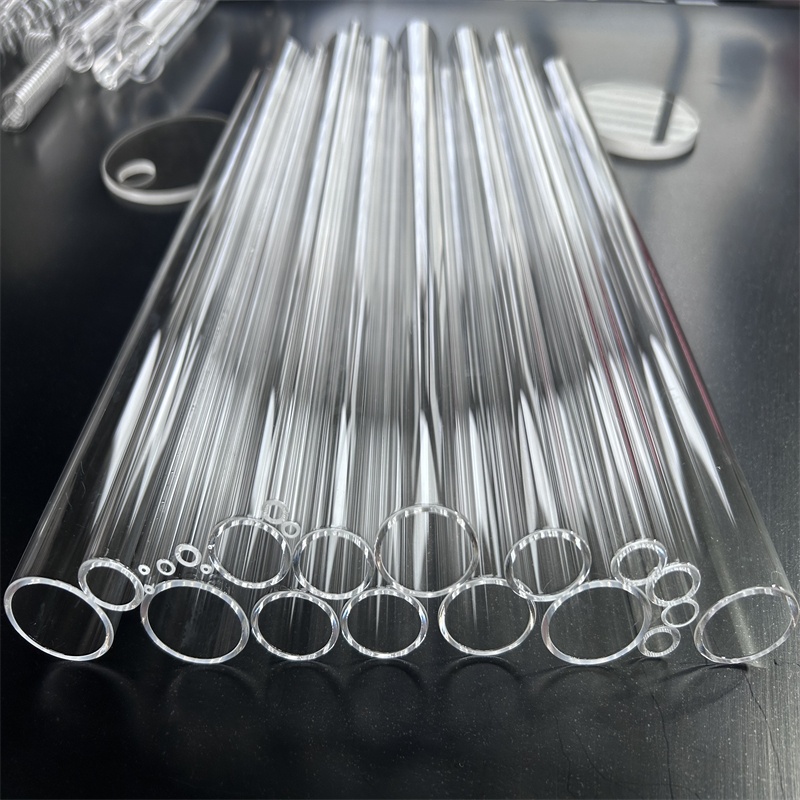
High Temperature Heat Resistant Clear 99.99% Pure Fused Quartz Twin Tube
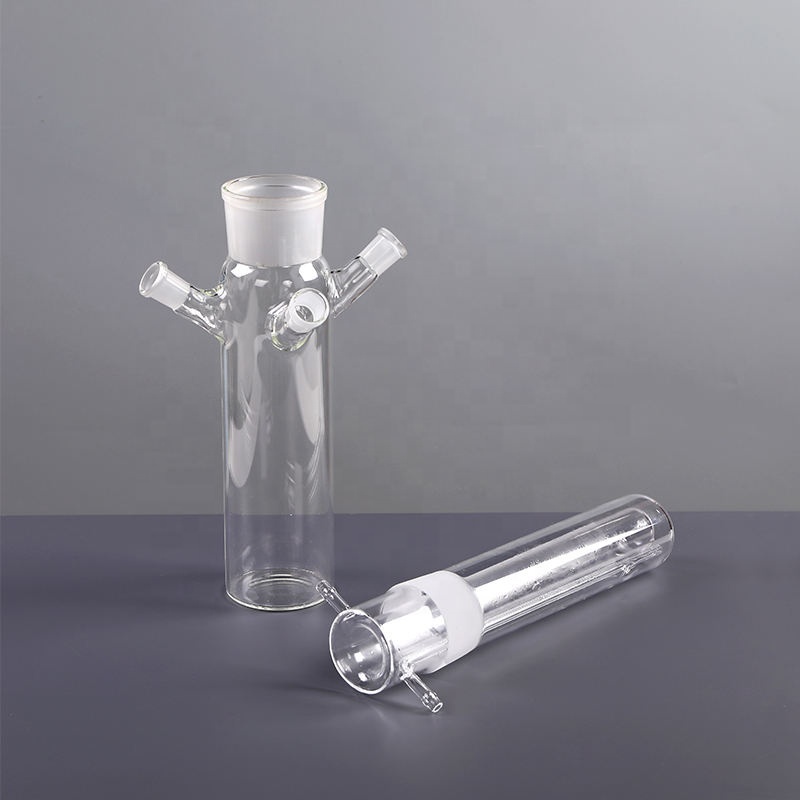
Customized High-Purity Quartz Glass Reactor Container
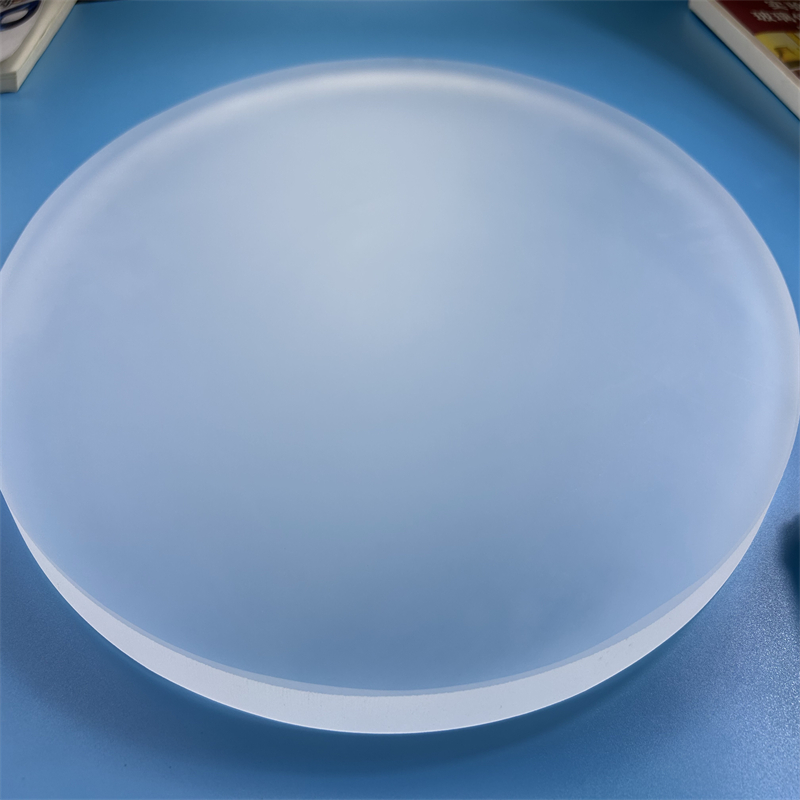
High Temperature Resistance Frosted Quartz Disc & Plate
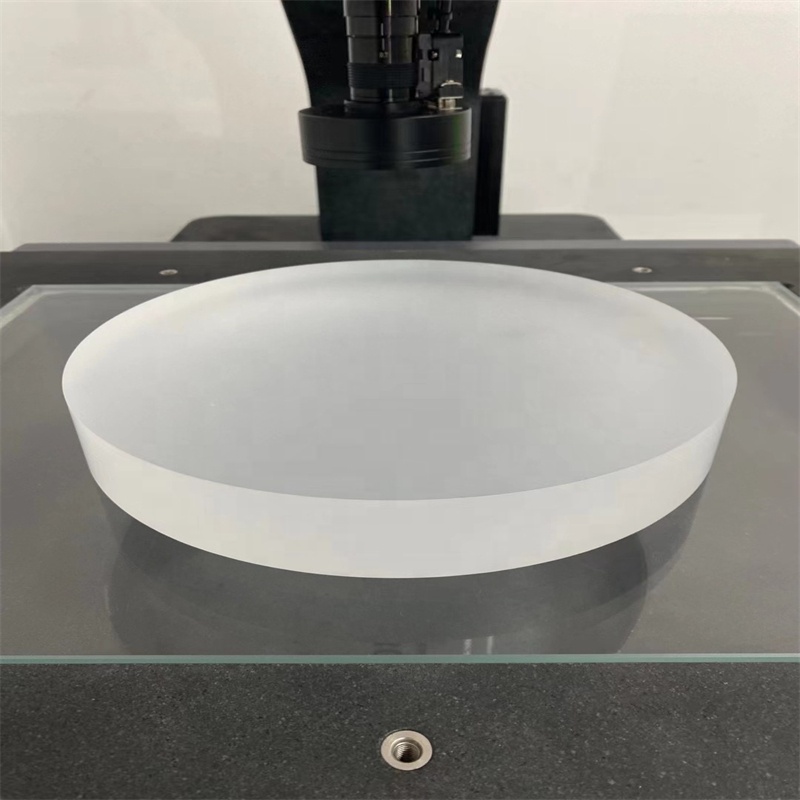
Custom Size Clear Fused Quartz Plate (1100°C Rated)
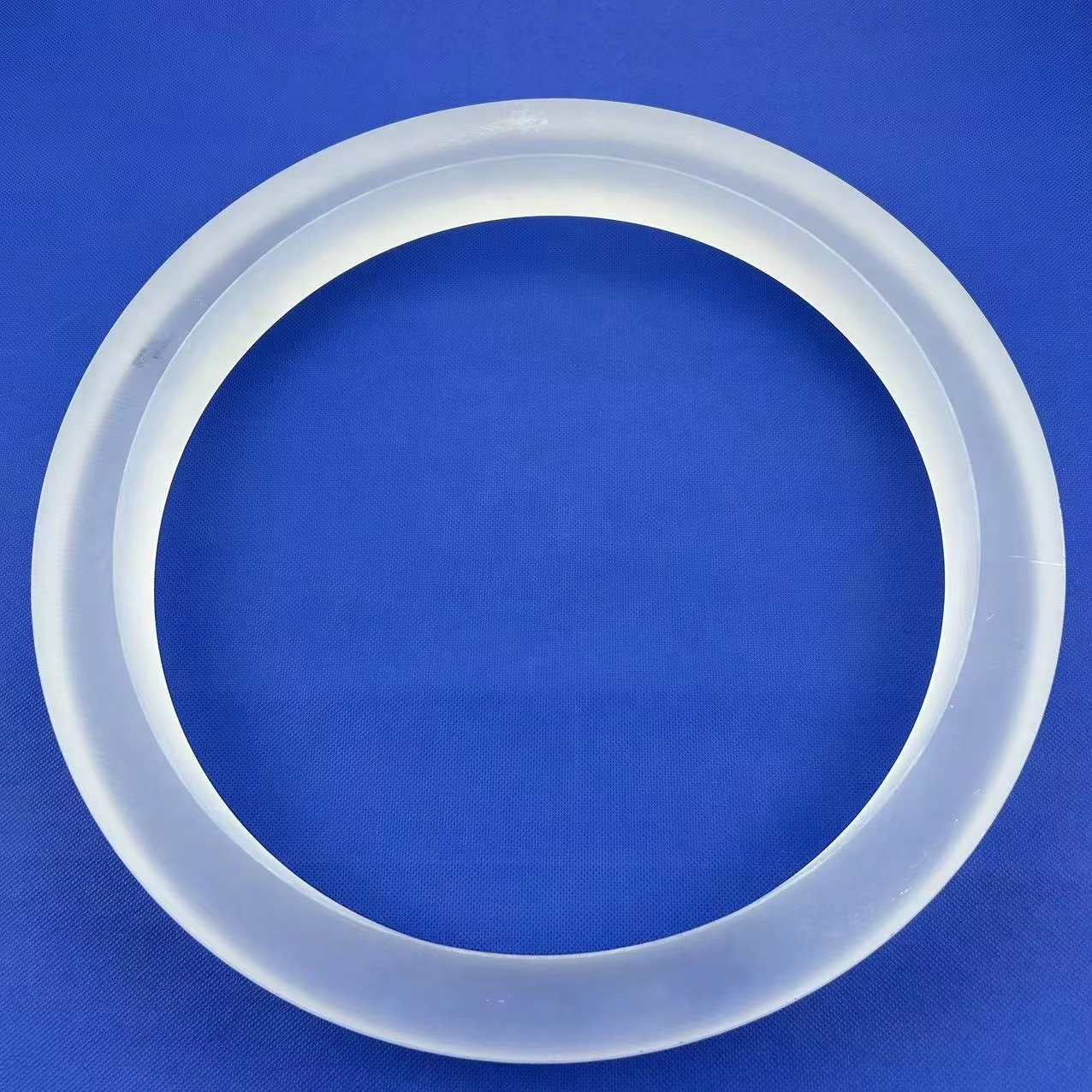
Custom Coated 99.99% Pure Quartz Rings for CVD & Vacuum
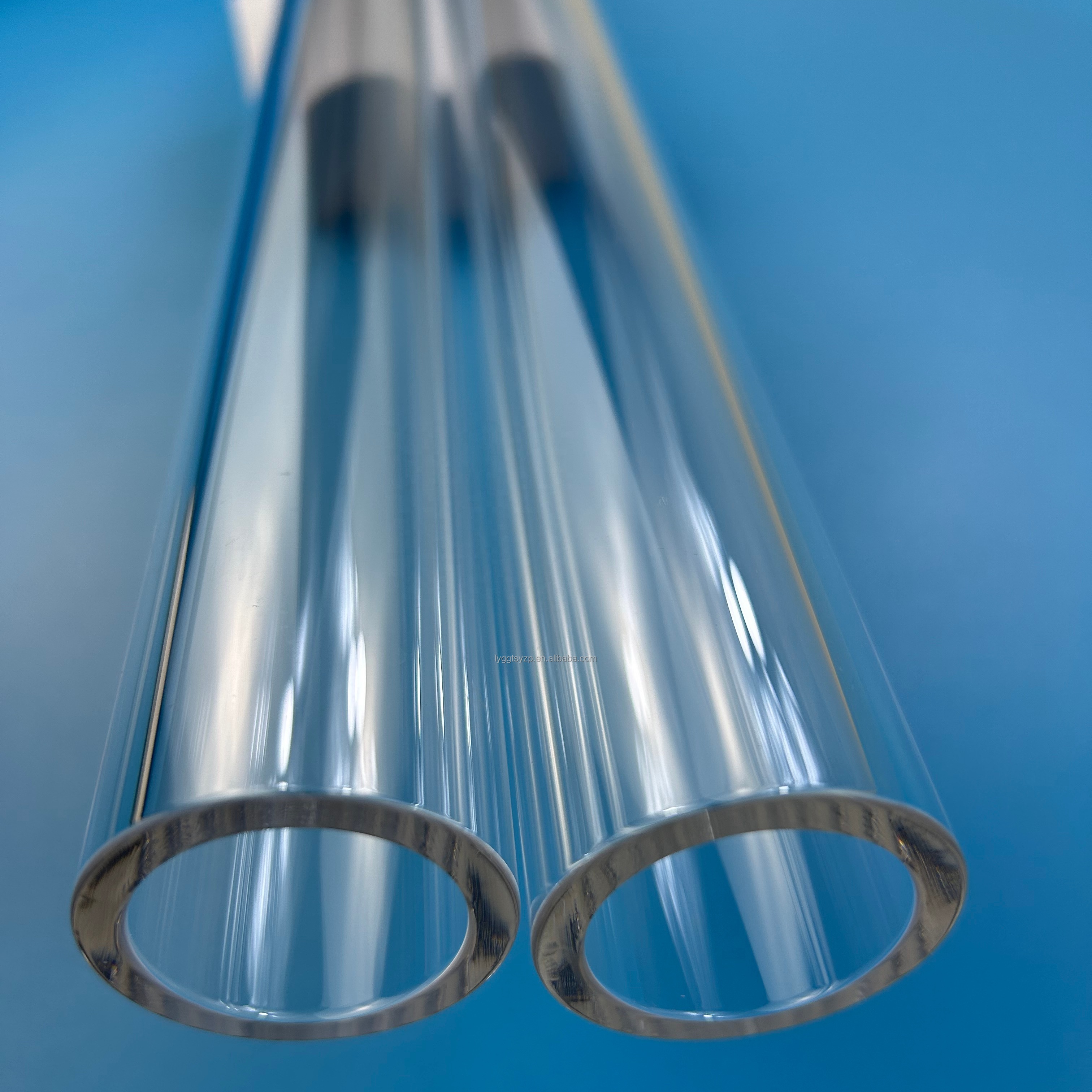
Polished Clear Quartz Twin Tube for Furnace Heaters
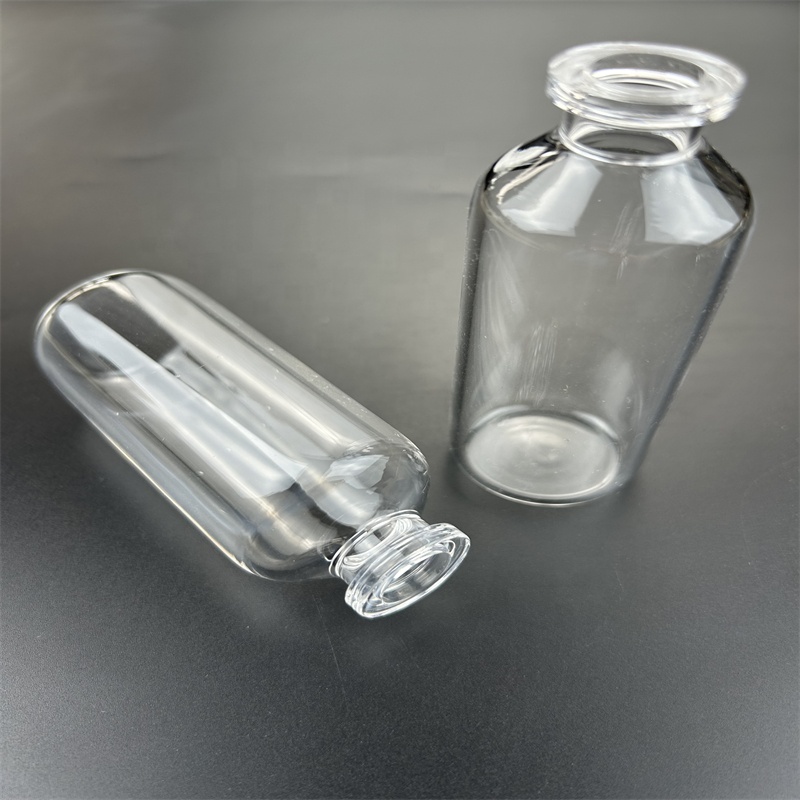
Custom High-Pressure Corrosion-Resistant Quartz Ampoules
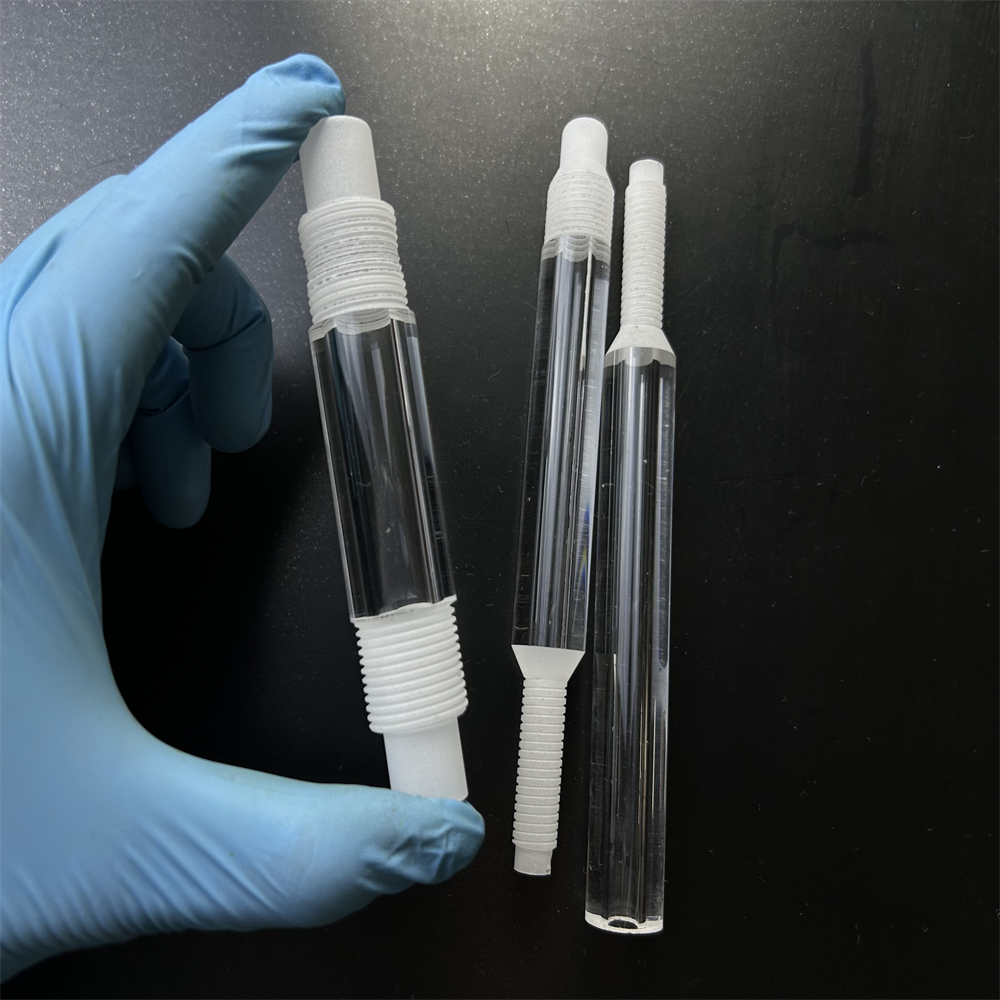
Customized High-Purity Threaded Transparent UV Quartz Tube
1. Executive Overview: Bitola's Thermal Transformation and Infrared Demand
Bitola, strategically positioned in the southern Pelagonia basin of North Macedonia, is historically and structurally the industrial energy nucleus of the nation. Anchored by the extensive REK Bitola mining and energy complex, the municipality and its contiguous commercial hubs—notably the Zabeni Industrial Zone—are undergoing a sophisticated technological transformation. As industrial operators pivot from legacy convective drying, fossil fuel combustion, and low-efficiency resistance heating toward high-efficiency electrification, short-wave and medium-wave infrared (IR) quartz emitter tubes have emerged as vital mission-critical components.
Precision radiative heating driven by fused quartz relies entirely on the optical and thermodynamic purity of the vitreous silica envelope. In heavy automotive sub-assembly production, plastics thermoforming, agro-industrial food dehydration, and regional metallurgy lines across Bitola, conventional metallic calrod heating elements induce substantial thermal latency, excessive energy consumption, and high operational downtime. High-purity clear fused quartz tubes ($\ge 99.99\%\text{ SiO}_2$), twin-bore emitters, and frosted infrared quartz shields transmit radiative energy across short (0.8–1.4 µm), fast-response medium (1.4–2.0 µm), and standard medium-wave (2.0–4.0 µm) spectral bands with minimal thermal envelope losses.
Engineering Principle: Fused silica delivers an extraordinarily low linear coefficient of thermal expansion ($5.5 \times 10^{-7}\text{ K}^{-1}$ between 20°C and 320°C). This gives the quartz emitter absolute immunity to catastrophic thermal shock: an infrared quartz tube operating at 1000°C can be immersed or sprayed with ambient cooling water without micro-fracturing or dimensional warping.
2. Technical Benchmark: Top 10 Infrared Quartz Tube Manufacturers & Exporters Serving Bitola
Industrial procurement engineers and equipment maintenance managers in Bitola require transparent supplier intelligence. This comparative benchmark analyzes the leading domestic and international manufacturers whose quartz emitters, twin tubes, and thermal quartz ware actively supply the Pelagonia industrial corridor, either through direct factory export or specialized engineering distributors.
| Evaluation Parameter | Zelvo Quartz (Export Division) | Tier-1 Western European Brands | Generic Commodity Importers |
|---|---|---|---|
| Raw Material Purity | ≥ 99.99% SiO₂ (Donghai Quartz Base) | ≥ 99.99% SiO₂ (Synthesized/Refined) | 98.5% – 99.5% (Variable Borosilicate Mix) |
| Max Continuous Temp | 1100°C (Short-term 1300°C) | 1100°C (Short-term 1300°C) | 850°C – 950°C (Early Devitrification) |
| Custom Geometric CNC Machining | Laser cutting, bending, grooving, welding | Standardized catalog geometry primarily | Cut-to-length only (No flame working) |
| Bitola Prototyping MOQ | 1 Piece (Engineered drawings supported) | 50 – 100 Pieces minimum or high setup fees | Fixed crate packs (No custom sizes) |
| Engineering Quote Response | ≤ 2 Hours (24/7 technical desk) | 3 – 5 Business Days via regional agents | Unpredictable / Non-technical |
| Transit to Bitola Corridor | Air express (5-8 days) / Sea to Thessaloniki | Road freight from Central Europe (7-14 days) | Stock distributor transit (Varying availability) |
3. Material Science: Fused Silica Physics in Infrared Radiative Systems
The superior performance of fused quartz over standard hard glasses (such as aluminosilicate or borosilicate 3.3) stems from its simple amorphous structure: pure silicon dioxide ($\text{SiO}_2$) formed without fluxing agents. In typical industrial glass, sodium, calcium, and boron network modifiers drop the softening point below 820°C and dramatically increase the thermal expansion coefficient. Fused silica retains tetrahedral three-dimensional polymeric bonding, providing an ultra-high annealing point (1215°C) and softening temperature (1683°C).
When electric heating coils (such as nickel-chromium 80/20, iron-chromium-aluminum Kanthal A-1, or carbon composite fibers) are energized inside a quartz envelope, electromagnetic radiation transfers through the transparent quartz tube wall. The spectral transmission curve of pure fused quartz is nearly 92% across 0.20 µm (deep UV) through 3.5 µm (infrared). Only minor hydroxyl absorption bands ($\text{OH}^-$ ions) occur near 2.72 µm in standard flame-melted quartz, which our Donghai vacuum-purified dehydroxylating furnaces reduce to below 5–15 ppm for specialized thermal drying applications.
Twin-Tube Geometry (23×11mm & 33×15mm)
Fabricated by welding two high-purity quartz envelopes in parallel. Provides superior structural rigidity across spans up to 6000 mm, preventing tube sag under intense gravitational load at 1000°C.
Directional Gold & Ceramic Reflectors
By applying a high-purity gold coating ($99.9\%\text{ Au}$) or white diffuse ceramic reflector ($\text{Al}_2\text{O}_3/\text{TiO}_2$) to the reverse face of the quartz tube, 90–95% of rearward infrared radiation is directed onto the target workload.
Rapid Filament Response Time
Unlike thermal conduction plates that demand 20 to 45 minutes of preheating, short-wave halogen quartz tubes achieve 100% operational thermal output in under 1.5 seconds, matching modern PLC-driven cycling lines.
4. Localized Application Scenarios Across Bitola's Industrial Ecosystem
The manufacturing fabric of Bitola and the Pelagonia Region has evolved well beyond coal extraction and traditional farming. Contemporary enterprises situated in the Zabeni Industrial Park, along the Bitola–Prilep transit corridor, and within the municipal craft-industrial estates deploy infrared quartz tubes across five specialized industrial settings:
Automotive Components & Cable Curing
Bitola's expanding automotive tier-supplier cluster demands rapid cross-linking and paint curing for wire harnesses, composite door trims, and engine insulation. Twin-tube medium-wave quartz emitters match the exact absorption spectrum of hydrocarbon polymers, curing protective coatings without heating substrate metals.
REK Bitola Utility & High-Temp Pyrometry
Within the thermal generation infrastructure of REK Bitola, clear fused quartz tubes, high-pressure sight glasses, and thermocouple protection sleeves withstand persistent sulfur dioxide gas corrosion, flue particulate abrasion, and continuous thermal cycling up to 1100°C without mechanical crystallization.
Agro-Food Processing & Tobacco Dehydration
Pelagonia is North Macedonia's agricultural heartland. Industrial dehydration of oriental tobacco leaves, apples, herbs, and cereal grains requires sterile, clean electrical heating. Non-contact infrared quartz heaters evaporate moisture without scorching delicate bio-compounds or leaving combustion residues.
Plastics Thermoforming & PET Stretch Blow Molding
Packaging and container plants operating in southern Macedonia utilize zoned infrared quartz matrices to soften acrylic, polystyrene, and PET preforms. Precision-cut quartz plates and twin tubes deliver uniform heat gradients, eliminating localized wall thinning and thermal haze.
Foundry Annealing & Precision Tooling
Local metallurgy workshops, extrusion die makers, and metal fabricators use heavy-duty quartz heating tubes for preheating billet stock and controlled stress-relief annealing. The high-purity quartz barrier isolates electrical filaments from reactive metallic scale and atmospheric contamination.
Academic & Environmental Research (UKLO)
Laboratories at St. Clement of Ohrid University of Bitola (UKLO) rely on custom quartz apparatus—including BET sample tubes, photocatalytic reactor vessels, and optical quartz plates—for geochemical analysis, environmental air-quality monitoring, and chemical catalyst evaluation.
5. Macro Trends: Decarbonization and Electrification in Bitola's Thermal Sector
As North Macedonia progresses with its National Energy and Climate Plan (NECP) in harmony with the European Energy Community decarbonization roadmap, Bitola faces significant pressure to replace fossil-fuel energy generation with low-carbon alternatives. This macro transition is fueling three critical industrial trends across the Pelagonia basin:
- Retrofitting Hot-Air Convection Ovens with Radiative IR Banks: Industrial factories in Bitola are actively dismantling legacy gas and oil-fired convection tunnels. Installing direct radiant quartz infrared arrays slashes electrical consumption by 35% to 50% because radiant energy transfers directly into the target material without the parasitic thermal mass loss associated with heating surrounding air.
- Adoption of Carbon Fast Medium-Wave (CIR) Emitters: Unlike traditional metallic resistance wire, carbon composite fibers housed within quartz twin tubes emit energy predominantly in the 2.0 to 2.5 µm band. This matches the molecular resonance frequencies of water and industrial solvent bonds, speeding up drying cycles in food processing, packaging printing, and textile dye fixation.
- Digital Automation and Closed-Loop Pyrometer Control: Driven by smart manufacturing upgrades, industrial plants in Bitola are pairing quartz emitters with precision optical pyrometers and thyristor power controllers. The sub-second response times of quartz emitters allow microsecond power modulation, preventing material thermal overshoot on automated lines.
6. Manufacturing Authority: Why Industrial Buyers Partner with Zelvo Quartz
Lianyungang Zelvo Quartz Products Co., Ltd. is located in Donghai County, Jiangsu Province—globally celebrated as China’s "Crystal Capital" and the world’s leading hub for quartz raw material reserves and glass processing. We merge our regional raw-material advantage with advanced CNC precision fabrication, providing industrial clients across Bitola with unparalleled supply reliability, technical depth, and commercial agility.
Certified 99.99% SiO₂ Purity
Every tube, plate, and custom heater envelope is produced from pure natural crystal sands, yielding an optical bubble-free vitreous quartz envelope with absolute chemical inertness and extreme temperature endurance.
Comprehensive Cold & Hot Processing
From micro-laser cutting and ultra-smooth CNC edge grooving to specialized hydrogen-oxygen lathe glassblowing, manual twin-tube fusing, and precision optical flame polishing, we fabricate complex custom assemblies directly to your CAD drawings.
1-Piece Prototyping MOQ
We eliminate high minimum order volume restrictions for experimental setups, plant maintenance replacements, and R&D engineering trials. Prototyping begins at just 1 piece, backed by free drawing reviews and engineering feasibility feedback.
≤2-Hour Rapid Response Desk
Our export engineering group operates a continuous technical response desk. Engineering inquiries, dimensional tolerance reviews, and comprehensive commercial CIF/DDP quotes to Bitola are delivered within 2 hours on business days.
Export Safety & Logistics Guarantee to North Macedonia: Quartz glass requires specialized, shock-absorbent packaging. Zelvo Quartz uses custom multi-layer high-density closed-cell polyethylene foam, vacuum air bags, and reinforced fumigated export plywood crates. We guarantee 0% transport breakage across air express shipments to Skopje Airport (SKP) or containerized maritime freight arriving via the Port of Thessaloniki, Greece (just 160 km south of Bitola via the Medzitlija-Niki border crossing).
7. Local Procurement FAQ: Purchasing Quartz Tubes in Bitola
Direct answers to technical, commercial, and logistical questions frequently raised by mechanical engineers, plant maintenance heads, and procurement directors in North Macedonia:
What is the standard delivery timeline for custom quartz tubes shipped from China to Bitola?
How do we manage North Macedonian customs clearance and import duties for industrial quartz glass?
Can Zelvo Quartz reproduce replacement infrared lamps for legacy European or Asian machinery?
What is the durability and lifespan of the gold reflective coating when operated continuously?
What dimensional tolerances can be maintained on custom-drilled or threaded quartz components?
Does fused quartz glass corrode when exposed to harsh industrial washdowns or chemical vapors?
Need Custom Infrared Quartz Tubes Delivered to Bitola?
Send us your engineering drawings, equipment specifications, or sample dimensions today. Our senior technical team reviews manufacturing feasibility and provides a full factory-direct quote within 2 hours.
Contact Us