Certified Precision Quartz Apparatus & Custom Fabrications
Direct factory production from Donghai County, China's quartz capital. Every unit undergoes strict dimensional verification, stress birefringence examination, and helium leak testing to guarantee zero failure under high vacuum and continuous 1100°C thermal stress.
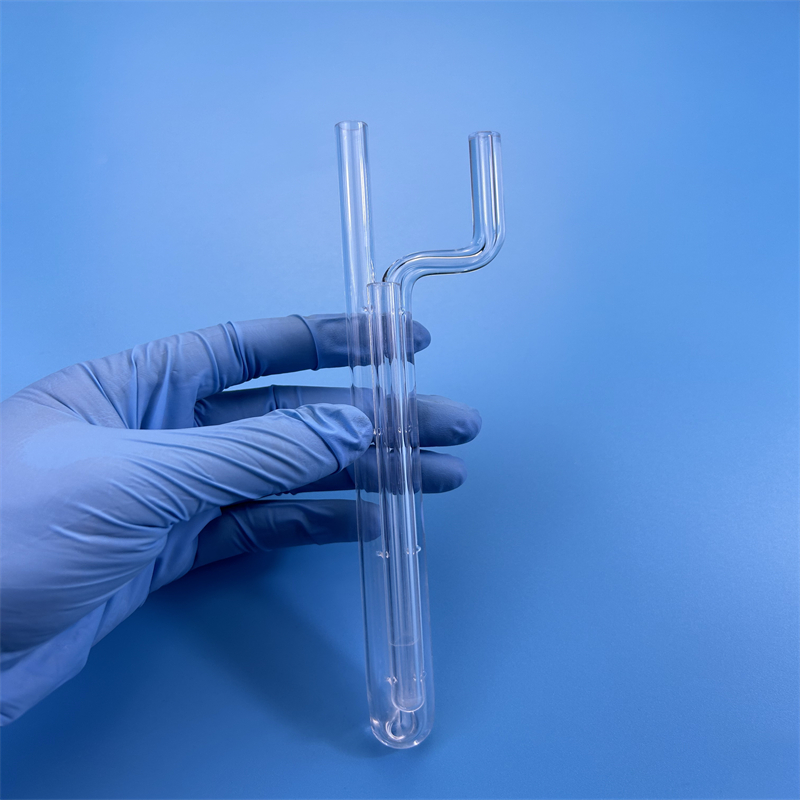
Chemisorption BET Test High Pressure 99.99% Pure Ozone Free Clear Quartz Glass Twin Tube Bending Welding Services Quantachrome
Specialized twin-bore geometry for surface area and porosity chemisorption analysis, withstanding extreme thermal transients from cryogenic liquid nitrogen to 1100°C furnace ramp.
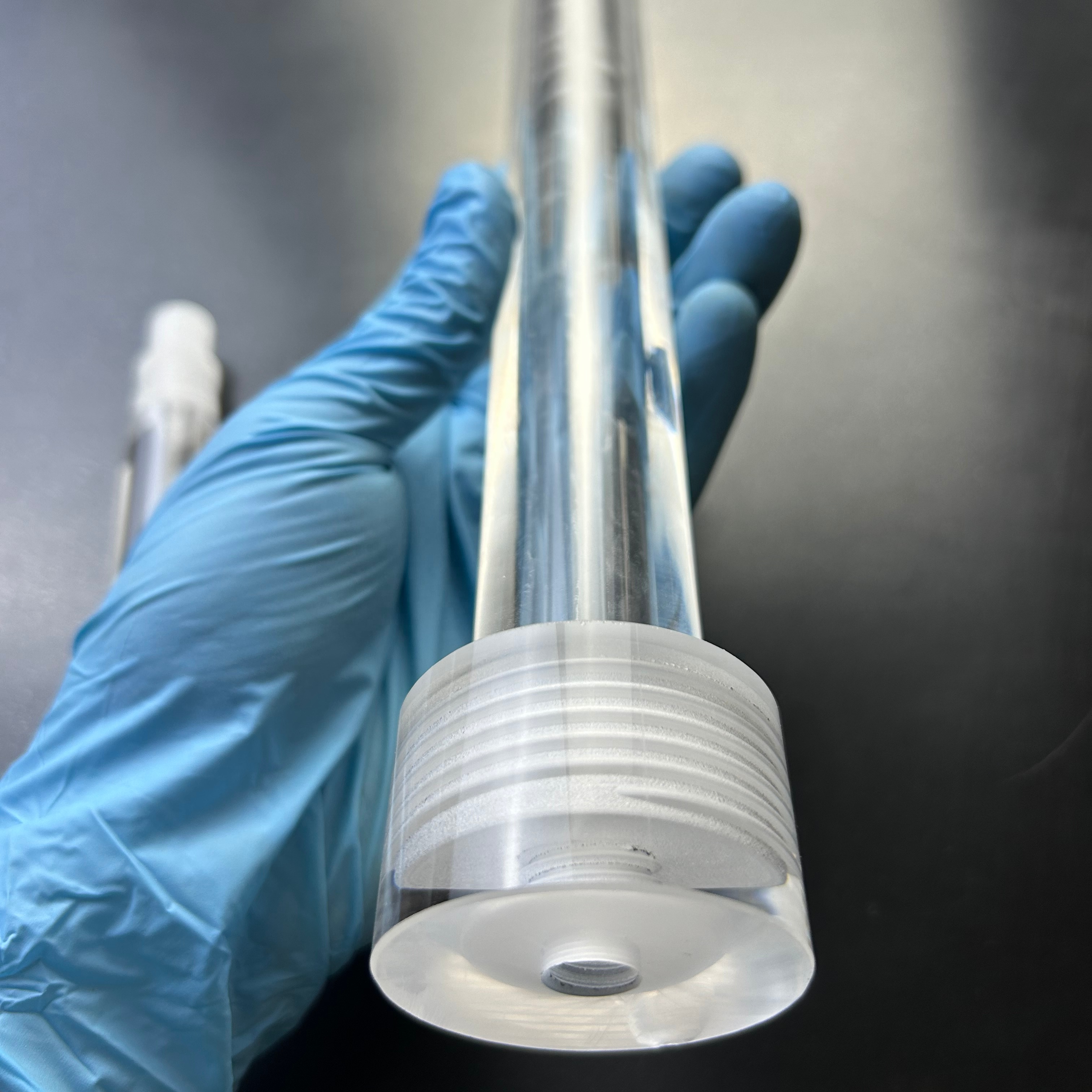
Customizable High Pressure High Quality Polished Clear Transparent 99.99% Pure Quartz Glass Twin Tube Bending/Welding/Cutting
Engineered for internal heating filaments, sensing probes, and multi-channel gas phase reactions requiring heavy wall thickness and high bursting strength under vacuum.
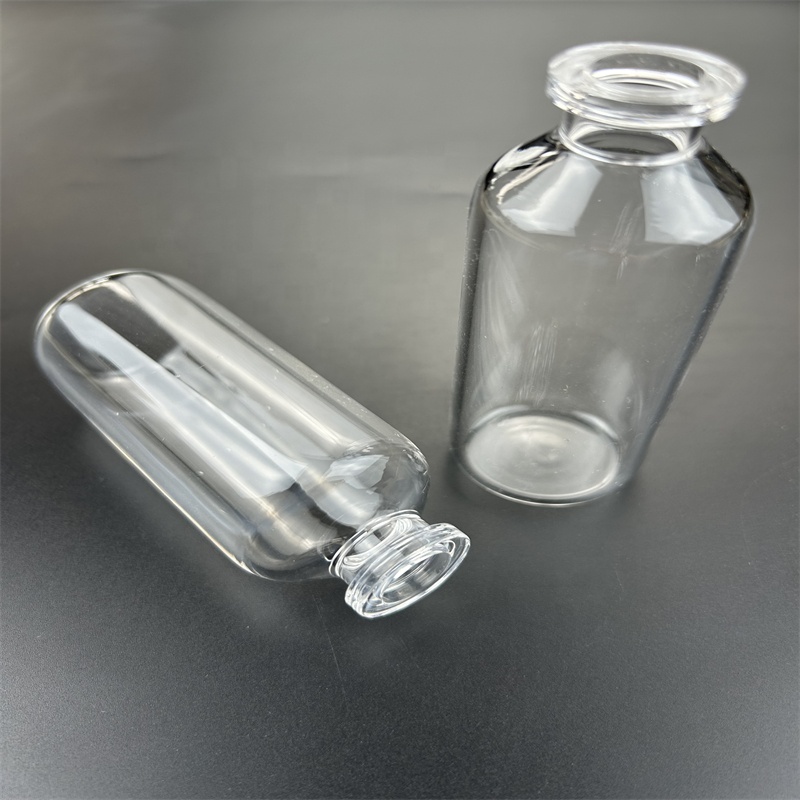
Custom High Pressure Corrosion Resistant Transparent 99.99% Pure Ozone Free Quartz Glass Ampoules Bending Welding Medical Grade
Biomedical and pharmaceutical grade containment ampoules offering zero ion-leaching, pristine chemical inertness against harsh reagents, and hermetic flame-sealing stability.
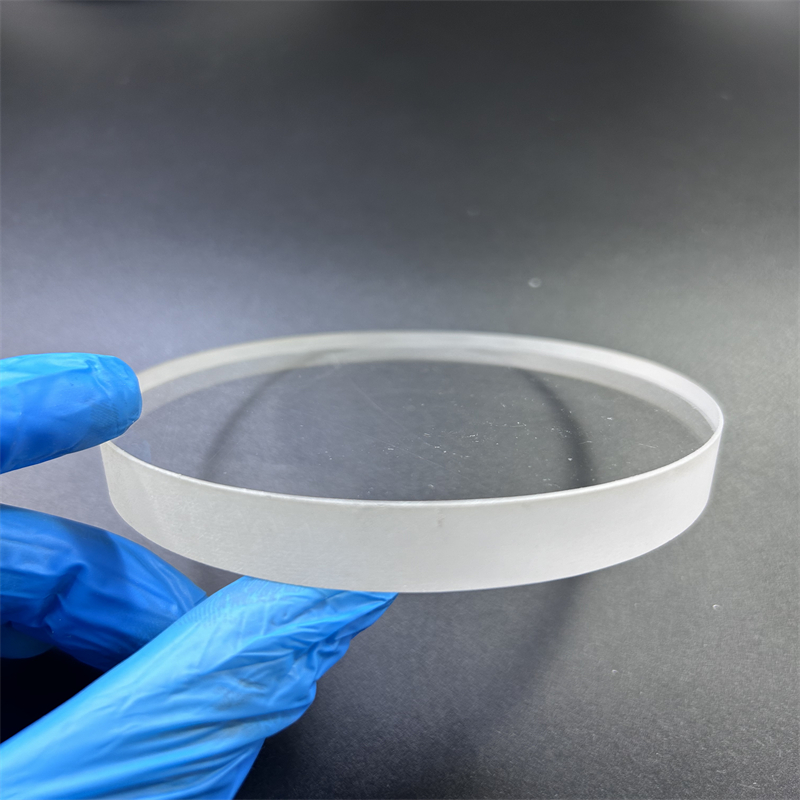
China Supplier High Temperature Transparent UV Quartz Glass Plate Polished Fused Quartz Disc Welding Cutting Optics 1100C Work
Ultra-flat fused silica discs offering >90% spectral transmission down to 220nm. Ideal for laser windows, XRD sample holders, viewport observation, and optical lithography substrates.
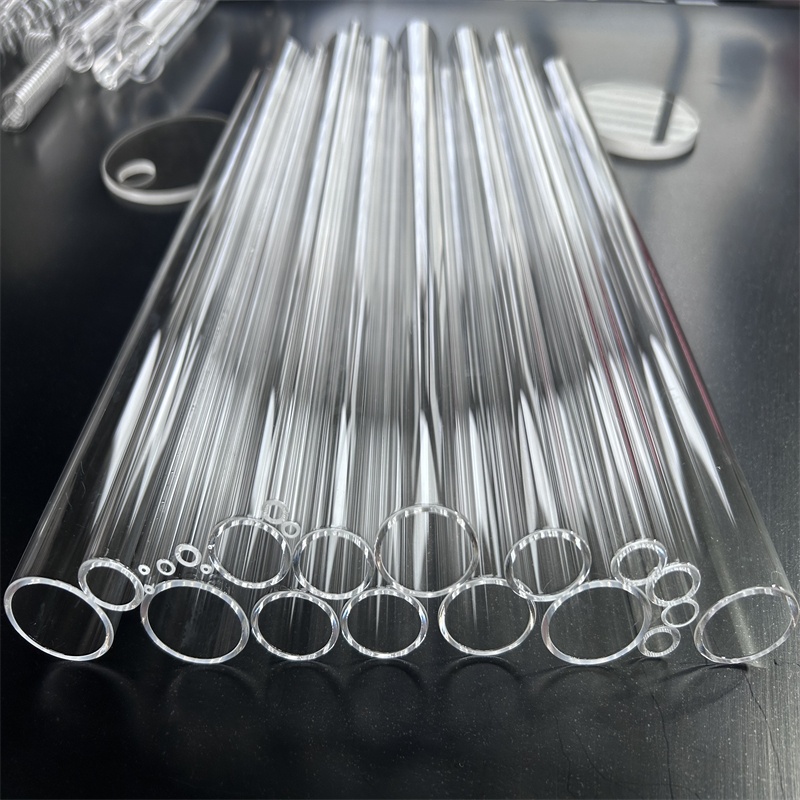
High Temperature Heat Resistant Clear 99.99% Pure Fused Quartz Twin Tube with Ozone Free Welding & Bending Services Custom Sizes
Optimized for infrared radiant heaters, continuous conveyor furnaces, and twin-channel CVD reaction tubes where resistance to thermal warpage is critical.
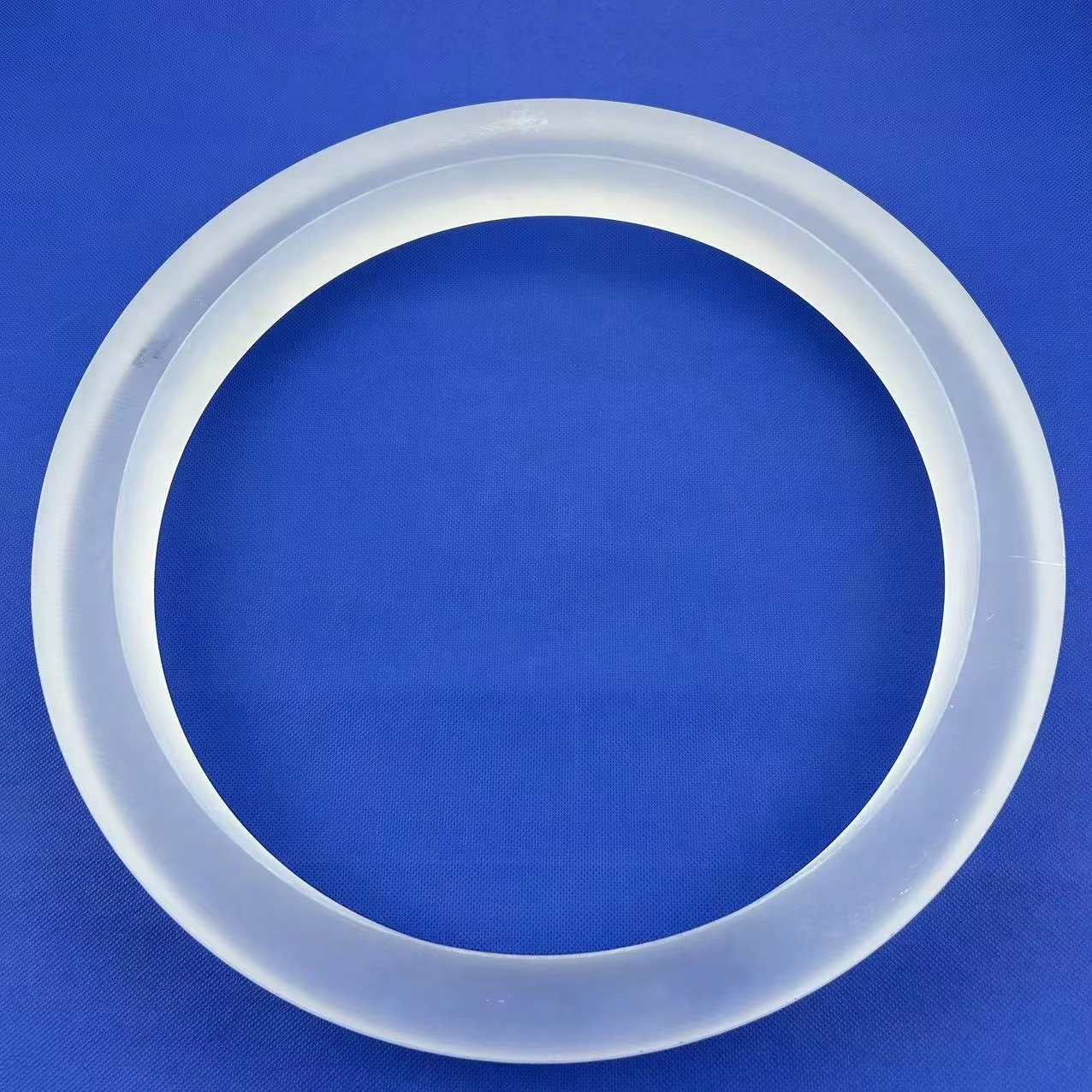
Custom Coated 99.99% Pure Quartz Rings for Semiconductor CVD Optics Applications High Pressure Moulding/Bending/Welding/Cutting
Flange clamp rings and wafer carrier collars machined for semiconductor plasma etching and CVD deposition chambers requiring strict particulate-free surface integrity.
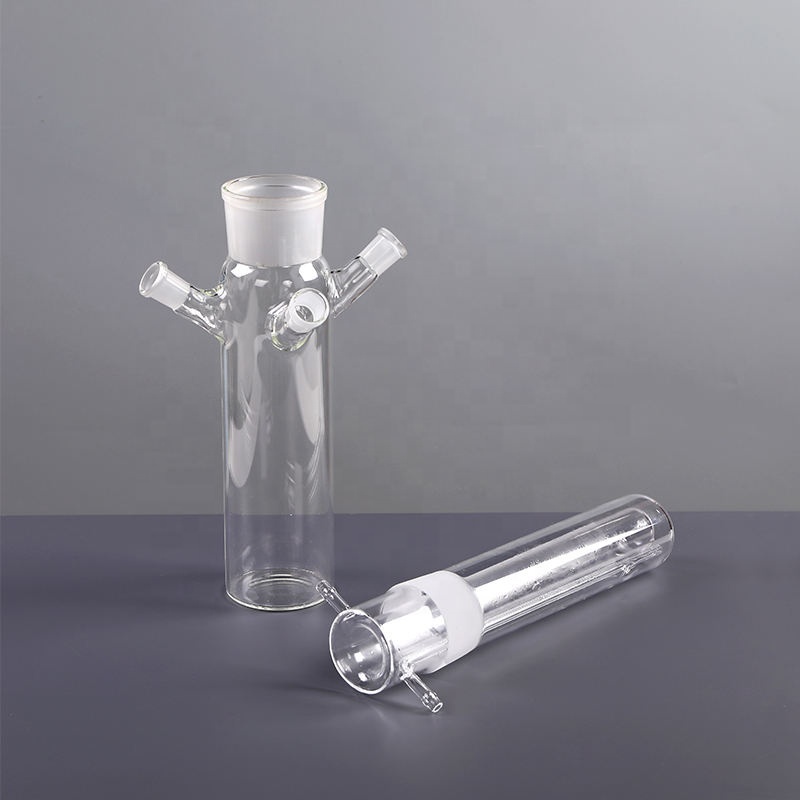
Customized High-purity Quartz Glass Reactor Container Bending Moulding Photocatalytic Degradation Internal Illumination Welding
Turnkey double-walled reaction cell with internal immersion well, specialized for photochemical organic pollutant degradation, artificial photosynthesis, and UV catalysis trials.
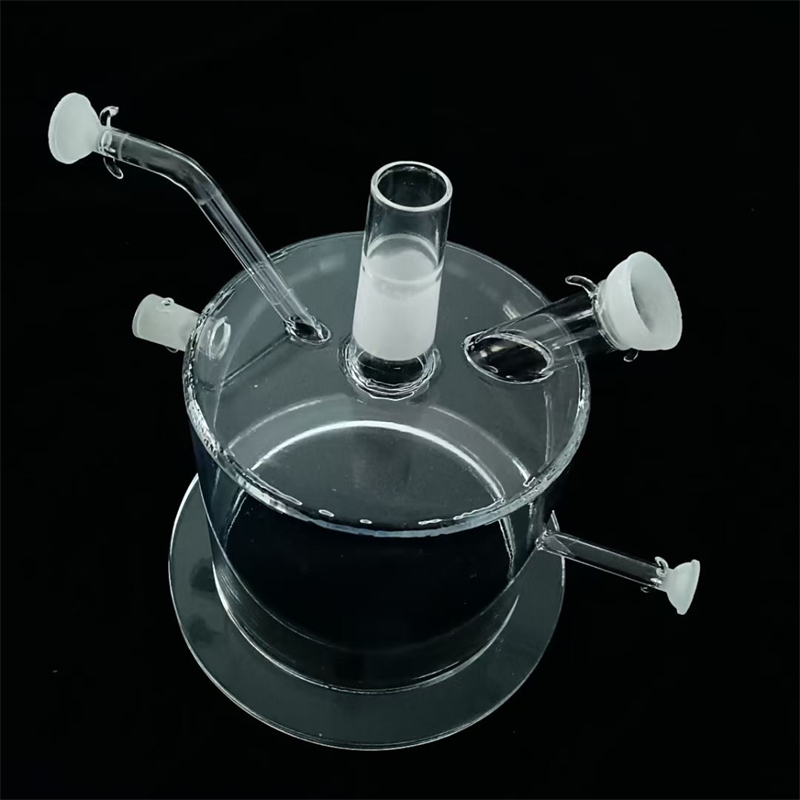
Customized High Pressure Clear Quartz Glass Tube Bending/Welding/Cutting 99.99% Pure Quartz Ozone Free Polished Surface
Heavy-duty cylindrical quartz tube with precision ground ends or blown ball-and-socket joints, manufactured to accommodate supercritical fluids, fluid dynamics, and furnace vessels.
CE Certification, Material Dynamics & Structural Integrity in Quartz Apparatus
Industrial quartz glass occupies an irreplaceable niche in modern high-temperature chemical engineering, semiconductor fabrication, and analytical research. Unlike standard borosilicate (Pyrex) or aluminosilicate glasses, vitreous silica consists almost exclusively of amorphous silicon dioxide (SiO₂ > 99.99%). This near-zero presence of network-modifying alkali ions awards quartz glass extraordinary thermal shock endurance, near-zero thermal expansion (5.5 × 10⁻⁷ /K), and unmatched spectral transmission across the deep-ultraviolet (DUV), visible, and near-infrared spectra.
Hydroxyl (OH⁻) Ion Concentration vs. High-Temperature Devitrification
A primary failure mode in high-temperature quartz apparatus is devitrification—the spontaneous phase transformation from metastable amorphous silica into crystalline cristobalite above 1150°C. Our manufacturing methodology incorporates continuous thermal annealing at 1215°C and rigorous atmospheric degassing. By strictly controlling the hydroxyl (OH⁻) group concentration below 20 ppm in our furnace-grade tubes (and below 5 ppm in semiconductor-grade components), we inhibit the molecular mobility of the silica network. This minimizes cristobalite crystal nucleation, preventing micro-fracture propagation, opaque clouding, and premature wall failure under prolonged thermal holding.
Trace Impurity Thresholds & Cleanroom Glassblowing
Even minor parts-per-million (ppm) contaminants of transition metals (Fe, Cu, Ni, Cr) will induce catalytic devitrification, thermal hotspots, and significant attenuation of UV transmissivity. At Lianyungang Zelvo Quartz Products Co., Ltd., raw materials sourced from the Donghai mineral belt undergo multi-stage chemical acid washing and magnetic separation, ensuring that cumulative alkali and transition metal contents remain strictly below 20 ppm. During glassblowing, hydrogen-oxygen flames are maintained in cleanroom extraction bays to avert atmospheric particulate embedding into the softened quartz matrix.
| Physical & Chemical Property | Standard Reference Value |
|---|---|
| Chemical Purity (SiO₂ Mass Fraction) | ≥ 99.99% (Optical/Semiconductor Grade) |
| Bulk Density (20°C) | 2.20 g/cm³ |
| Mohs Hardness / Vickers Indentation | 5.5 – 6.5 Mohs / 8.8 GPa |
| Coefficient of Thermal Expansion (CTE, 20–320°C) | 5.5 × 10⁻⁷ K⁻¹ (Near-Zero Dilatation) |
| Continuous Max Operating Temperature | 1100 °C (1373 K) |
| Short-Term Peak Thermal Threshold | 1300 °C (1573 K) |
| Strain Point / Annealing Point | 1120 °C / 1215 °C |
| Softening Point (Viscosity = 10⁷.⁶ dPa·s) | 1683 °C |
| Thermal Shock Quench Resistance (ΔT) | 1000 °C directly into 20 °C H₂O (No Cracking) |
| Hydroxyl (OH⁻) Radical Content | < 5 ppm to 15 ppm (Grade Dependent) |
| Dielectric Constant (1 MHz, 20°C) | 3.75 (Superior High-Frequency Isolation) |
| Optical Transmittance (220nm – 2500nm) | ≥ 90% (Deep UV Clear Window) |
Verified Quality Inspection Protocol
Every batch shipped from our Donghai facility is matched against certified technical drawings with laser-interferometric thickness scanning, automated polariscopic optical path retardation checks (<10 nm/cm), and helium mass spectrometer leak detection down to 1×10⁻⁹ mbar·l/s.
Inquire NowGlobal Quartz Glass Apparatus Sourcing Trends (2025–2030)
How semiconductor scale-up, renewable hydrogen reactors, automated flow-chemistry, and geopolitical supply chain realignments are reshaping international procurement strategies for technical glass buyers.
1. Compound Semiconductor Expansion (SiC / GaN Epitaxy)
The rapid migration to Silicon Carbide (SiC) and Gallium Nitride (GaN) power electronics requires quartz diffusion boats, bell jars, and process tubes capable of sustained 1200°C–1300°C operation in corrosive chloride atmospheres. Procurement is pivoting from generic fused tubes to custom plasma-sprayed and chemical-vapor-purified quartz profiles.
2. Single-Piece Custom Prototyping (1-Piece MOQ)
R&D centers, start-up hydrogen electrolyzer developers, and university laboratories increasingly bypass legacy manufacturers requiring 50+ batch orders. Agile suppliers offering 1-piece custom fabrication via 2D/3D CAD models within 5–7 working days are capturing significant market share from rigid domestic distributors.
3. Stringent European Traceability & CE/PED Audits
European and North American procurement teams are enforcing rigid compliance verification for custom pressurized glassware under PED 2014/68/EU. Suppliers must supply documented hydrostatic burst test logs, raw sand origin certifications, and non-destructive optical polarization stress scans alongside commercial packing manifests.
4. Total Cost of Ownership (TCO) Lifecycle Modeling
Buyers are shifting from evaluating simple unit FOB purchase cost to lifetime performance. High-purity quartz with lower hydroxyl content delivers up to 3× longer service intervals in CVD tube furnaces before devitrification or sagging occurs, yielding an overall 40% reduction in long-term consumable maintenance expenditure.
State-of-the-Art Processing Dynamics in Quartz Glass Manufacturing
Technological divergence from empirical manual glassblowing toward hybrid multi-axis CNC laser micromachining, cold ultrasonic milling, and specialized flame fusion.
Picosecond Laser Drilling & Micro-Channel Grooving
Mechanical diamond drill core bits unavoidably induce micro-fissures and subsurface cracks around orifice perimeters, drastically reducing mechanical burst pressure. The integration of 532nm picosecond laser ablation enables sub-micron precision drilling (holes from Ø 0.1mm) with zero thermal edge stress and edge chipping under 10 μm, catering to microfluidic chips and specialized gas nozzles.
Automated Lathe Synchronization & Flange Welding
Conventional manual glassblowing introduces wall thickness discrepancies along joined seam margins. Modern computerized horizontal glass lathes equipped with pyrometric infrared feedback loops monitor weld seam temperatures in real time. This guarantees completely uniform wall transition, zero residual hoop stress, and flat vacuum flange face mating without vacuum leakage.
Multi-Layer Functional Coatings on Vitreous Silica
Emerging applications in solar simulation and photocatalytic reactors require selective spectral isolation. Proprietary electron-beam and CVD thin-film depositions apply high-adhesion dielectric films onto quartz substrates. These provide anti-reflective (AR) properties (>98.5% UV transmittance) or dichroic filtering, reflecting infrared heat while transmitting shortwave actinic radiation.
Lianyungang Zelvo Quartz Products Co., Ltd.
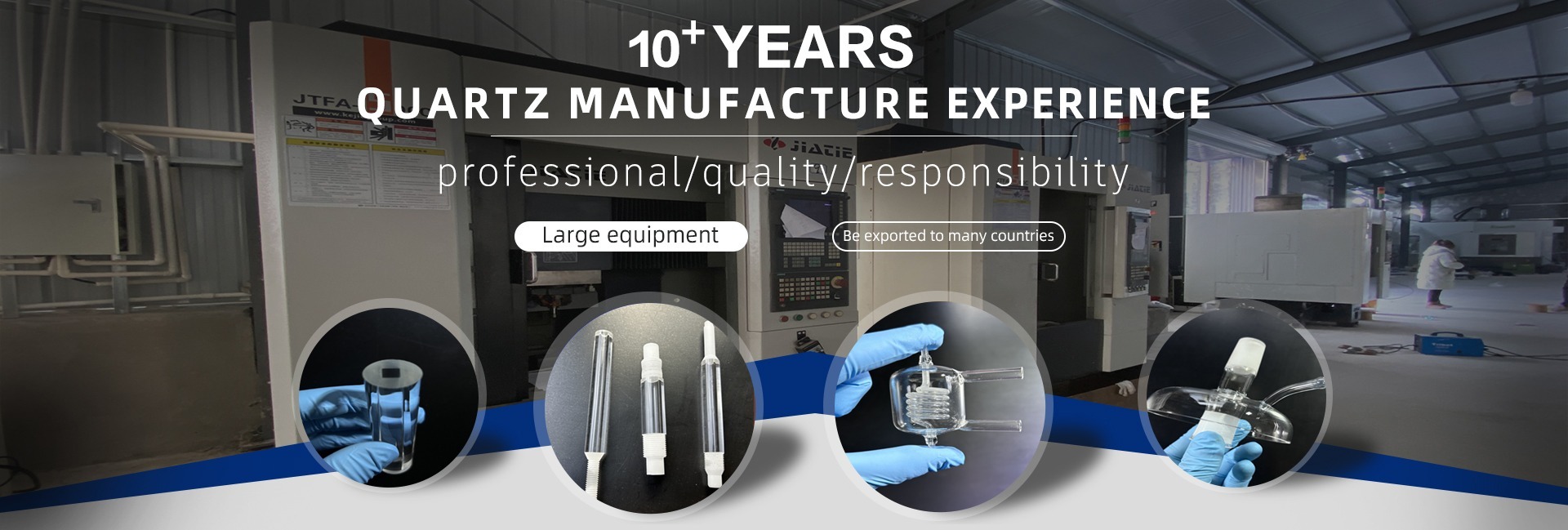
Headquartered in Donghai County, Jiangsu Province—globally acknowledged as China's pristine "Crystal Capital"—Zelvo Quartz bridges mineral resource abundance with high-precision fabrication expertise. We are a direct manufacturer and international exporter specialized in fused quartz apparatus, optical windows, semiconductor boats, bell jars, and bespoke laboratory assemblies.
- 10+ Years Seasoned Engineering: Senior quartz craftsmen and lathe operators guiding CAD feasibility, wall thickness calculations, and thermal expansion matching.
- Agile 1-Piece Prototyping MOQ: Rapid turnaround on experimental blueprints, BET custom tubes, and CVD prototypes without inflated minimum quantity lock-ins.
- ≤ 2-Hour Rapid Quotation Protocol: Dedicated multilingual technical team responding directly with CAD tolerance evaluations and formal quotes.
- Global Shock-Resistant Logistics: Custom form-fitted high-density EPE foam cradles and seaworthy export plywood crates, ensuring zero transit breakage across 5 major global trade corridors.
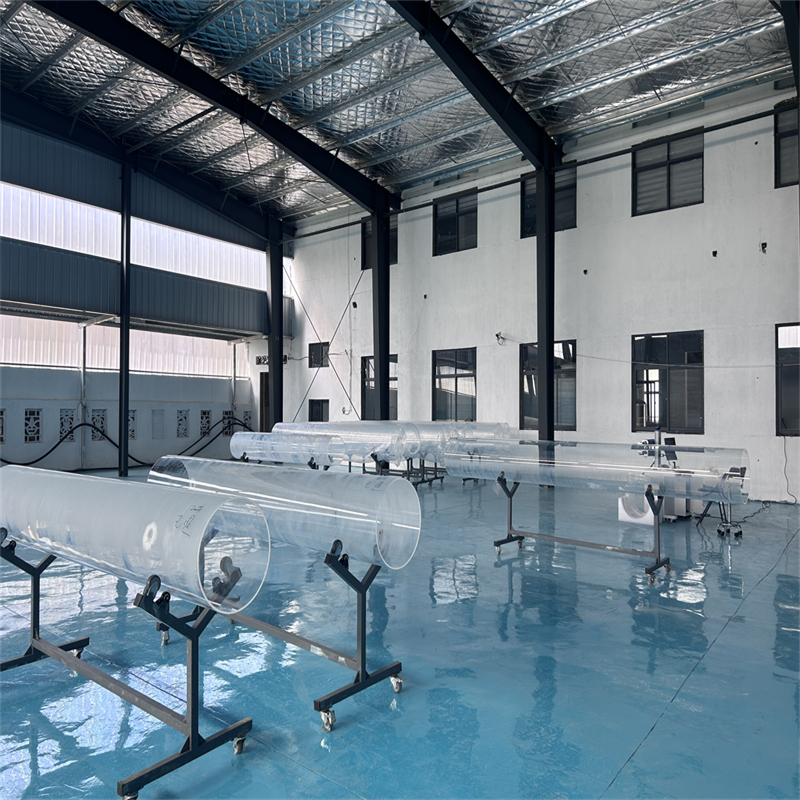 Production Cleanroom
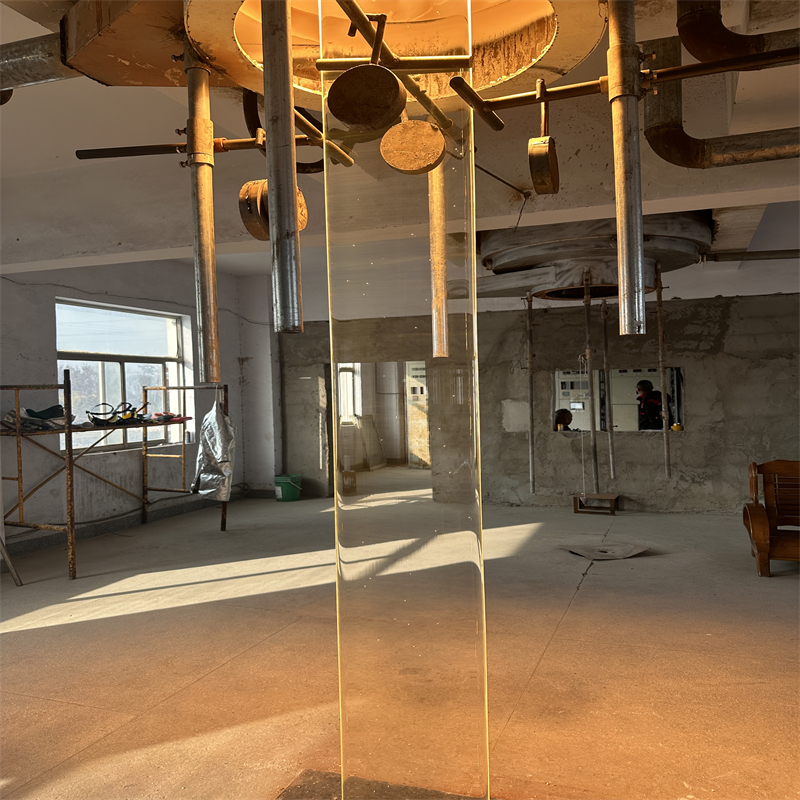 Precision Lathe Welding
 Optical & Dimensional QA
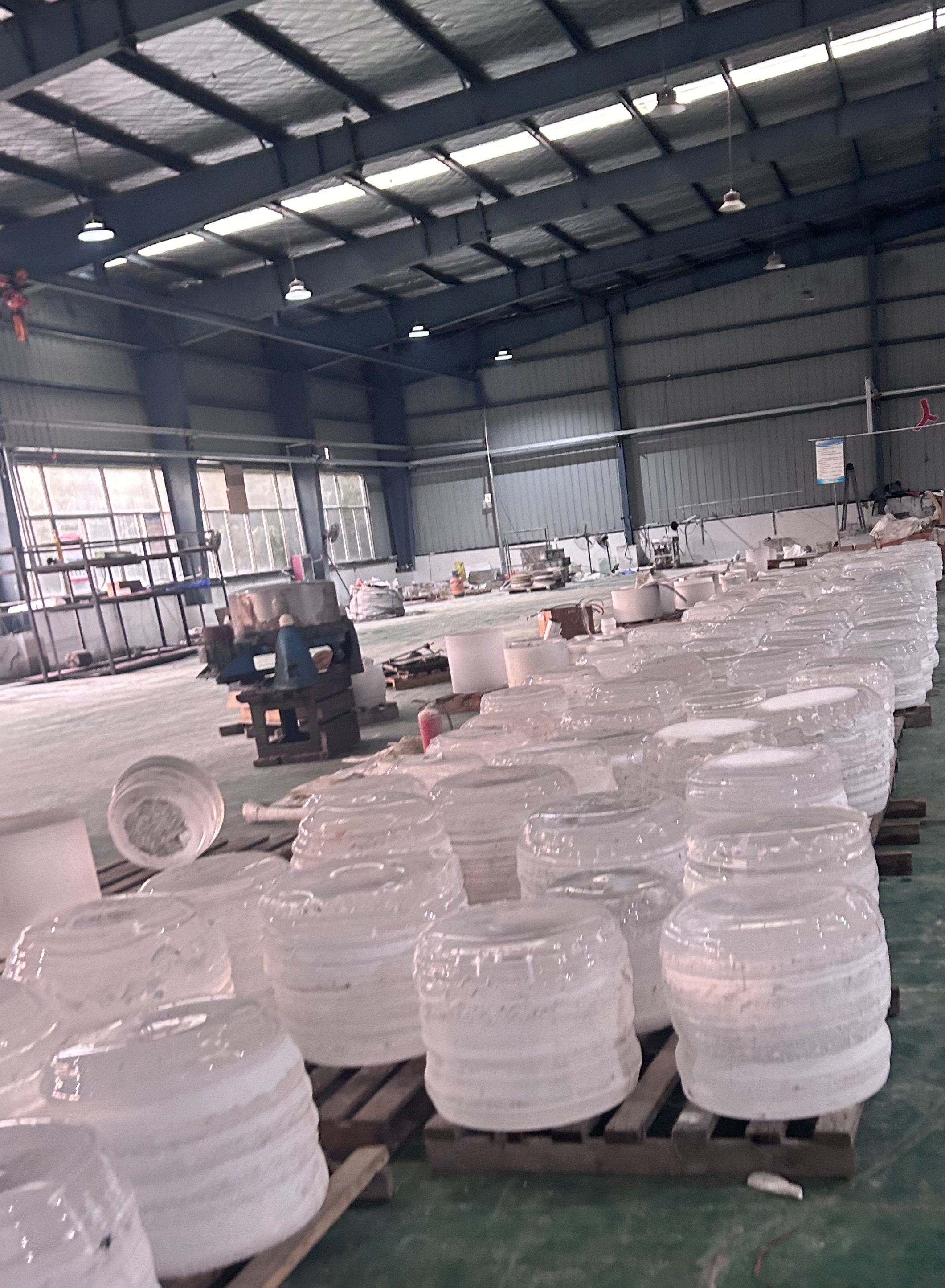
 Stock Raw Tubes & Ingots
Critical Engineering & Procurement FAQ
Direct answers addressing material specification, thermal thresholds, compliance paperwork, and export freight policies.