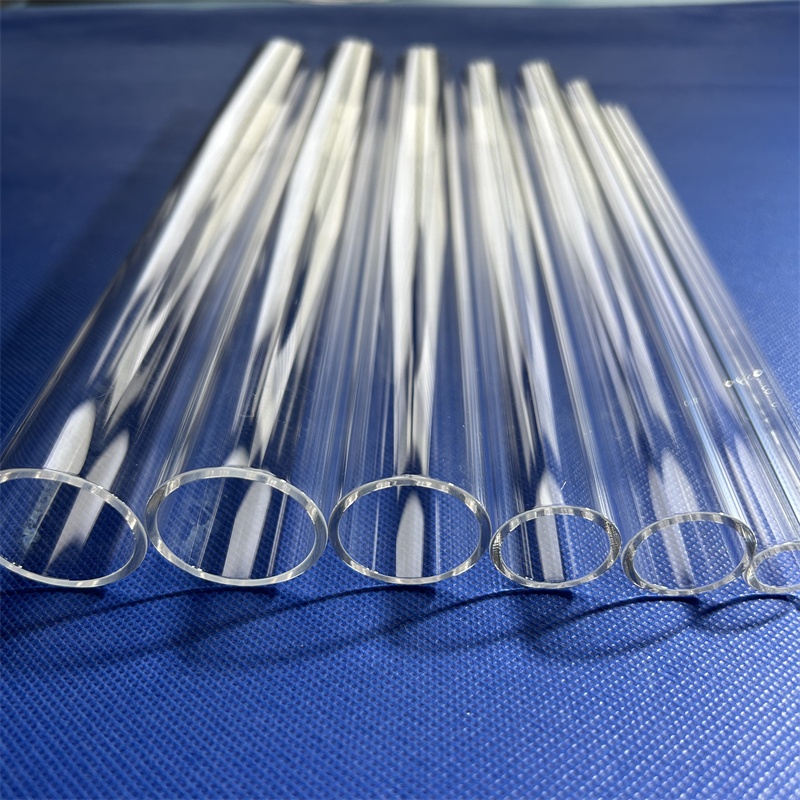
Featured Precision Quartz Components & Ingot Fabrications
Explore our core catalog of high-purity (99.99% - 99.999% SiO₂) fused quartz tubes, reactors, rings, and custom engineered silica components.
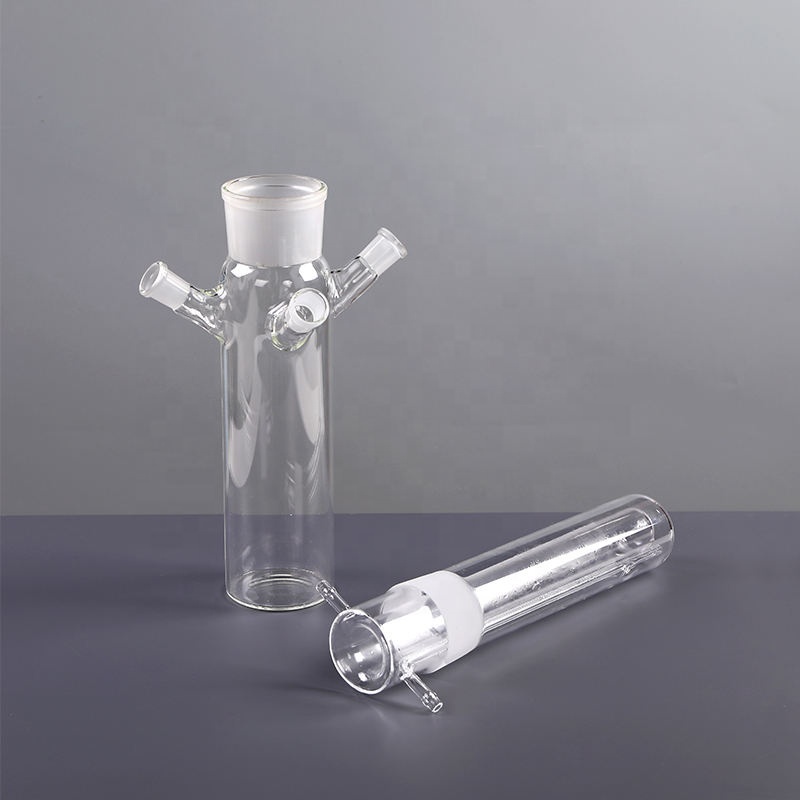
Customized High-purity Quartz Glass Reactor Container
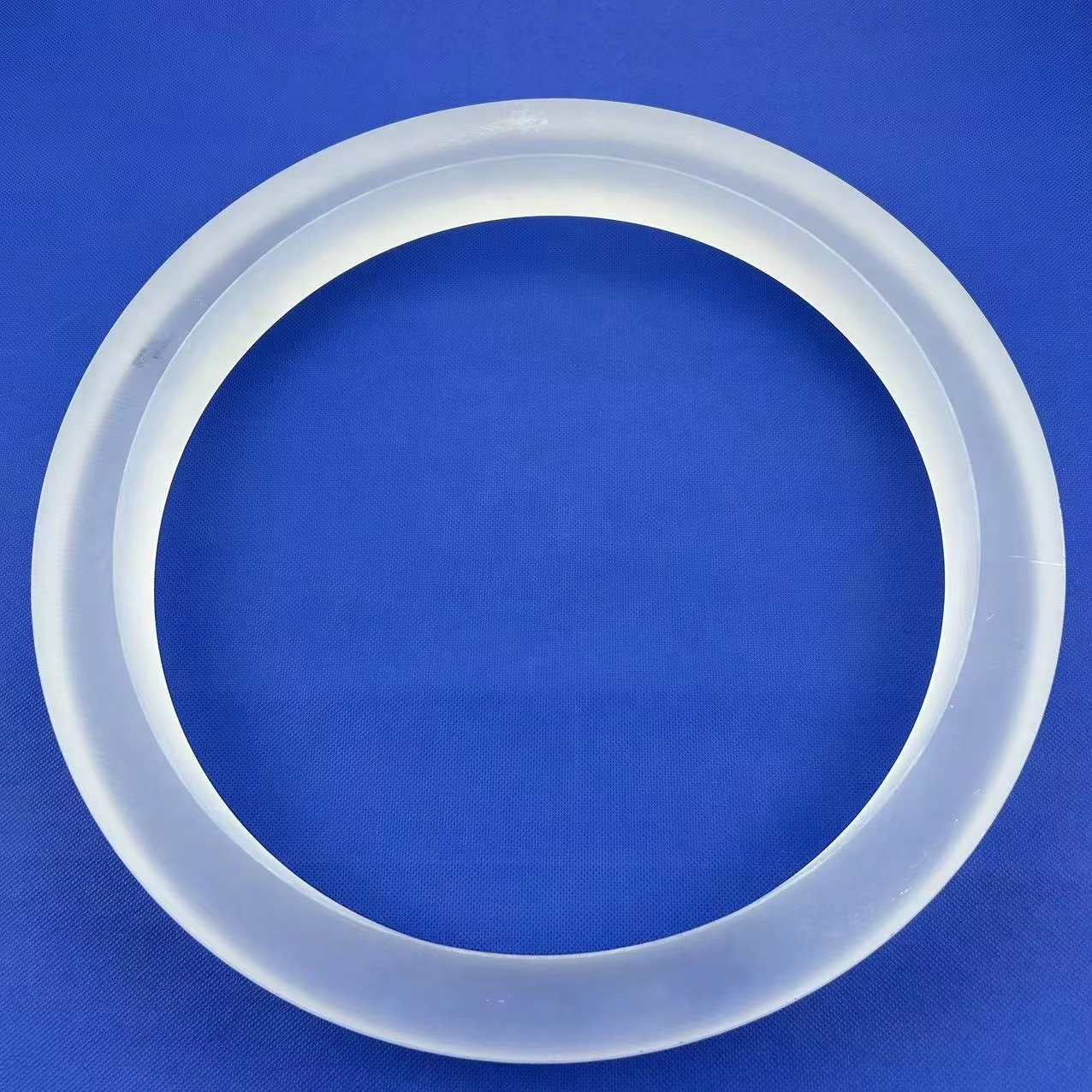
Custom Coated 99.99% Pure Quartz Rings for Semiconductor CVD
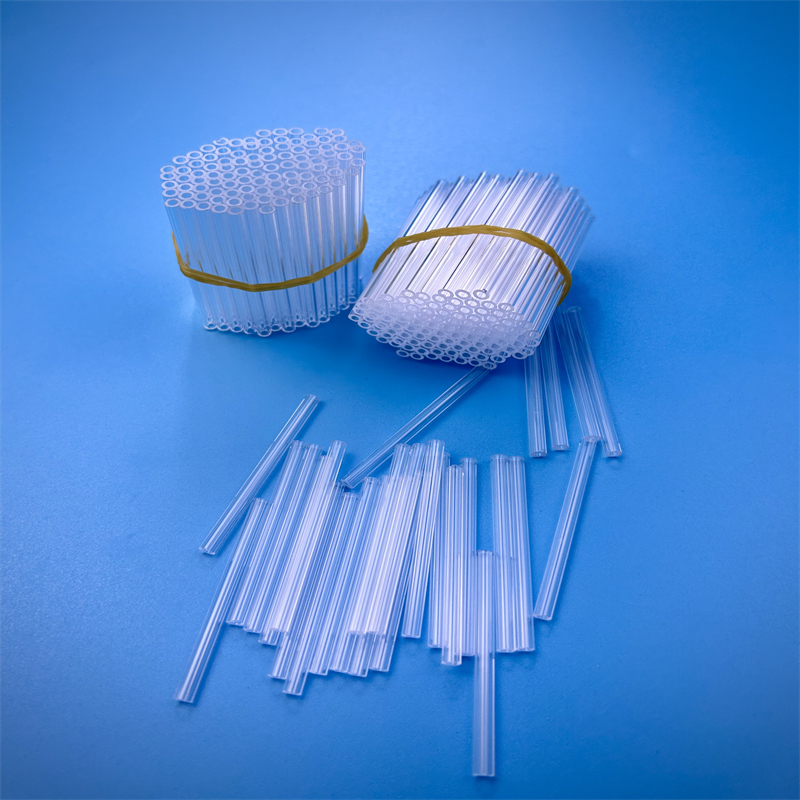
High Quality Transparent U-Bent Quartz Glass Tube Services
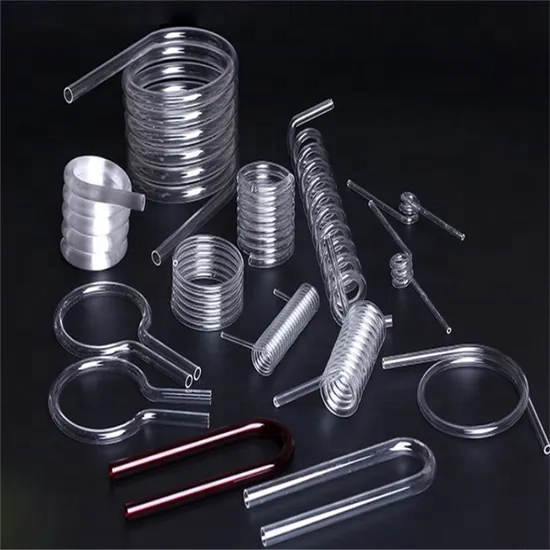
Custom Different Sizes U-Bent Quartz Glass Spiral Tube
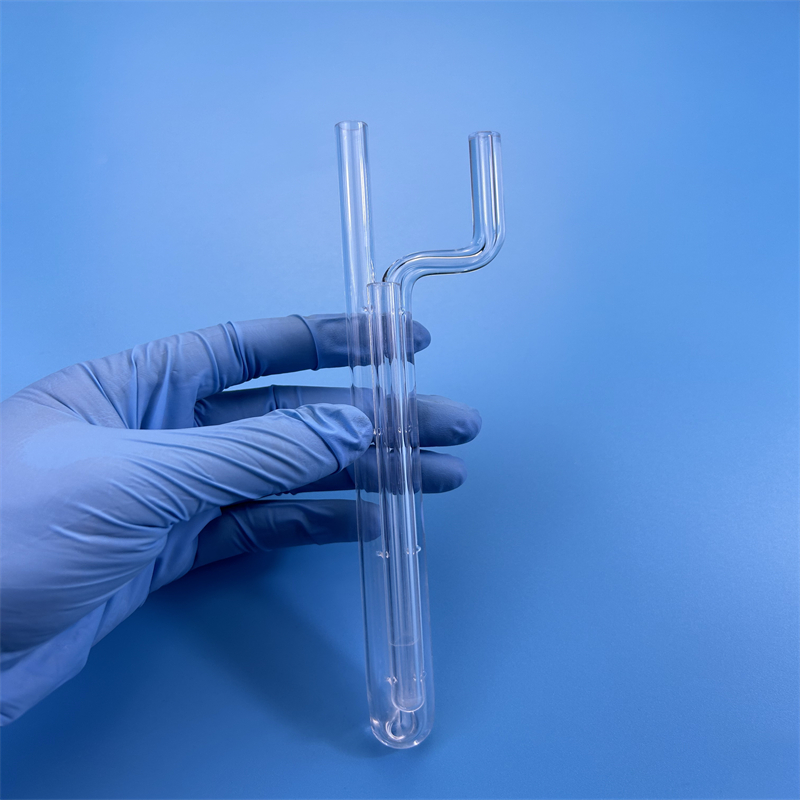
Chemisorption BET Test High Pressure Quartz Glass Twin Tube
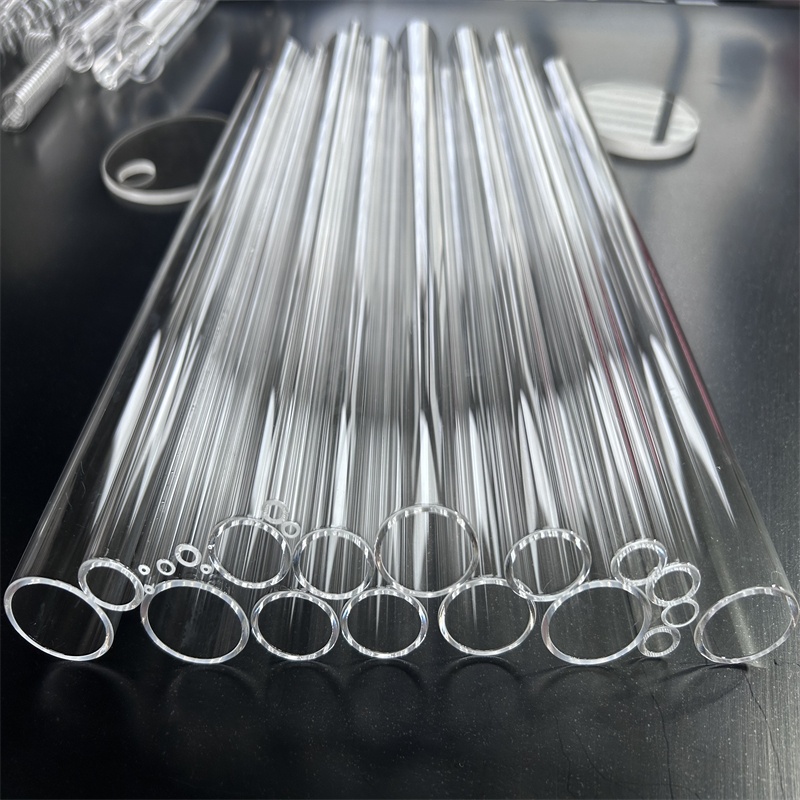
High Temperature Heat Resistant Clear Fused Quartz Twin Tube
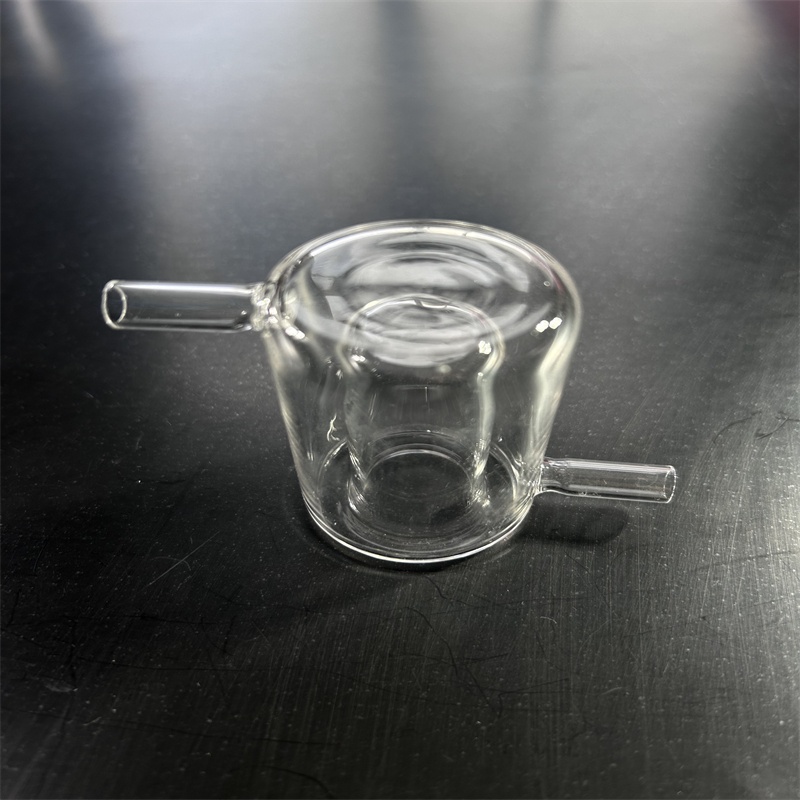
Custom 99.99% Pure Quartz Glass Reactor Twin Tube Services
99.999%
SiO2 Purity Grade
1200°C
Continuous Thermal Limit
≤ 0.1 nm/cm
Optical Strain Birefringence
≤ 1 ppm
Ultra-Low OH Radical Variant
Synthetic & Fused Quartz Ingot Manufacturing: Technical Foundation & Material Selection
In high-precision advanced manufacturing, quartz glass ingots serve as the fundamental substrate from which critical components—such as optical lenses, semiconductor wafer carriers, photomask substrates, and high-temperature reaction tubes—are wire-sawn, core-drilled, and polished. Understanding the material science behind fused quartz ingot production is essential for procurement managers and process engineers seeking to eliminate micro-defects, thermal distortion, and spectral contamination.
Commercial quartz glass ingots are generally classified into two overarching thermodynamic material families: Fused Natural Quartz Ingots and Synthetic Fused Silica Ingots. The fundamental difference lies in the raw material feed and synthesis methodology, directly impacting optical transmittance, metal impurity content, bubble class, and hydroxyl (OH⁻) content.
| Synthesis Category | Raw Material Source | SiO₂ Purity Level | Typical OH⁻ Content | Primary Industrial Applications |
|---|---|---|---|---|
| Electrically Fused Quartz Ingot | Purified Natural Rock Crystal Sand | ≥ 99.99% (4N) | < 1 ppm to 30 ppm | Semiconductor diffusion tubes, CZ furnace crucibles, infrared heaters |
| Flame Fused Quartz Ingot (Verneuil) | Beneficiated High-Purity Quartz Sand | ≥ 99.995% (4.5N) | 150 ppm to 400 ppm | Chemical process vessels, flange rings, high-temp sight glasses |
| Synthetic CVD Fused Silica Ingot | Silicon Tetrachloride (SiCl₄) Vapor | ≥ 99.9999% (6N) | 800 ppm to 1200 ppm (or <1ppm desiccated) | EUV photolithography, deep UV optics, laser windows, fiber optics |
Electrical Resistance Fusion vs. Flame Fusion Metallurgy: Electrically fused quartz ingots are synthesized under vacuum or controlled inert gas atmosphere using tungsten or graphite electrical elements. This processing route produces ingots with exceptionally low hydroxyl concentrations (<5 ppm), making them structurally stable at continuous operating temperatures exceeding 1100°C without risk of thermal devitrifcation or infrared absorption band peaks at 2.72 μm. Conversely, flame fusion ingots utilize oxy-hydrogen burners, resulting in higher OH content that lowers glass viscosity at elevated temperatures but offers exceptional bubble-free clarity (Class 0/1) for mechanical optical blanking.
Zelvo Quartz Enterprise Advantages & OEM Manufacturing Capabilities
Headquartered in Donghai County, Jiangsu—China's legendary "Crystal Capital"—Lianyungang Zelvo Quartz Products Co., Ltd. integrates raw material refinement with multi-axis CNC fabrication.
Donghai Raw Material Hub
Direct geographic access to world-class quartz sand beneficiation infrastructure ensures zero supply-chain disruption and low raw-material trace metal contamination.
CNC & Laser Machining
Equipped with 5-axis ultrasonic CNC grinding mills, diamond wire slitting saws, and laser drilling rigs capable of precision tolerances down to ±0.005 mm.
Metrology & Quality Assurance
Every quartz ingot batch undergoes ICP-MS trace elemental detection, laser spectrophotometer transmission testing, and polarization stress analysis before dispatch.
Fast Prototyping (MOQ 1 PC)
From 1-piece custom R&D laboratory trial ingots to full containerized OEM production schedules, we maintain agility with 2-hour technical drawing feedback.
Flame Annealing & Stress Relief
Computer-controlled thermal annealing kilns eliminate residual internal mechanical stress, preventing chipping or catastrophic cracking during customer diamond slicing.
Global Export Compliance
Shockproof customized vacuum and wooden crate packaging supporting DDP, FOB, CIF, and express shipping to North America, Europe, Asia, and the Middle East.
Future Procurement Trends in Synthetic & Fused Quartz Ingot Sourcing
As the semiconductor market advances toward sub-2nm node architectures and solar photovoltaics scale up N-type TOPCon and Perovskite-Silicon tandem cells, the global procurement landscape for OEM quartz glass ingots is undergoing structural technological evolution. Sourcing managers must align their supply chain standards with four macro procurement trends over the coming decade:
Key Procurement Takeaway for B2B Purchasing Officers
Selecting an OEM quartz factory requires looking beyond upfront raw material price per kilogram. Evaluating thermal annealing curves, residual strain birefringence (≤5 nm/cm), and trace metal impurity thresholds (particularly Alkali metals Na, K, Li < 0.1 ppm total) is crucial to avoid downstream processing scrap rates during wafer sawing and polishing.
1. Demand Surge for Large-Diameter Quartz Ingots (Ø450mm to Ø650mm)
With 300mm silicon wafer fabrication reaching maximum volume efficiency globally, semiconductor equipment makers are scaling up chamber components. Quartz ingots must now be cast or forged into larger cylindrical profiles without introducing radial thermal stress gradients or center-to-edge bubble density shifts. Manufacturing large-diameter ingots requires specialized multi-zone induction melting equipment capable of precise temperature stabilization across massive quartz mass profiles.
2. Ultra-Low Hydroxyl (OH⁻ < 0.5 ppm) Desiccated Ingot Variants
Extreme UV photolithography equipment and high-power industrial fiber laser optics demand synthetic quartz ingots with near-zero hydroxyl absorption. Hydroxyl molecules weaken the glass network silica matrix, lowering thermal degradation thresholds under high-energy photon bombardment. Custom vacuum desiccation annealing techniques are becoming standard buyer requirements for optical-grade quartz ingots destined for high-fluence laser applications.
3. Transition to 6N Purity Synthetic Silica Ingots in Semiconductor Etch Equipment
Plasma etching environments involving aggressive fluorine and chlorine chemistry rapidly degrade standard fused natural quartz components. Procurement teams are increasingly specifying synthetic quartz ingots featuring 99.9999% purity. The total elimination of aluminum, iron, and alkali trace impurities drastically reduces plasma erosion rates and prevents trace metal contamination on active silicon wafer surfaces during processing cycles.
4. Direct Digital CAD-to-Machined Ingot Supply Models
Tier-1 buyers are moving away from purchasing raw cylindrical ingots and performing in-house rough machining. Modern OEM factories, such as Zelvo Quartz, provide finished and semi-finished pre-forms—utilizing 5-axis CNC wire cutting and laser core drilling directly from 3D STEP files. This vertical integration reduces cross-border freight costs by eliminating transport of unmachined scrap weight.
Industry Development Trends & Technological Innovations in Quartz Glass Metallurgy
The manufacturing of quartz glass ingots has shifted from traditional labor-intensive flame manipulation toward highly automated, data-driven thermodynamic processing. Key technological breakthroughs driving industry growth include:
- Hot Radial Forging & Thermo-Mechanical Homogenization: To eliminate optical striae (refractive index variations) within large synthetic fused silica ingots, factories utilize hot radial forging processes. Heating quartz ingots above their softening point (~1683°C) and applying multi-directional mechanical compression reorganizes the molecular network, yielding 3D-isotropic glass free from planar optical distortions.
- Computer-Controlled Zone Refining for Raw Crystal Sand: Advanced chemical purification and thermal acid-leaching techniques have enabled natural quartz sand to reach purities previously achievable only via expensive chemical vapor deposition. This narrows the cost gap between natural fused quartz ingots and synthetic silica.
- Ultrasonic-Assisted Diamond Wire Slicing: Slicing ultra-hard quartz ingots into wafer substrates or optical plates historically caused surface micro-cracks requiring extensive lap-polishing. Ultrasonic diamond wire slitting reduces surface kerf loss, improves surface roughness (Ra < 0.2 μm), and accelerates processing speed by up to 300%.
Physical & Thermal Property Matrix of Standard Quartz Ingot Grades
| Physical / Optical Parameter | High-Purity Natural Fused Quartz | Synthetic Optical Fused Silica | Test Standard / Method |
|---|---|---|---|
| Density (ρ) | 2.20 g/cm³ | 2.201 g/cm³ | ASTM C693 |
| Coefficient of Thermal Expansion (CTE) | 5.5 × 10⁻⁷ /°C (20°C - 320°C) | 5.2 × 10⁻⁷ /°C (20°C - 320°C) | ASTM E228 |
| Refractive Index (nd at 589.3 nm) | 1.4585 | 1.4584 | Abbe Refractometer |
| Softening Point | 1683 °C | 1600 °C | ASTM C338 |
| Annealing Point | 1215 °C | 1120 °C | ASTM C336 |
| UV Transmission (at 248 nm, 10mm thickness) | > 85% | > 99.9% | UV-Vis Spectrophotometer |
Frequently Asked Questions (FAQ) for OEM Quartz Ingot Sourcing
Technical answers to common engineering and commercial procurement queries regarding quartz glass ingot manufacturing.
What dimensions and shapes of custom quartz glass ingots can Zelvo Quartz produce?
+
We manufacture cylindrical quartz glass ingots, rectangular quartz blocks, square slabs, and hollow quartz cylinder pre-forms. Outer diameters range from 10 mm up to 650 mm, with lengths customizable up to 2000 mm depending on purity level and wall thickness specifications. Custom profile wire sawing and core drilling are fully supported.
How do I determine whether my application requires Natural Fused Quartz or Synthetic Fused Silica ingots?
+
Natural Fused Quartz ingots (SiO₂ ≥ 99.99%) are ideal for high-temperature structural, furnace, and semiconductor thermal diffusion applications due to their high softening point (1683°C) and low hydroxyl content (<30 ppm). Synthetic Fused Silica ingots (SiO₂ ≥ 99.9999%) are necessary for high-precision optical lenses, UV laser windows, photomasks, and fluorine plasma etch environments where absolute optical homogeneity and zero metallic impurity are required.
What quality assurance documentation is provided with OEM quartz ingot shipments?
+
Every shipment includes a comprehensive Certificate of Analysis (CoA) detailing trace element metallic impurities (via ICP-MS), hydroxyl (OH⁻) content absorption curve graphs, dimensional tolerance verification reports, and optical bubble class certification (according to DIN ISO 10110 standards).
What is the Minimum Order Quantity (MOQ) and sample lead time for custom ingot machining?
+
To support R&D prototyping and university lab testing, our MOQ starts at 1 piece. Prototype samples typically ship within 5 to 7 working days following CAD drawing approval. Full production batch orders are scheduled according to order volume with dedicated project management support.
How does Zelvo Quartz prevent internal mechanical stress and cracking during customer slicing?
+
All our quartz ingots undergo computer-controlled fine annealing in dedicated thermal kilns. The cooling cycle is carefully managed to eliminate residual internal stress. Every ingot is inspected using polariscopes to verify birefringence levels (≤ 5 nm/cm) prior to shipping, ensuring clean diamond-wire slicing without catastrophic cracking.
What packaging measures are taken to guarantee damage-free international transport?
+
Heavy quartz ingots and delicate pre-forms are double-wrapped in cleanroom PE film, vacuum sealed, and suspended in high-density shock-absorbing EPE foam inside custom fumigated wooden crates. Packages are shock-sensor tagged and shipped via trusted international freight carriers (DHL, FedEx, air freight, or sea freight) under full transit insurance coverage.
Ready to Source Custom OEM Quartz Glass Ingots?
Send us your 2D/3D CAD drawings or technical specifications today. Our senior quartz engineering team will review your application requirements and provide a competitive factory-direct quote within 2 hours.