Standard & Custom High-Purity Quartz Components
Engineered directly from premium Grade-A fused silica ingots. Each component undergoes strict thermal annealing, flame-polishing, and laser tolerance verification to ensure seamless integration into European production lines.
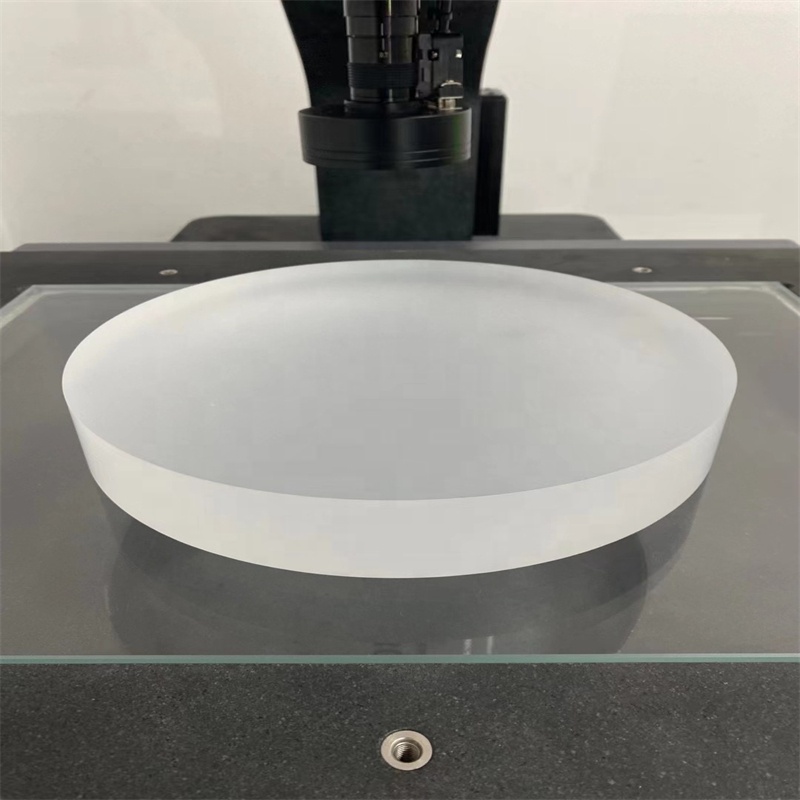
Custom Clear Fused Quartz Plate (Optics & Welding)
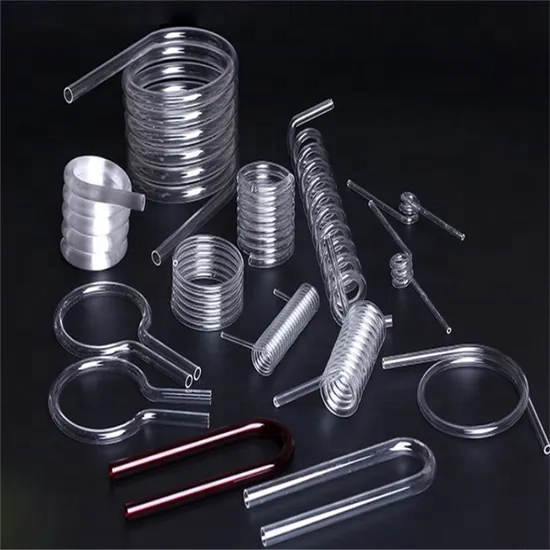
U-Bent Quartz Spiral Tube with Precision Moulding
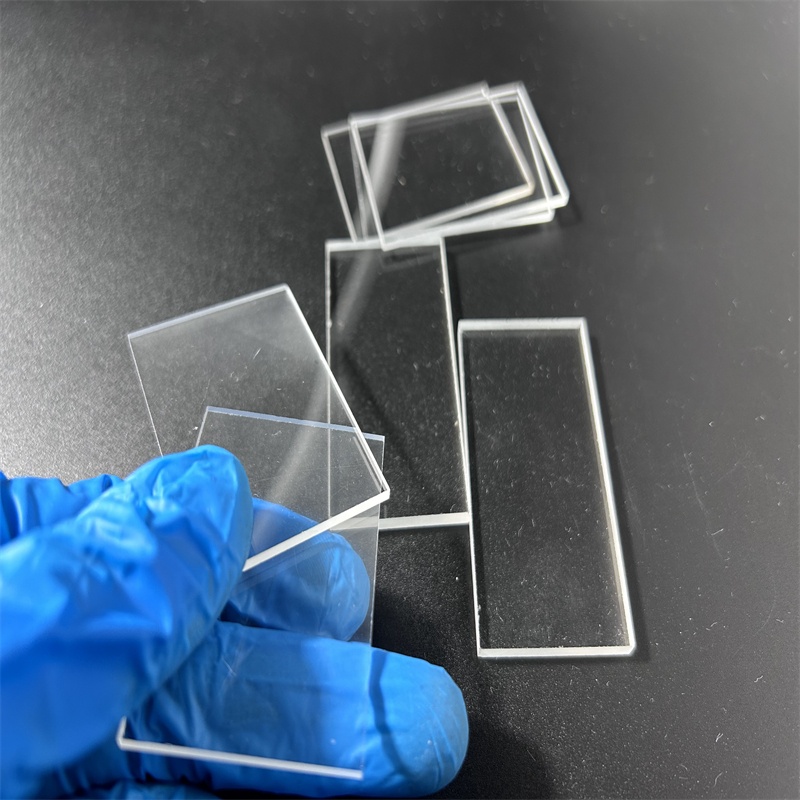
High-Temperature Optical Grade Fused Quartz Sheet
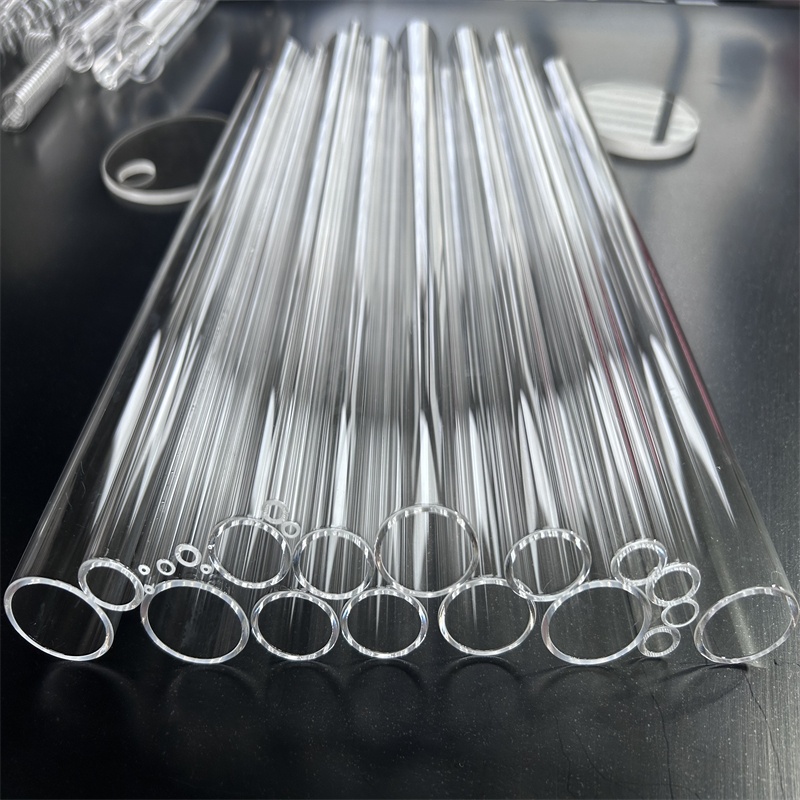
Clear 99.99% Pure Fused Quartz Twin Tube Assembly
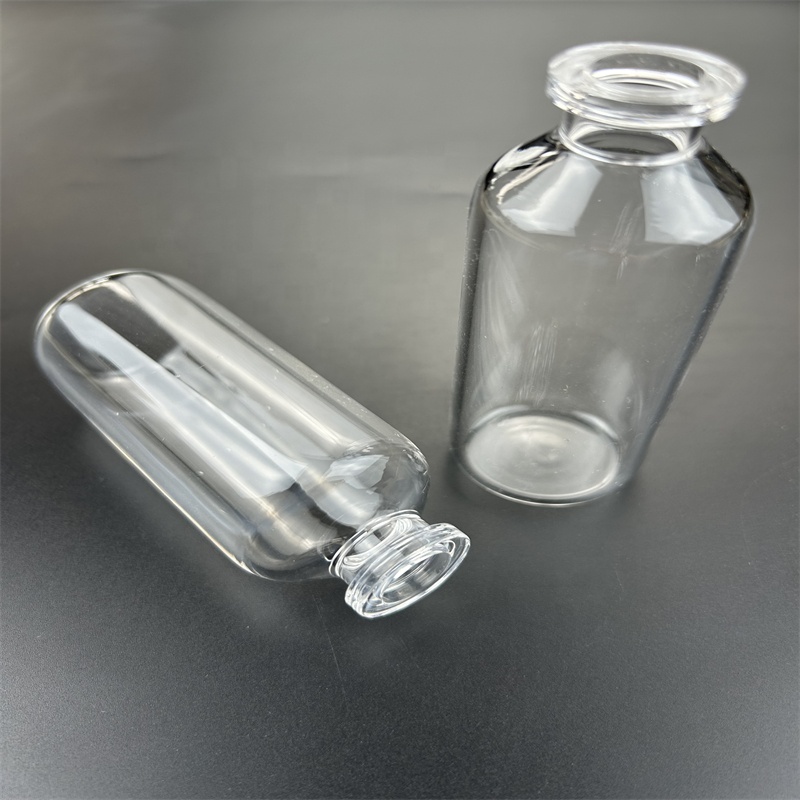
High-Pressure Corrosion-Resistant Quartz Ampoules
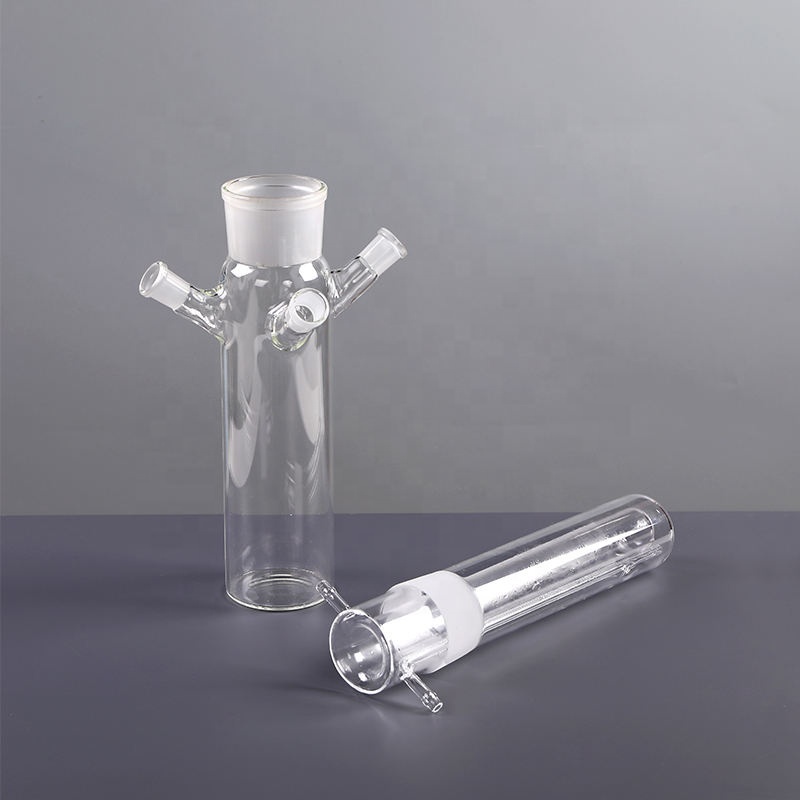
Photocatalytic Degradation Quartz Reactor Container
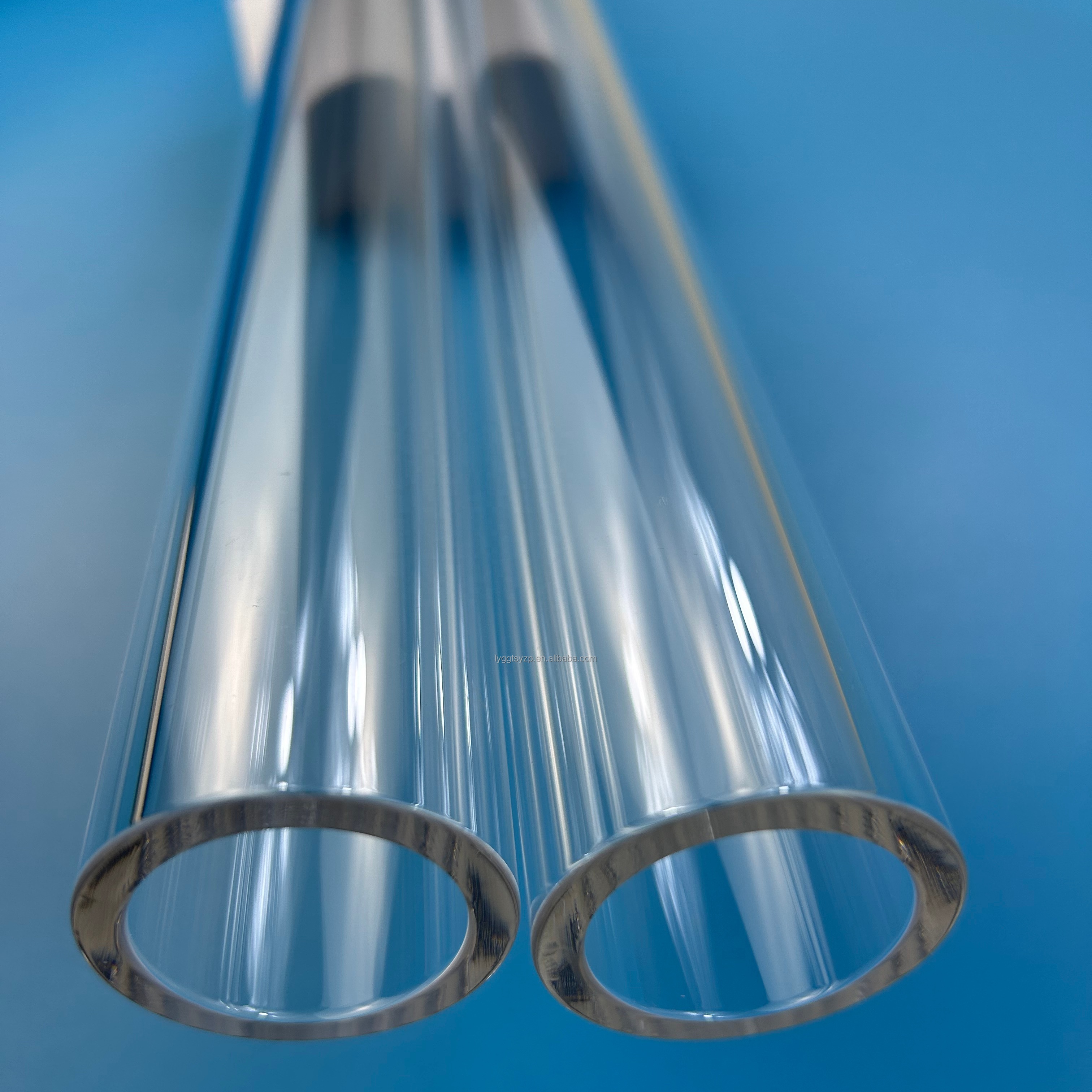
Semiconductor Furnace Quartz Twin Tube Heater Core
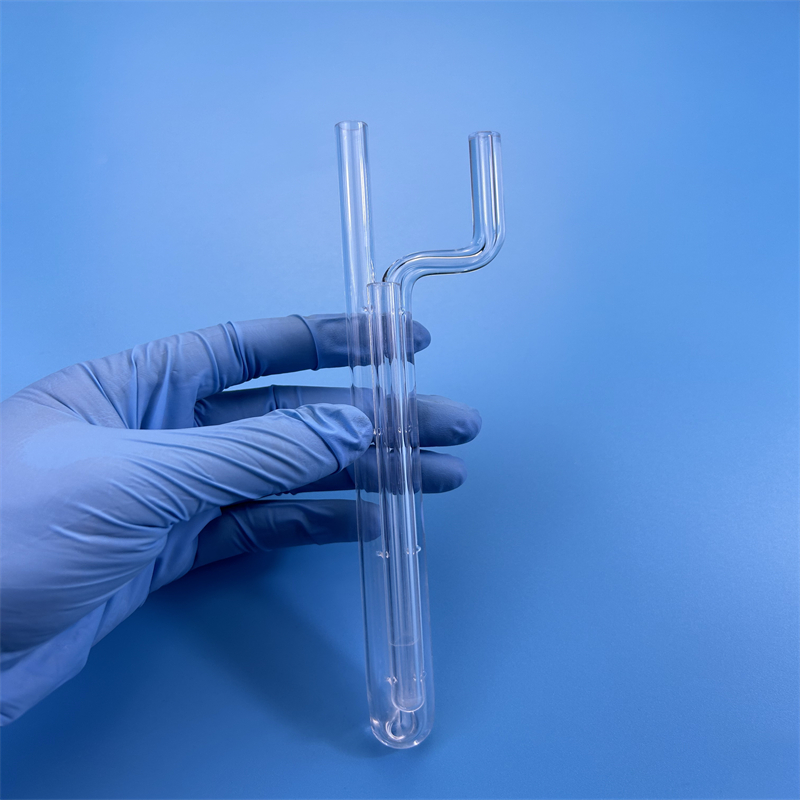
Chemisorption BET Test High-Pressure Quartz Tube
Fused Quartz Glass Ingots: Material Chemistry, Synthetic Growth & Precision Machining
For procurement specialists, optical engineers, and research directors across the Copenhagen Capital Region (Region Hovedstaden), sourcing quartz glass is fundamentally governed by the structural integrity of the precursor quartz glass ingot (boule). Whether intended for deep-UV (DUV) lithography optics, semiconductor diffusion furnaces, or bio-catalytic high-pressure containers, the physical performance of the finished glass component is irrevocably bound to the smelting method, hydroxyl [OH⁻] radical concentration, and raw crystalline mineral feedstock.
1. Precursor Chemistry: Natural Fused Quartz vs. Synthetic Fused Silica
In high-precision manufacturing, an ingot is not simply a piece of melted sand. We classify ingots into two primary crystalline lineages:
Natural Fused Quartz (Electrically or Gas-Oxygen Fused): Manufactured by refining natural crystalline quartz veins from China's Donghai deposit—the world-renowned capital of silica resources. The raw SiO₂ crystal reaches purities of 99.99% to 99.999% (4N to 5N). Metallic impurities (Fe, Al, Ti, Na, K, Li) are reduced below critical ppm thresholds using hydrofluoric acid pickling and vacuum magnetic separation. Natural fused quartz ingots demonstrate superior structural viscosity at temperatures exceeding 1050°C, making them the industry benchmark for heavy-wall process tubes, epitaxy bell jars, and high-temperature thermal baffles.
Synthetic Fused Silica (Chemical Vapor Deposition - CVD / VAD): Synthesized via the vapor-phase oxidation of silicon tetrachloride (SiCl₄) or organic silanes in a specialized hydrogen-oxygen flame chamber. This creates an amorphous SiO₂ ingot possessing 99.9999% purity (6N+), virtually devoid of any metallic inclusions. With an internal absorption band engineered for 193 nm and 248 nm laser wavelengths, synthetic ingots are diamond-wire sliced into optical windows, excimer laser photomasks, and interferometer reference plates deployed in Denmark's quantum computing laboratories.
Physical, Thermal & Optical Properties Benchmark
| Engineering Property | Optical Grade Synthetic Silica (JGS1) | Clear Fused Natural Quartz (JGS2) | Infrared Transparent Ingot (JGS3) | Standard Lab Borosilicate (Ref.) |
|---|---|---|---|---|
| Chemical Purity (SiO₂) | > 99.9999% (< 0.1 ppm metal) | ≥ 99.995% (< 15 ppm metal) | ≥ 99.99% (< 25 ppm metal) | ~ 80% (Contains B₂O₃, Na₂O) |
| Hydroxyl [OH⁻] Content | 800 – 1200 ppm (or <1 ppm dry) | 30 – 150 ppm | < 5 ppm (Anhydrous) | N/A |
| Optical Transmission Window | 185 nm – 2500 nm (Deep DUV) | 220 nm – 2500 nm (Broad Band) | 260 nm – 3500 nm (Near-IR) | 310 nm – 2200 nm |
| Continuous Service Temp | 1100 °C | 1150 °C | 1150 °C | 450 °C |
| Softening Point (Log η = 7.6) | 1600 °C | 1683 °C | 1680 °C | 820 °C |
| Thermal Expansion (CTE, 20-300°C) | 5.4 × 10⁻⁷ / K | 5.5 × 10⁻⁷ / K | 5.5 × 10⁻⁷ / K | 33 × 10⁻⁷ / K |
| Dielectric Constant (1 MHz) | 3.75 | 3.80 | 3.80 | 4.6 |
2. Microstructure Homogeneity & Striae-Free Processing
When large cylindrical quartz ingots are pulled from electric fusion furnaces, radial thermal gradients can induce localized density variations, leading to refractive index gradients (Δn) and internal mechanical stresses (photoelastic birefringence). In optical lithography and laser beam guiding applications, unannealed residual stress produces wavefront distortion and focal plane drift.
Zelvo Quartz implements an automated, computer-controlled secondary annealing program across all optical blank cutouts. By heating ingots to the annealing point (1215°C) and executing stepped cooling cycles over 72 to 120 hours, birefringence is suppressed below 5 nm/cm, complying strictly with ISO 10110-2 (Class 1 to Class 3 bubble and inclusion standards).
Localized Applications Across the Greater Copenhagen Tech Hub
From the academic corridors of DTU Lyngby to the life science campuses of Medicon Valley, our quartz ingots and custom fabricated lab ware fulfill rigorous Danish quality mandates.
Quantum Photonics & Nanotech Research
Copenhagen is globally recognized for quantum computing breakthroughs via the Niels Bohr Institute and DTU Nanolab. Fused silica ingots with zero bubble inclusion (DIN 3140 1/0) are sliced and polished into ultra-flat optical substrates (λ/10 surface accuracy). These components serve as non-fluorescent cryogenic vacuum windows and optical cavity isolators that withstand helium dilution refrigeration cycles down to millikelvin temperatures without micro-cracking.
Medicon Valley Biopharma Synthesis
Stretching across Copenhagen to Scania, Medicon Valley demands total chemical inertness. Our high-pressure quartz ampoules and photocatalytic reactor containers provide an alkali-free, biologically neutral environment. Because fused silica does not leach heavy metal ions or boron into aggressive cell cultures or concentrated peptide solutions, it is chosen by Danish pharmaceutical leaders for API synthesis and UV-sterilization validation.
Power-to-X & Sustainable Green Energy
Denmark's aggressive green transition relies on Power-to-X (P2X) hydrogen electrolysis and catalytic carbon capture. Our customized BET chemisorption twin tubes and quartz combustion reactor tubes enable continuous catalyst characterization up to 1300°C. Researchers at Danish clean-tech institutes rely on these vacuum-sealed quartz cells to analyze active surface surface area, pore size distribution, and syngas reaction kinetics under harsh thermal cycling.
Emerging Trends Shaping Danish Quartz Procurement
A forward-looking analysis of the technological and regulatory shifts governing precision glass importation in Scandinavia.
Rigorous ESG & REACH SVHC Tracing
Danish corporate governance policies increasingly require tier-1 and tier-2 suppliers to provide verifiable lifecycle footprint data. Quartz products must comply with the EU REACH regulation (EC 1907/2006) and contain 0% Substances of Very High Concern (SVHC). Zelvo Quartz enforces clean-energy smelting protocols and provides third-party ICP-MS chemical purity reports, ensuring painless import clearance at Toldstyrelsen (Danish Customs).
Shift toward Modular On-Demand Prototyping
Nordic engineering houses are pivoting away from massive warehousing of standard components in favor of rapid, drawing-based prototyping with low Minimum Order Quantities (MOQ). Our production model—supporting 1-piece custom fabrication with CNC laser drilling and 3D glass blowing—directly addresses this requirement, reducing capital stagnation and enabling Danish R&D teams to iterate design envelopes in days rather than months.
Ultra-Precision Micro-Machined Quartz
The convergence of photonics and microfluidics in Scandinavian medical devices has pushed manufacturing requirements into the sub-micron regime. Laser cutting, ultrasonic slotting, and flame-polishing must guarantee edge chip-outs <0.05 mm. Standard mechanical cutting is no longer sufficient; ingots must undergo laser-trepanning and chemical etching to eliminate micro-fractures that could propagate during thermal shock.
Lianyungang Zelvo Quartz Products Co., Ltd.
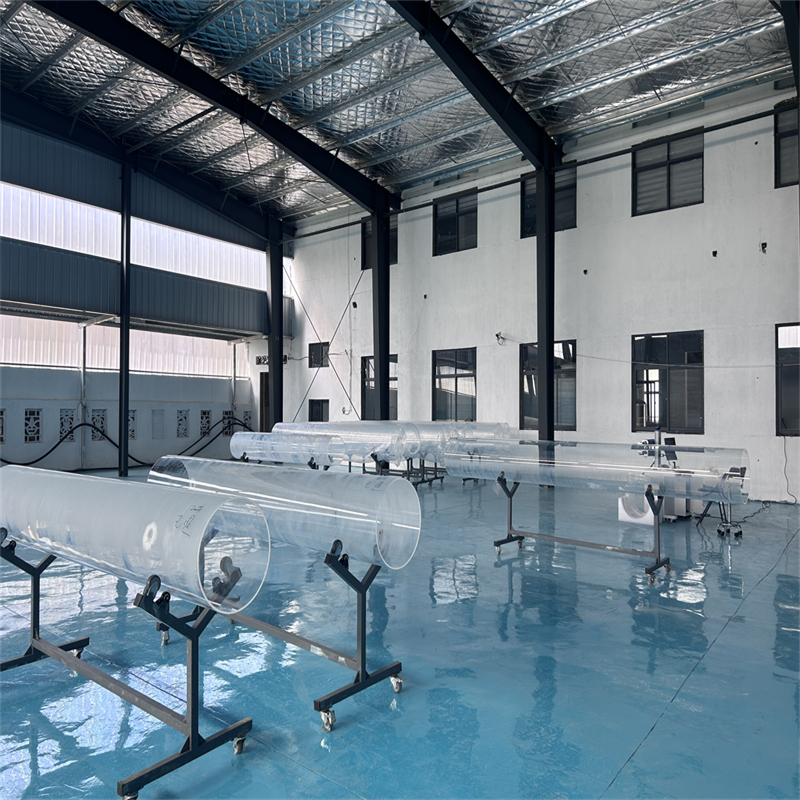
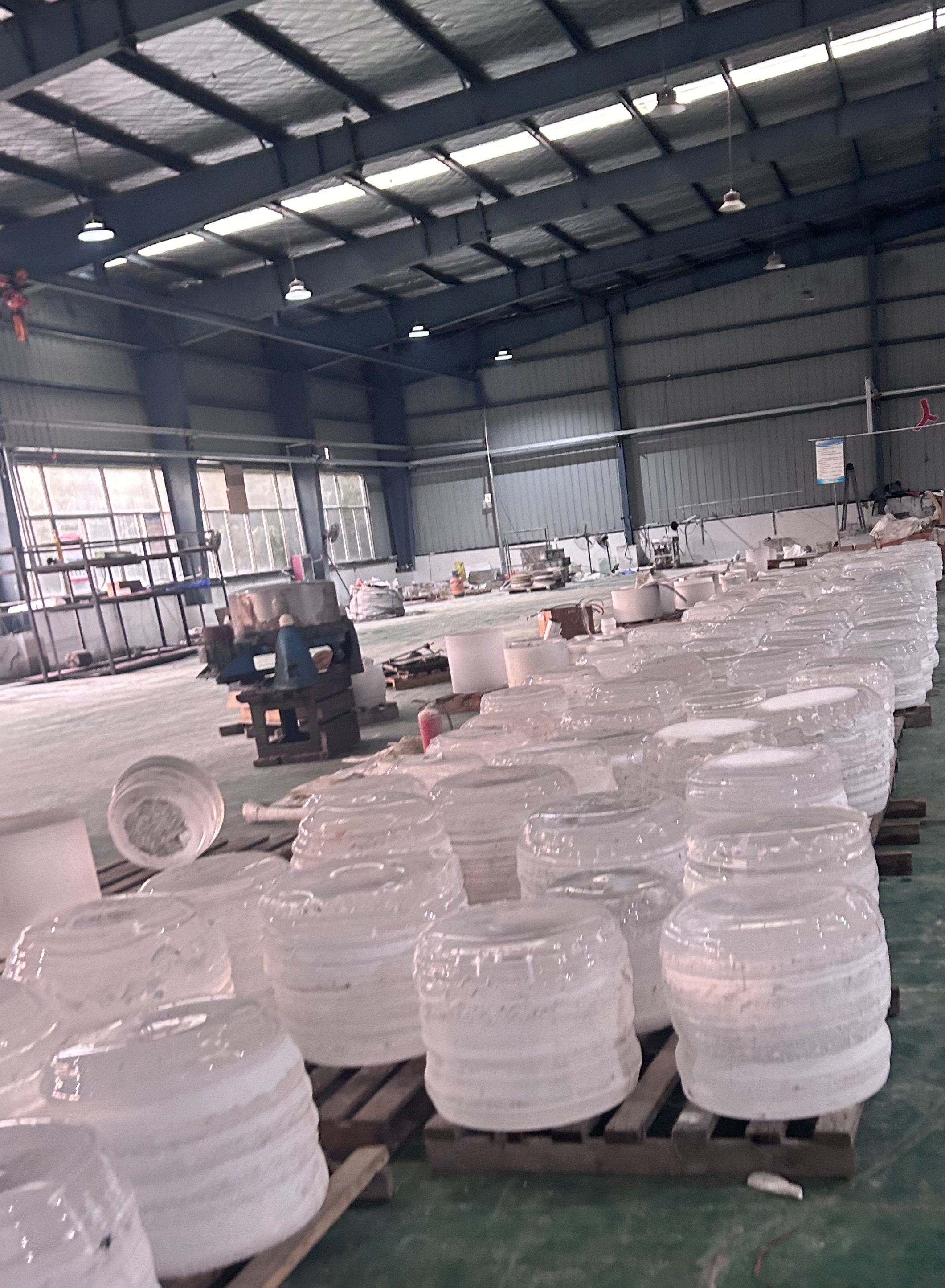
Rooted in Donghai County—the Silica Capital of China—combining raw ingot smelting with high-precision downstream fabrication.
Raw Mineral Advantage
Direct access to Donghai's high-purity natural silica reserves reduces raw material lead times and insulates international buyers from global supply shocks.
CNC & Laser Micro-Drilling
Equipped with multi-axis CNC machines and UV laser cutting systems capable of machining precision bores, counter-bores, and intricate XRD slots down to ±0.02 mm.
Master Glass Blowers
Our artisan glass blowers carry over 10 years of flame-welding expertise. Complex geometries such as twin-tube seals, U-bends, and jacketed reactors are fused with zero internal bubble porosity.
Zero-Breakage Export Crates
Engineered multi-layer EPE foam suspension, moisture-proof vacuum wrapping, and ISPM-15 compliant shockproof timber crates guarantee damage-free delivery to Copenhagen.

Copenhagen B2B Buyer Questions & Logistics Guide
Practical answers addressing Danish customs duties, material certification, shipping timelines, and technical tolerances.
What are the import duties and customs procedures for shipping quartz glass into Denmark (Copenhagen)?
How do you guarantee that optical quartz plates will not break or chip during international transit?
Can Zelvo Quartz manufacture components according to our proprietary 2D/3D CAD drawings?
What material grade is recommended for deep-UV (DUV) optical applications versus high-temperature furnaces?
What documentation and batch quality traceability are supplied with shipments?
What are the typical lead times for custom quartz prototypes dispatched to Denmark?
Require a Custom Ingot Cut or Precision Quartz Fabrication?
Speak directly with our senior quartz applications engineering team. Submit your CAD drawing, specifications, or prototype requirements today. We will review thermal feasibility, recommend the optimal silica grade, and return a formal factory-direct quotation within 2 hours.