Featured Precision Quartz & Thermal Tube Formats
Direct from China's quartz capital (Donghai) to Sarajevo and the wider Federation of Bosnia and Herzegovina. Engineered to withstand continuous temperatures of 1100°C, zero thermal expansion stress, and instant freeze-thaw transitions.
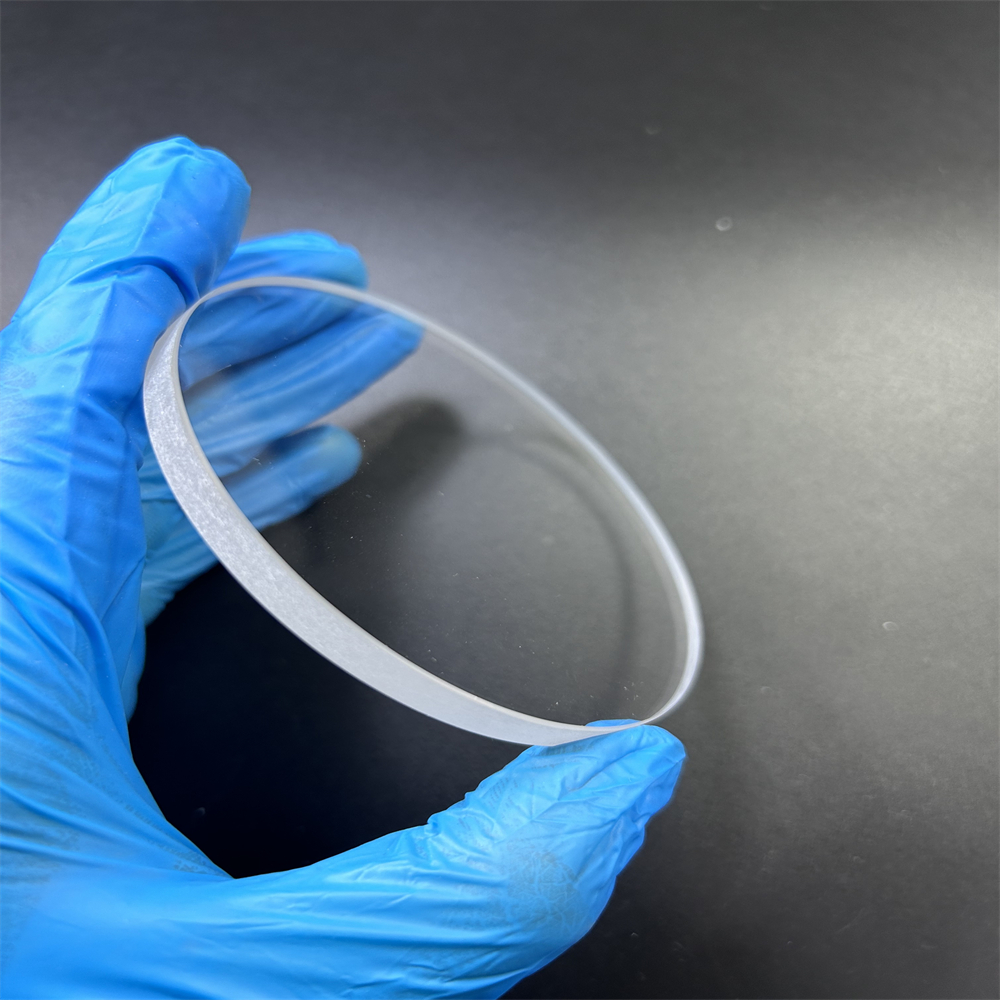
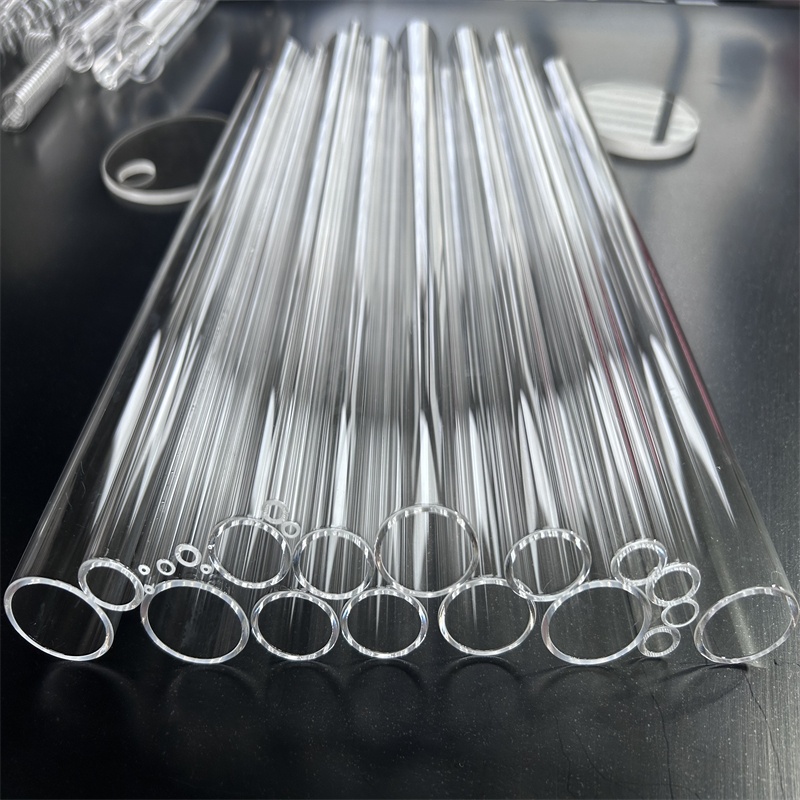
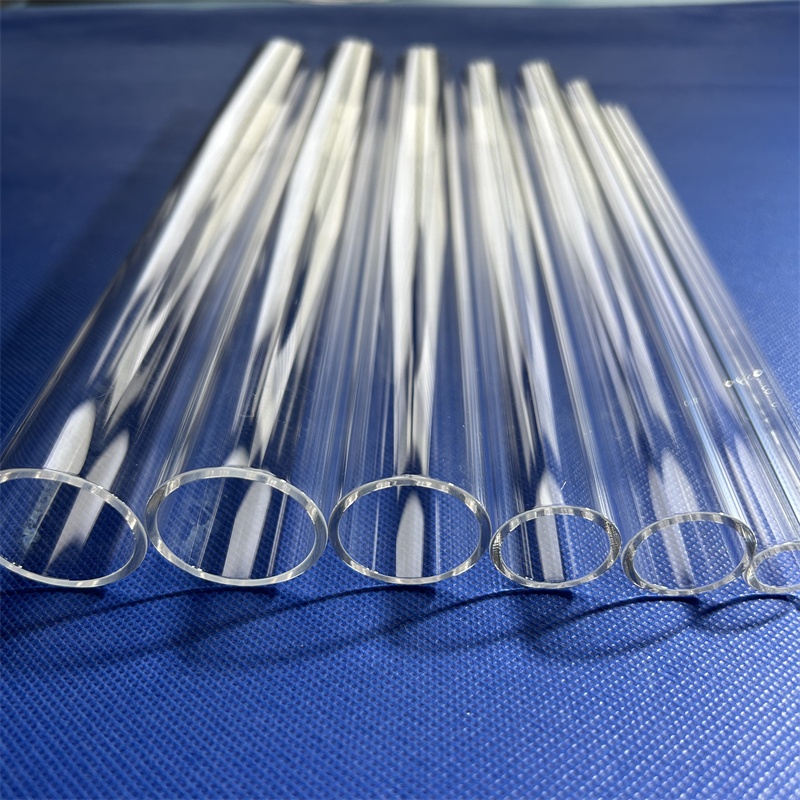
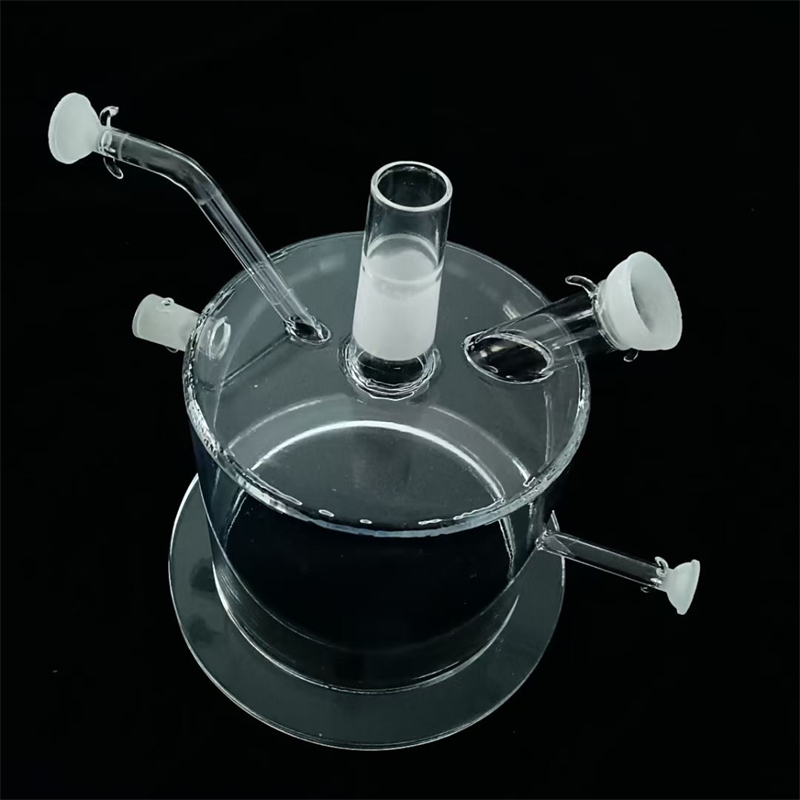
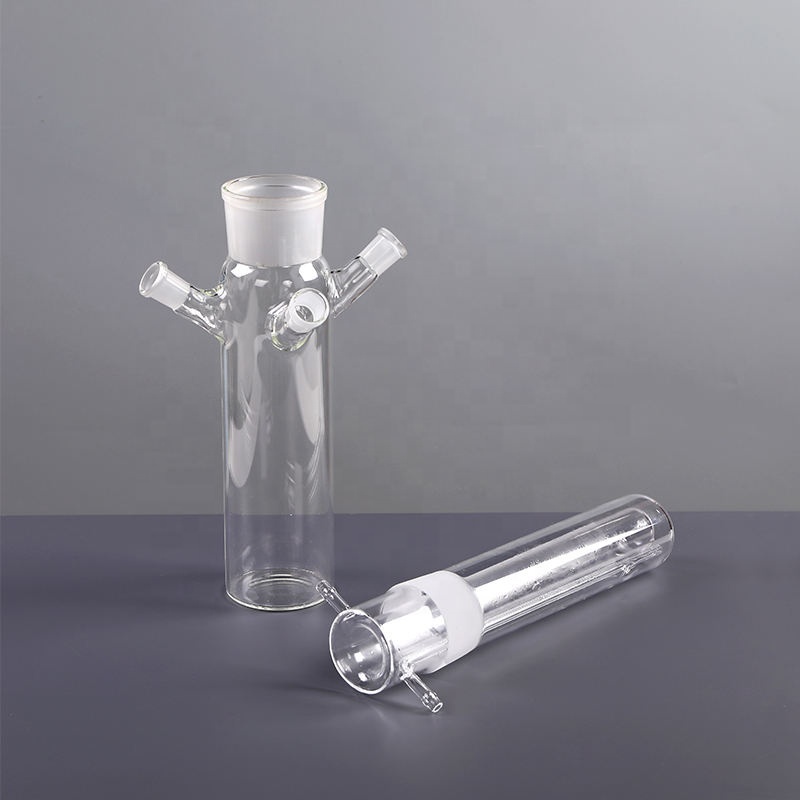
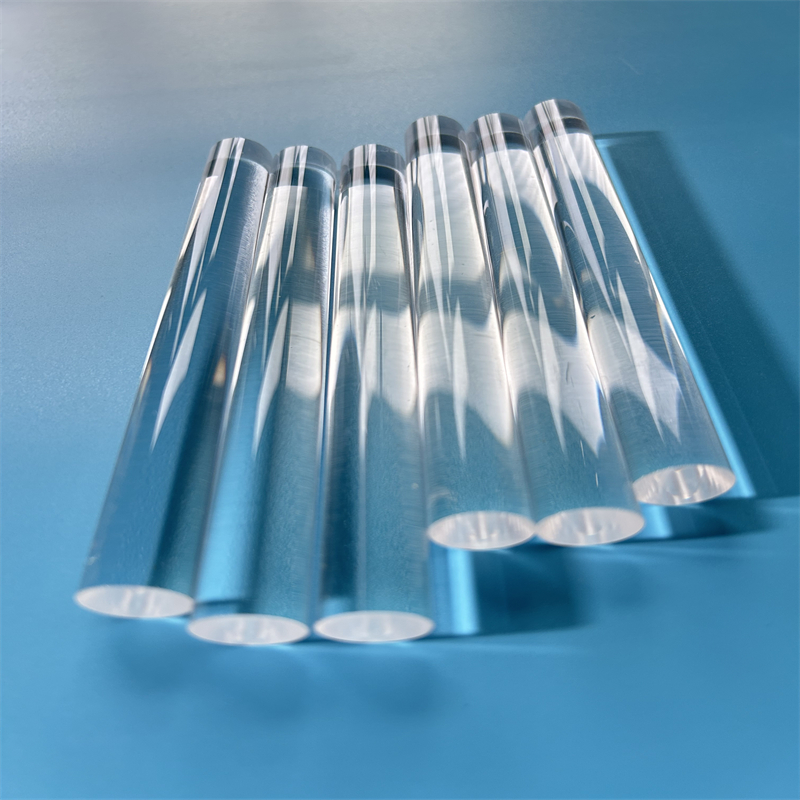
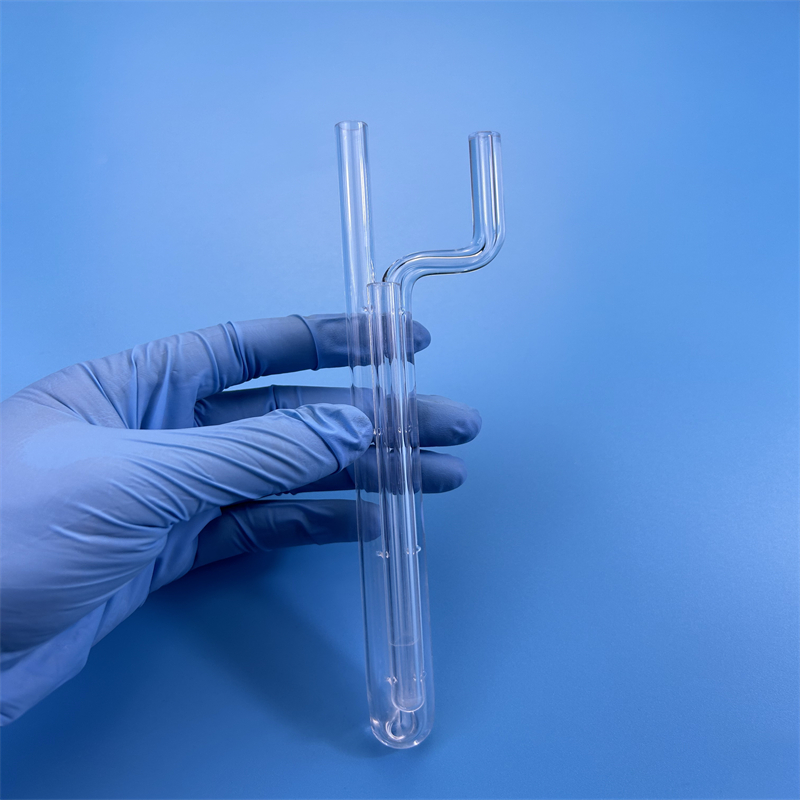
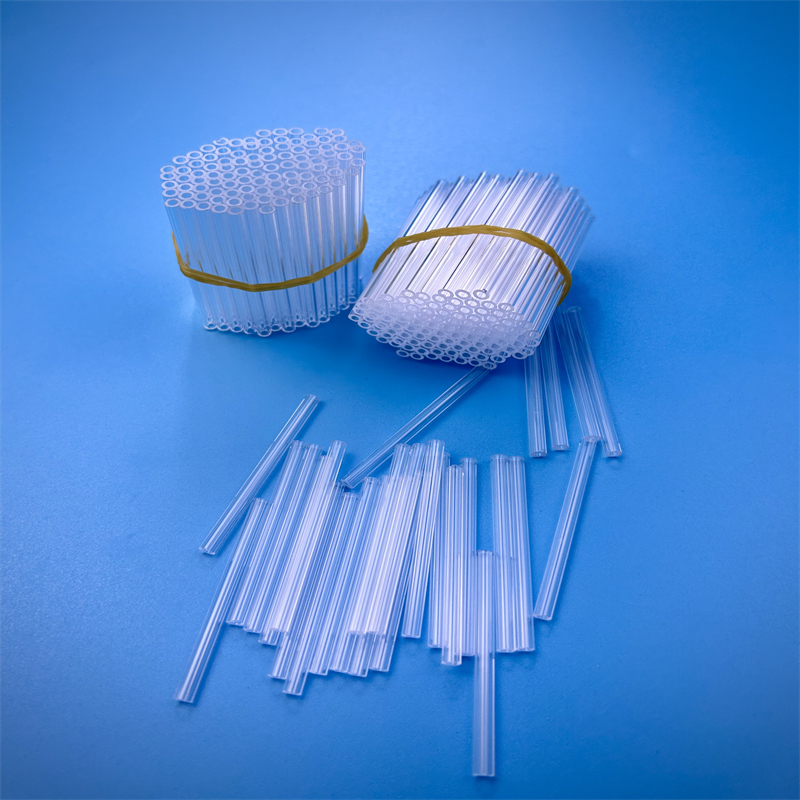
Engineering Patio Heater Glass Tubes for Sarajevo’s Microclimate
Why conventional commercial borosilicate fails in the Dinaric Alps basin and how high-purity fused silica (SiO₂) ensures zero-shatter reliability under extreme temperature gradients.
Sarajevo sits in an elongated mountain basin at an elevation of approximately 518 to 700 meters above sea level, surrounded by the severe alpine peaks of Trebević, Igman, and Bjelašnica. During the late autumn and winter seasons (November through March), the Sarajevo valley experiences severe temperature inversions characterized by freezing dense mists, sudden sub-zero plunges reaching -15°C to -22°C, and sudden squalls of mixed freezing rain and snow. For the city's vibrant outdoor hospitality industry—spanning the dense cobblestone cafe terraces of Baščaršija (Stari Grad) to the sprawling hotel lounges in Centar and Novo Sarajevo—outdoor gas flame pyramid heaters and radiant towers are not seasonal luxuries; they are fundamental revenue generators that must operate reliably for 10 to 14 consecutive hours per day.
The central point of failure in commercial outdoor flame towers is the replacement glass tube. Most mass-market patio heaters imported into the Western Balkans are fitted at the factory with economy-grade Borosilicate 3.3 or even inferior heat-resistant soda-lime glass. When an outdoor heater is fired up, the internal core temperature adjacent to the swirling LPG or natural gas flame reaches between 650°C and 850°C within 180 seconds. In Sarajevo, sudden environmental exposure—such as freezing meltwater dripping from historic eaves, wind-driven sleet, or sudden customer beverage spills—creates an immediate localized temperature delta (ΔT) in excess of 600°C across a 3mm wall thickness. In standard glass, the coefficient of thermal expansion creates massive internal tensile hoop stresses that exceed the material's rupture modulus, leading to catastrophic shattering, hazardous glass shards on crowded terraces, and immediate business disruption.
| Material Engineering Parameter | Zelvo High-Purity Fused Quartz | Standard Commercial Borosilicate 3.3 | Economy Tempered Soda-Lime Glass |
|---|---|---|---|
| Chemical Composition | ≥ 99.99% Pure SiO₂ | ≈ 81% SiO₂, 13% B₂O₃, 4% Na₂O | ≈ 72% SiO₂, 14% Na₂O, 9% CaO |
| Thermal Expansion Coeff. (0–300°C) | 5.5 × 10⁻⁷ / K (Virtually Zero) | 33.0 × 10⁻⁷ / K | 90.0 × 10⁻⁷ / K |
| Max Safe Continuous Temp | 1100 °C | 450 °C – 500 °C | 220 °C – 250 °C |
| Instant Thermal Shock Delta (ΔT) | > 1100 °C (Direct ice water quench) | 150 °C – 180 °C | 80 °C – 100 °C |
| Softening Point | ≈ 1683 °C | ≈ 820 °C | ≈ 700 °C |
| Infrared (IR) Radiative Efficiency | 92% (High Medium-Wave Penetration) | 76% (Moderate Surface Absorption) | 58% (High Heat Confinement / Loss) |
| Resistance to Flue Acid Condensation | Class 1 Complete Resistance | Class 1 Standard Resistance | Degrades / Surface Clouding within 90 days |
Targeted Applications Across Sarajevo’s Urban & Alpine Landscape
From protected Ottoman-era stone alleyways to high-altitude Olympic ski lodges, our replacement quartz tubes solve explicit localized heating challenges.
Baščaršija & Old Town Terraces
The dense architectural layout of Stari Grad and Sarači Street demands impeccable flame control and zero soot accumulation. Compact cafes and ćevabdžinica open gardens operate in narrow corridors where patron proximity is intimate.
- Zero-expansion quartz prevents micro-fissuring and soot adhesion.
- Flame polishing provides 360-degree luminous fire visual warmth.
- Eliminates hazardous shattering risks in crowded pedestrian zones.
Centar & Marijin Dvor Lounges
High-end hotels along Zmaja od Bosne, corporate verandas, and shopping center open-air corridors require premium 4-sided pyramid flame heaters with immaculate optical clarity and modern design aesthetics.
- Standard 49.5" × 4" (1255mm × 100mm) precision-toleranced tubes.
- High transmission converts LPG energy into penetrative radiant warmth.
- Ozone-free, high-temperature silicone connection rings supplied.
Bjelašnica & Jahorina Ski Chalets
At altitudes exceeding 1300–1900 meters, mountain chalets and après-ski terraces face gale-force winds, sudden sub-zero blizzards (-20°C), and immediate melt-freeze cycling that destroys ordinary glass.
- Heavy-wall 3.0mm quartz construction resists alpine wind fatigue.
- Direct ice-melt contact immunity while burner operates at 800°C.
- Extended durability drastically cuts remote mountain maintenance calls.
Balkan Hospitality Heating Trends & Regulatory Shifts
An examination of heating asset lifecycle management, European fuel efficiency directives, and the economic rationale for factory-direct quartz upgrades in Bosnia and Herzegovina.
1. Year-Round Al Fresco Dining Expansion
Driven by the dramatic surge in inbound international tourism in Canton Sarajevo (exceeding pre-pandemic records with visitors from Western Europe, the Gulf States, and neighboring Adriatic nations), cafe culture has transitioned into a permanent 12-month commercial operation. Outdoor terraces account for upwards of 45% of total venue covers. Commercial operators cannot afford down-time or seasonal terrace shutdowns due to cracked heater glass.
Venues increasingly reject low-capacity electric fan blowers in favor of high-impact visual gas flame columns, elevating the replacement glass tube from an afterthought to a core operational asset.
2. Energy Efficiency & Propane Cost Containment
With commercial LPG prices fluctuating across the Balkan trade corridor, energy loss through poor convective conversion represents a significant overhead cost. Standard glass reflects infrared radiation backward into the metal chimney where it is wasted into the atmosphere. Fused quartz features an exceptional transmission window in the medium-wave infrared spectrum (1.5 μm to 3.0 μm).
This allows direct forward radiant transfer to seated patrons, achieving an expanded comfort radius of 2.5 to 3.2 meters while permitting burners to be dialed down by 15% to 20% without sacrificing ambient warmth.
3. Harmonization with EU Safety Directives (EN 14543)
As Bosnia and Herzegovina deepens regulatory alignment with European Union technical standards, commercial appliances must meet rigorous specifications under EN 14543 (Specification for dedicated liquefied petroleum gas appliances - Parasol patio heaters). Municipal safety inspections in Sarajevo are becoming stricter regarding flame containment, unvented flue integrity, and terrace occupant protection.
Our factory-calibrated quartz tubes ensure flame stability, zero structural deformation under thermal stress, and continuous safety compliance for commercial facility operators.
4. Transition from Fragmented Retail to B2B Direct Sourcing
Historically, Sarajevo restaurant and hotel managers relied on local intermediaries or expensive European parts distributors to replace shattered tubes, paying high markups for generic borosilicate tubes that frequently arrived damaged or broke within weeks. Today, hospitality chains, facility management contractors, and heating equipment distributors in BiH procure directly from specialized manufacturing factories.
Factory-direct sourcing provides verified dimensional tolerances, drop-tested protective crating, and bulk pricing economies that slash replacement costs by over 50%.
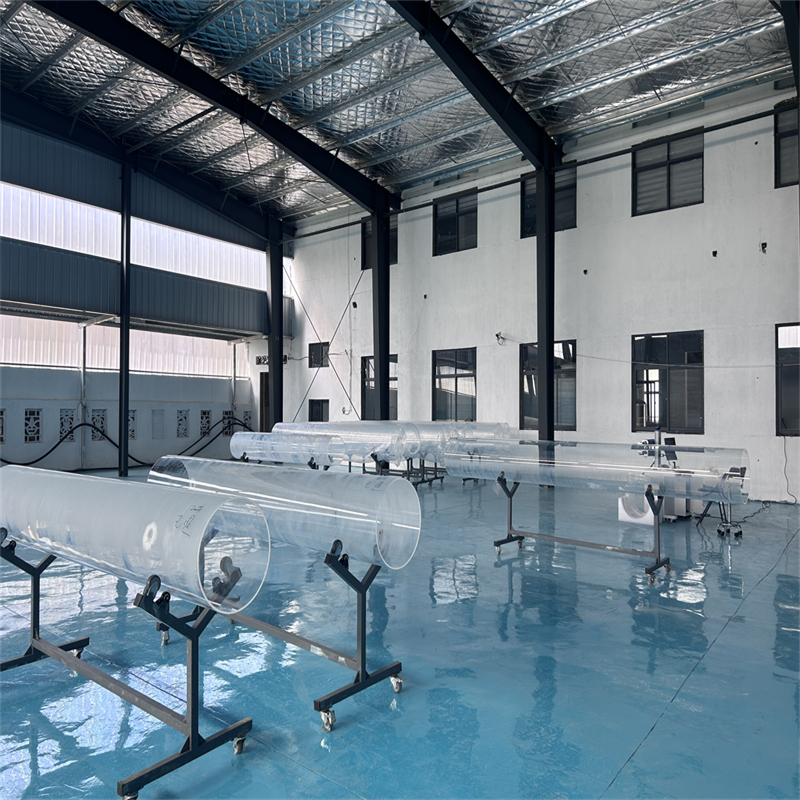
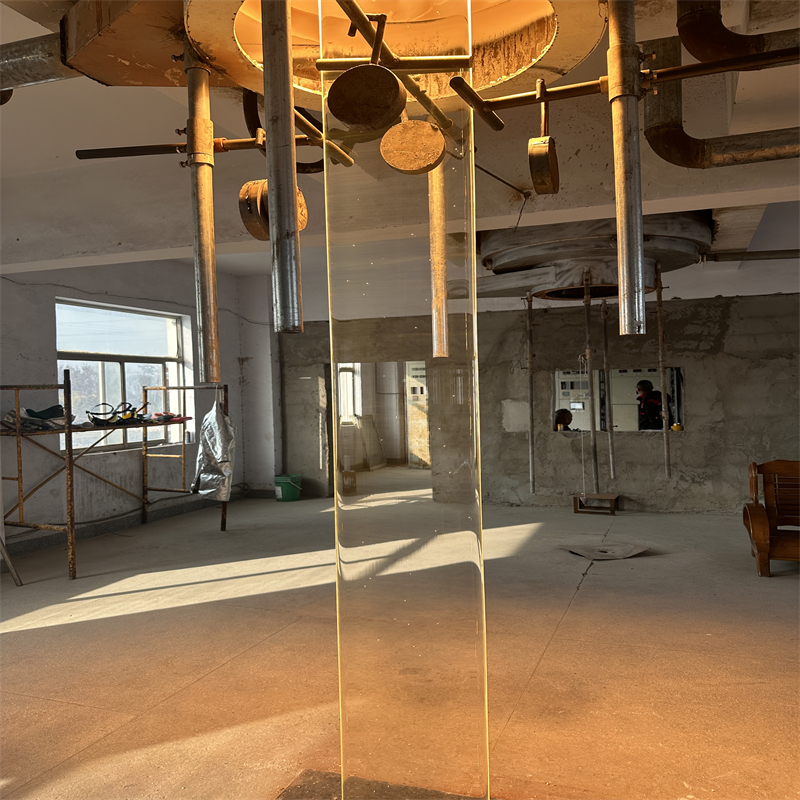
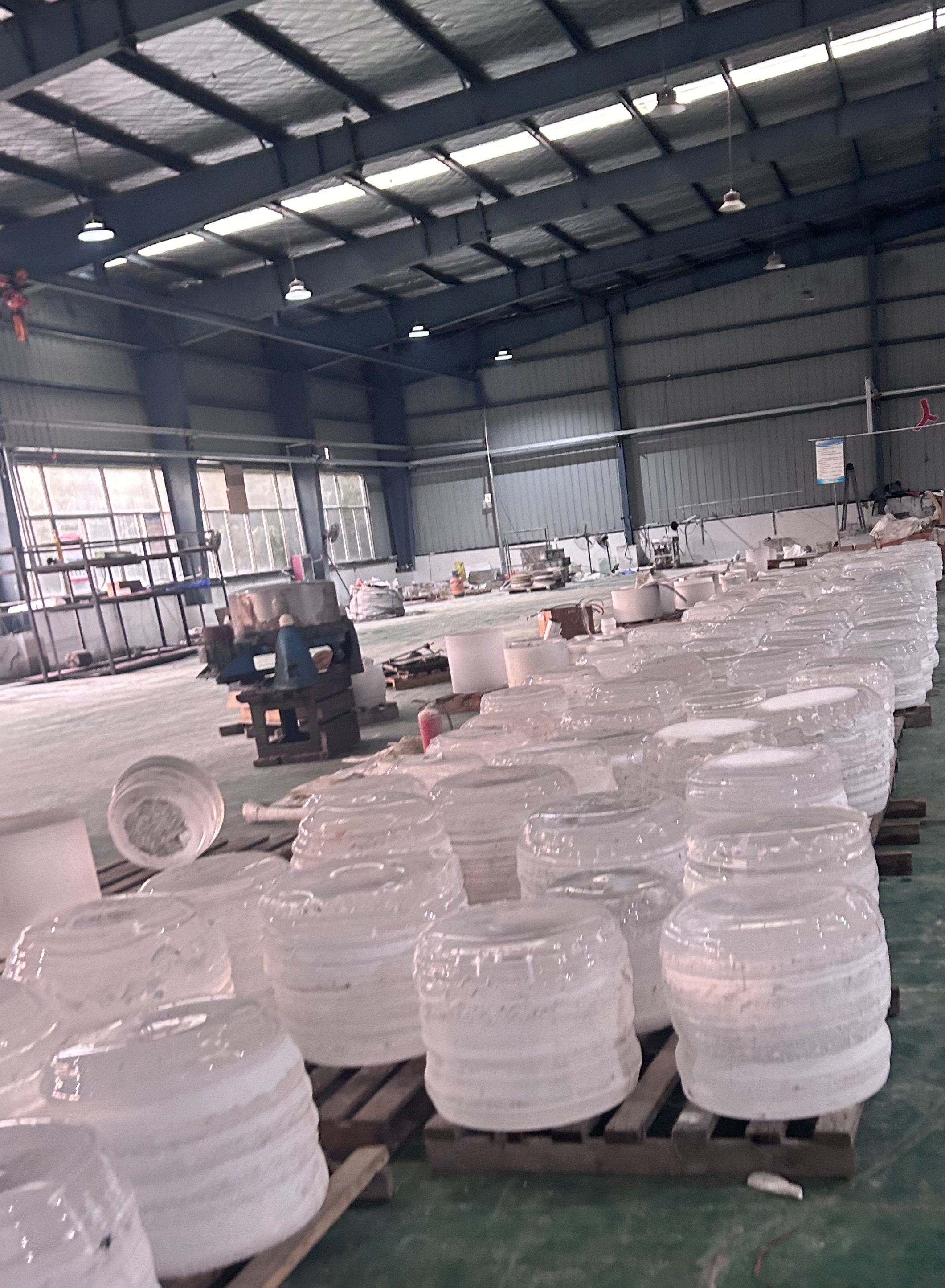
Lianyungang Zelvo Quartz: Precision Factory Infrastructure
Direct from Donghai County, Jiangsu—the globally recognized Crystal Capital of China—bringing deep scientific quartz processing to commercial heating export markets.
Raw Material Purity
Synthesized from high-grade natural silica quartz sand with purity ≥ 99.99% SiO₂. Inspected for micro-bubbles, air lines, and iron oxide inclusions to guarantee complete thermal transparency and zero structural crystallization under high gas heat.
Laser & Flame Polishing
Precision CNC diamond cutting ensures parallel, chip-free end faces. Edge zones undergo oxyhydrogen flame glazing to eliminate micro-fractures, maximizing mechanical resistance against vibration and mounting collar pressure.
Drop-Proof Balkan Crating
Engineered for long-haul intermodal transit to Sarajevo. Each glass tube is encapsulated in high-density custom EPE foam sleeves, nested inside triple-wall corrugated cartons, and crated in fumigated solid plywood cases with zero shift.
≤ 2h Technical Response
Our engineering sales desk reviews custom drawings, CAD dimensions, and dimensional compatibility requests within 2 hours. We support 1-piece sample verification alongside multi-pallet consolidated freight orders.

Sarajevo Buyer Frequently Asked Questions
Key commercial, technical, customs, and operational details for facilities managers, restaurant operators, and HVAC wholesalers in Bosnia and Herzegovina.
What are the standard dimensions for patio heater replacement glass tubes in Sarajevo restaurants?
How does fused quartz survive the extreme freeze-thaw cycles of Sarajevo's winters?
What are the shipping routes, lead times, and customs procedures for delivery into Bosnia and Herzegovina?
Can we order small quantities or individual trial samples before committing to a full container?
How do facility managers measure their broken tube if the original glass is completely shattered?
Why do local replacement tubes purchased from generic retail shops in Sarajevo cloud up or crack after a few months?
Equip Your Sarajevo Hospitality Venues with Zero-Defect Quartz Tubes
Request factory-direct technical drawings, volume export quotations, and fast-track courier delivery for standard and custom patio heater glass replacements. Trusted by commercial distributors, hotels, and cafes across the Balkan region.
Get Catalog